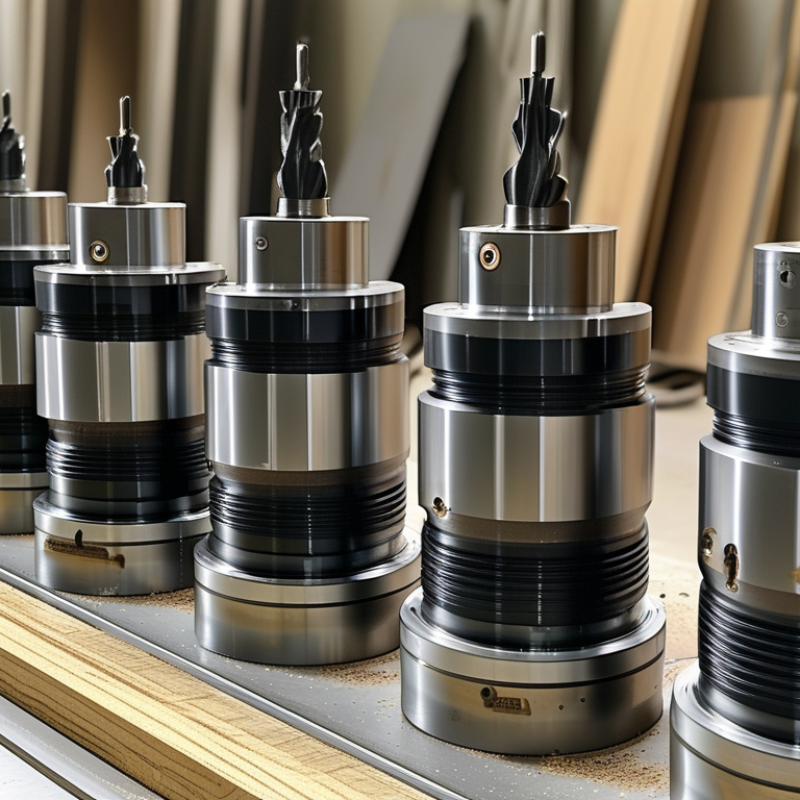
2026 Best Spindle Motor Shaft Buying Guide and Tips?
When searching for the ideal Spindle Motor Shaft, it's vital to analyze various factors. The spindle motor shaft is crucial in applications like CNC machining and woodworking. A poor choice can lead to inefficiency and increased wear.
Choosing the correct spindle motor shaft involves understanding specifications that align with your needs. Factors such as material type, length, and diameter can significantly affect performance. Each application may demand different qualities, which makes this decision complex.
Quality matters when selecting a spindle motor shaft. Look for options that come from reputable manufacturers. Reviews and expert recommendations can guide your choice. Remember that investing time in research pays off. A thoughtful selection avoids potential future frustrations.
Factors to Consider When Choosing a Spindle Motor Shaft
When selecting a spindle motor shaft, several key factors significantly impact performance. Material type is crucial. High-grade steel or aluminum alloys offer strength and durability. Reports suggest that using enhanced materials can increase shaft life by up to 30%.
Precision in dimensions is equally important. Misaligned shafts can introduce vibrations. These vibrations lead to wear and reduce efficiency. Industry data highlights that 70% of maintenance issues stem from vibration-related problems. Thus, focusing on the precision of manufacturing is critical.
Another factor to consider is the load capacity. The shaft must withstand varied loads without compromising function. Manufacturers must calculate torque requirements accurately. Underestimating can lead to failures or inefficiencies. A recent study found that 40% of spindle malfunctions were due to incorrect load specifications.
Selecting the right spindle motor shaft involves careful consideration. Balancing materials, precision, and load capacities may require trade-offs. In-depth analysis and testing are often necessary to ensure optimal results. Each decision can influence the overall performance and longevity of the spindle motor system.
Types of Spindle Motor Shafts Available in the Market
When selecting a spindle motor shaft, understanding the types available is crucial. The market features several varieties, each designed for specific applications. For example, high-speed spindle shafts are often employed in CNC machinery. These shafts typically operate at speeds of up to 60,000 RPM, making them ideal for precision machining tasks. According to industry reports, high-speed spindles can increase productivity by up to 20% due to their efficiency.
Another category is the heavy-duty spindle shaft, which supports greater loads. These shafts often find applications in milling and drilling machines. Heavy-duty spindles are designed to withstand harsh conditions and heavy wear, and they can considerably enhance machine longevity. Data suggests that adopting heavy-duty spindles can reduce maintenance costs by nearly 15%.
Finally, the flexibility of modular spindle shafts cannot be overlooked. They are versatile and interchangeable, allowing users to adapt their machines quickly to changing demands. Reports highlight that modular systems can enhance production versatility, but they sometimes require users to reassess compatibility with existing machinery. Understanding these diverse options allows for informed purchasing decisions in a rapidly evolving market.
How to Assess the Quality and Durability of Spindle Motor Shafts
When evaluating the quality of spindle motor shafts, consider several critical factors. Material composition is one of them. A robust shaft should be made from high-grade steel or a durable composite. These materials offer better resistance to wear and tear over time. Inspecting the surface finish is also vital. A smooth surface can reduce friction and enhance performance.
Durability is another essential aspect. Look for shafts that have been tested under various conditions. This includes high-speed operations and heavy load applications. Ask about the manufacturing processes. Precision machining can improve overall strength and longevity. Pay attention to any imperfections or irregularities in the shape; these can indicate potential weaknesses.
Performance metrics can provide insight, too. Check for any available data on vibration levels and thermal stability. Shafts that perform well under severe conditions are often a better investment. Ultimately, consider the warranty offered. A longer warranty often reflects a manufacturer's confidence in their product's durability. Product reviews can also highlight potential issues, helping you make an informed choice.
Tips for Maintaining and Extending the Life of Your Spindle Motor Shaft
Spindle motor shafts are essential components in various machines. Proper maintenance is crucial for their longevity. According to industry reports, regular checks can lead to a 50% increase in lifespan. This is significant for ensuring machine efficiency and reducing downtime.
One vital tip for maintaining your spindle motor shaft is to regularly inspect it for wear and tear. Pay attention to any unusual vibrations or sounds while the machine is in operation. A 2021 study noted that 30% of spindle failures were due to poor lubrication. Ensure you’re using the correct type of lubricant, as this can significantly impact performance.
Another aspect to consider is the cleanliness of your working environment. Dust and debris can accumulate and affect the alignment and balance of the spindle. Keeping the area clean can prevent unforeseen complications. Regular cleaning can also help detect potential issues early, reducing costly repairs later on. Remember, neglecting these simple measures might lead to bigger problems down the road.
Top Brands and Manufacturers of Spindle Motor Shafts to Consider
When selecting spindle motor shafts, considering reputable brands is vital. Quality impacts performance and longevity. Some leading manufacturers offer innovative technologies that enhance efficiency. These brands often prioritize precision engineering, ensuring optimal balance and reduced vibrations. Look for options that allow easy maintenance and replacements.
It’s essential to explore user reviews and expert opinions. However, not all top-rated products meet expectations. Some users report compatibility issues or unexpected performance drops. It's also wise to consider the specific requirements of your equipment. Not every brand suits every application, and failure to research can lead to subpar results.
Focusing on reputable manufacturers often yields better outcomes. However, the latest features might not always justify a higher price. It's a balance of cost versus performance. Be cautious about claims that sound too good to be true. Always seek practical insights and real-world applications to guide your decision-making.