
Best Airport Fence Options for Ultimate Security Solutions?

Securing an airport is a complex task that requires careful planning. One of the most critical elements of this security strategy is the airport fence. A robust airport fence acts as the first line of defense against unauthorized access. While many options exist, not all fences provide the same level of security.

Airports face unique challenges. They must balance security with accessibility. A strong airport fence should deter intruders while allowing safe passage for staff and authorized personnel. Different materials offer varied benefits. Some fences are designed to withstand physical attacks, while others focus on visibility and surveillance.

Choosing the right airport fence is not straightforward. Factors such as cost, durability, and maintenance must be considered. Some barriers may serve well but require significant upkeep. Others might be effective but lack aesthetic appeal. Ultimately, the best airport fence should combine security features with practical considerations to meet the specific needs of each airport.
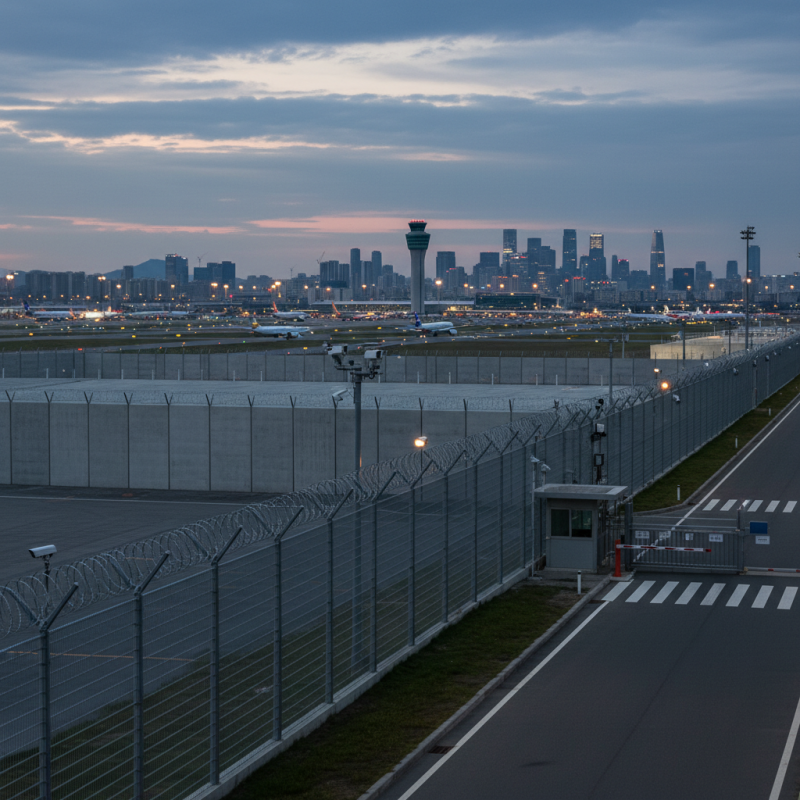
Best Airport Fence Options for Ultimate Security Solutions?

Top Characteristics of Effective Airport Fencing for Security

When it comes to airport security, effective fencing is crucial. High fences deter unauthorized access. They create a physical barrier, making it more challenging for intruders. Choosing materials like chain link or welded wire can enhance security. These materials can withstand various weather conditions. Visibility is essential, so add features that allow for clear sight lines.

A good airport fence should also be climb-resistant. This deters potential breaches. Additional layers of security like barbed wire may be necessary. It’s also important to consider the integration of technology. Surveillance cameras and motion sensors can augment physical barriers. These tools enhance security awareness.

However, installing a fence isn't a one-size-fits-all solution. Different airports face varying threats. Conducting a thorough risk assessment is vital. This can identify specific vulnerabilities. Additionally, maintenance is often overlooked. Regular checks ensure that the fence remains effective. Without proper upkeep, even the best fences can weaken over time.

Types of Materials Used in Airport Security Fences

When considering airport security fences, various materials play a crucial role in maximizing protection. Chain-link fencing is a popular choice. It's cost-effective and allows visibility while serving as a physical barrier. However, it may not deter individuals determined to breach security. Some airports opt for welded wire mesh. This option provides extra strength and is harder to cut, but installation can be complex.

Another alternative is electrified fencing. This type delivers a mild shock to intruders. It's highly effective but raises ethical concerns regarding safety. Some facilities choose reinforced concrete barriers for ultimate durability. These structures can withstand significant force but can be prohibitively expensive.

Combining materials is also an approach. For instance, a chain-link fence topped with barbed wire adds another layer of deterrence. Nonetheless, creating a secure yet welcoming environment requires careful design considerations. There are trade-offs between visibility, security levels, and community perceptions. Each material brings benefits and challenges that must be weighed thoroughly.

Best Airport Fence Options for Ultimate Security Solutions

Material Type Height (ft) Security Level Durability (Years) Cost ($ per foot)
Chain Link 6 Medium 15 10
Welded Wire 8 High 20 15
Electric Fencing 10 Very High 10 25
Concrete Wall 12 Very High 50 30
Barbed Wire 5 Medium 10 5

Design Considerations for Enhancing Airport Perimeter Security

Designing effective airport perimeter security is crucial. Fences play a vital role in maintaining safety and controlling access. Various materials and heights can deter unauthorized entry. Chain-link fences are common, yet their visibility might pose a risk. Adding barbed wire can enhance security, but it may require maintenance.

Natural barriers also offer unique benefits. Dense vegetation or berms can blend with the environment. They restrict visibility while providing a natural deterrent. However, regular upkeep is needed to prevent overgrowth. Thoughtful placement of surveillance cameras is essential as well. They should cover blind spots without compromising aesthetics.

Light plays a key role, too. Proper illumination enhances visibility during night hours, deterring potential intruders. Though bright lights can disturb nearby wildlife or residents. Balancing security needs and environmental impact is challenging. Each decision in design affects the overall security strategy. Potential weaknesses must be addressed to ensure effectiveness.

Integration of Technology in Airport Fence Solutions

In recent years, airports have increasingly focused on enhancing security measures. Fencing has become a crucial aspect of this strategy. The integration of technology into airport fence solutions offers exciting possibilities. High-tech fencing systems can detect intruders and monitor perimeters continuously.

Sensors embedded in fences can alert security personnel to any breaches. These systems provide real-time surveillance data. Video analytics optimize response times by analyzing movement patterns. However, technology has its flaws. False alarms can disrupt operations and create confusion among staff.

Additionally, not all airports can afford advanced technologies. Budget constraints often limit the implementation of these systems. Airports must find a balance between cost and security. A solid fence combined with smart monitoring is essential. Regular assessment of technology and fencing effectiveness is necessary to maintain security.

Best Airport Fence Options for Ultimate Security Solutions

Regulatory Standards and Compliance for Airport Fencing Systems

When it comes to airport fencing systems, regulatory standards play a crucial role. Airports must comply with the Transportation Security Administration (TSA) guidelines, which outline specific security measures. According to the DHS, 27% of airports report being uncertain about compliance. This uncertainty can lead to vulnerabilities. Fencing is not just about barriers; it's about integrating technology and materials that meet these standards.

The Federal Aviation Administration (FAA) requires specific heights and designs for airport fences. The recommended minimum height is typically 8 feet. Yet, many airports overlook the importance of design. Simple chain-link fences might not deter determined intruders. In fact, reports indicate that 40% of security breaches occur at weak points in fencing. It is crucial for airports to assess their unique risks. The integration of access control systems can enhance security beyond basic fencing.

Regular audits help address gaps in compliance. Yet, only 55% of airports perform these audits routinely. This highlights a gap in accountability. Airports that invest in comprehensive security solutions can significantly reduce risks. Failing to prioritize these measures can lead to serious consequences. The need for vigilant oversight is evident. Clear communication between security professionals can enhance overall effectiveness.

Article Source: