Best Gate Valve Types for Your Global Sourcing Needs?
When selecting the best Gate Valve for global sourcing needs, various types are available. These valves play a crucial role in controlling fluid flow in many industries. A gate valve is designed to provide a straight-line flow path and minimal resistance. This design feature allows for efficient operation in pipelines.
Different types of gate valves offer unique benefits. For example, rising stem gate valves are ideal for applications requiring clear visual indication of valve position. Non-rising stem valves, on the other hand, are compact and suitable for limited space. Each type has its specifications, which can influence performance and reliability.
Understanding gate valve materials is also vital. Choices include stainless steel, cast iron, and PVC. Each material serves specific purposes and environments. Be mindful of the application requirements. Consider pressure ratings and temperature ranges. The decision-making process can be complex. However, the right valve ensures dependable performance and longevity in any system.
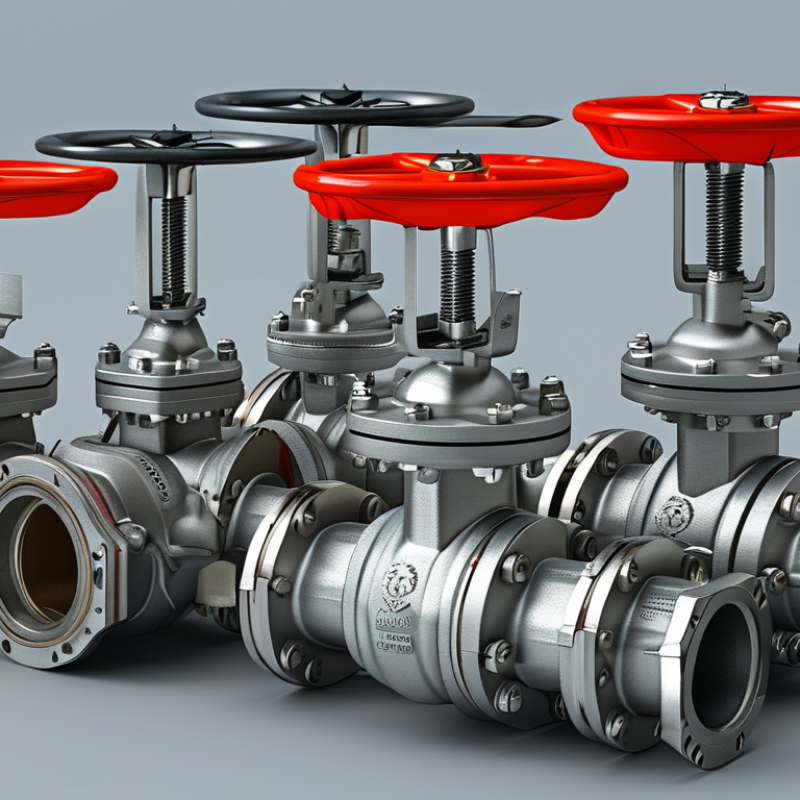
Understanding Gate Valve Types and Their Applications
Gate valves are essential components in various industries, used to control the flow of liquids and gases. Understanding different types of gate valves is crucial for effective global sourcing. There are several types, including metal-seated and resilient-seated gate valves. The metal-seated valves are preferred in high-pressure applications, while resilient-seated options are suitable for lower pressure settings.
Choosing the right type involves considering materials and operating conditions. For example, cast iron valves work well in water applications. Stainless steel may be necessary for corrosive environments. The details matter. Sourcing reliable gate valves requires awareness of these nuances. Poor material choices can lead to failures and costly repairs.
Not all manufacturers have the same quality assurance measures. Gaps in standards can result in inconsistent performance. It's essential to vet suppliers thoroughly. This process can be challenging but is critical to ensuring reliability. Investing time in research can prevent future issues. Quality gate valves will perform as expected, but acquiring them requires diligence in sourcing.
Key Features to Consider When Sourcing Gate Valves
When sourcing gate valves, understanding their key features is essential. This ensures that the selected valves meet your operational requirements and performance standards. A report by the International Society for Automation highlights the significance of material selection. The material impacts durability and resistance to corrosive environments. Options like stainless steel and cast iron are popular, but each material has unique characteristics that can influence their applications.
Moreover, the design plays a crucial role in efficiency. Features such as pressure rating and size should not be overlooked. Generally, gate valves come in sizes ranging from 0.5 inches to 36 inches. Choosing the right size impacts flow rate and pressure loss. Additionally, a valve's pressure rating ensures it can handle the operational conditions without failure. A study from the American Society of Mechanical Engineers indicates that mismatched specifications can lead to costly repairs and downtime.
Another often-missed detail is the type of actuator used. Manual, electric, or pneumatic actuators each provide different levels of control and responsiveness. Understanding the operational context will help in selecting the appropriate actuator. Mistakes in this area can lead to inefficiencies and added complexities in maintenance. Thus, evaluating these features carefully can lead to better sourcing decisions and improved system performance.
Best Gate Valve Types for Your Global Sourcing Needs
Comparative Analysis of Metal vs. Non-Metal Gate Valves
When sourcing gate valves, the choice between metal and non-metal types greatly impacts performance. Metal gate valves are commonly used in high-pressure applications due to their durability and strength. They are typically crafted from materials like stainless steel, which enhances their ability to withstand extreme temperatures. Yet, their rigidity can lead to issues like corrosion over time. Regular inspections are essential to ensure their longevity.
Non-metal gate valves, often made of plastic or composite materials, have become increasingly popular in specific applications. They offer excellent resistance to corrosion and are lightweight, making installation easier. However, they may not handle high pressures as effectively as their metal counterparts. This can limit their use in certain settings. Assessing the specific requirements of your application is crucial before making a decision.
Tips: When considering gate valves, reflect on the operating environment. Temperature and pressure can determine the best material for your needs. Always consult with a specialist to evaluate the best-fit options. Furthermore, consider the long-term maintenance needs associated with each type. A well-informed choice can save costs and enhance reliability.
Best Gate Valve Types for Your Global Sourcing Needs? - Comparative Analysis of Metal vs. Non-Metal Gate Valves
| Valve Type | Material | Temperature Range (°C) | Pressure Rating (MPa) | Applications |
| Metal Gate Valve | Stainless Steel | -50 to 400 | 1.6 - 42.0 | Oil, Gas, Water |
| Non-Metal Gate Valve | PVC | 0 to 60 | 0.5 - 1.0 | Water Treatment, Chemical Processing |
| Metal Gate Valve | Ductile Iron | -10 to 150 | 0.6 - 2.5 | Water Supply, HVAC |
| Non-Metal Gate Valve | Rubber | 0 to 80 | 0.4 - 0.6 | Food Processing, Pharmaceutical |
Global Sourcing Strategies for High-Quality Gate Valves
When sourcing gate valves globally, understanding different types and their applications is crucial. The global market for valves is projected to reach USD 98.1 billion by 2025, driven by the demand in oil, gas, and water sectors. High-quality gate valves play a significant role in these industries, offering reliable flow control and minimal leakage. However, quality can vary widely based on geographical sourcing.
Various gate valve types include rising-stem and non-rising-stem options. Rising-stem valves are often preferred in spaces where vertical clearance is available. They provide clear visibility of the valve position. Non-rising-stem valves, on the other hand, are ideal in confined spaces. They often face challenges with sealing and longevity. According to a recent industry report, proper sealing mechanisms increase the lifespan of these valves by up to 30%. Yet, many manufacturers overlook this factor in their designs.
Sourcing high-quality gate valves requires careful consideration of suppliers. Data from market analysis reveals that approximately 40% of valve failures result from poor manufacturing practices. Focusing on suppliers with proven track records and certifications is essential. A thorough vetting process can help mitigate risks and enhance reliability. A well-chosen supplier can yield not just cost savings but also ensure operational efficiency.
Regulatory Standards Impacting Gate Valve Selection and Sourcing
When sourcing gate valves, regulatory standards play a crucial role. These standards ensure safety, quality, and performance. Different industries may adhere to distinct regulations. Understanding these variations is essential for international sourcing.
For example, the American Society of Mechanical Engineers (ASME) sets guidelines that impact valve materials and design. Compliance with these standards can dictate the valve's lifespan and reliability. Similarly, the European Union has its directives. Incorrect adherence may lead to penalties or product failures.
Manufacturers often face challenges in aligning their products with these regulations. It requires constant monitoring and updates. Not every supplier has the same understanding of these standards. This discrepancy can affect sourcing decisions. It’s vital to communicate expectations clearly. Establishing relationships with knowledgeable suppliers reduces the risk of non-compliance.