Best Photovoltaic Connectors for Efficient Solar Energy Systems?
In the realm of renewable energy, Photovoltaic connectors play a pivotal role in solar energy systems. According to Dr. Sarah Lentz, an expert in solar technology, "Quality connectors are vital for maximizing efficiency in solar installations." This statement underlines the significant impact of these components on overall system performance.
Photovoltaic connectors are not merely functional parts; they ensure reliability and safety in solar installations. A poorly chosen connector can lead to energy loss and safety hazards. Many overlook the importance of these components, focusing only on solar panels. However, connectors translate the generated energy into usable power.
Choosing the right photovoltaic connectors requires careful consideration. Factors include durability, compliance with industry standards, and resistance to environmental stresses. As the solar industry grows, ensuring connector quality becomes paramount. However, many practitioners still struggle to make informed choices, leading to inefficiencies in solar energy systems. Reflecting on this, the need for expert guidance is evident in optimizing photovoltaic connector selection.
Types of Photovoltaic Connectors Used in Solar Energy Systems
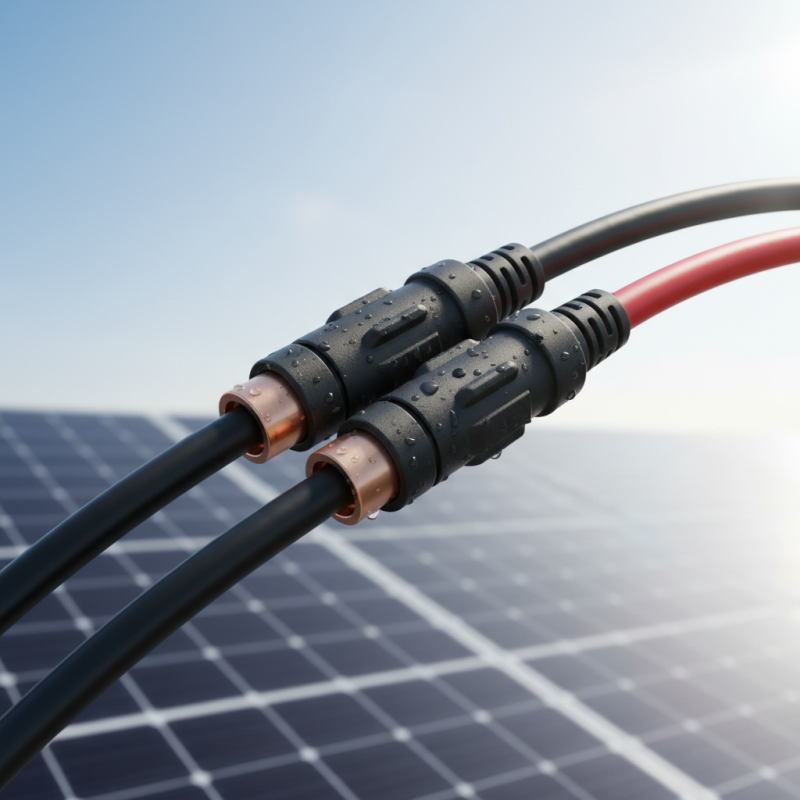
Photovoltaic connectors are essential components in solar energy systems. They ensure reliable electrical connections between solar panels and other system parts. The choice of connectors affects the efficiency and longevity of these systems. Various types, including MC4, H4, and Tyco connectors, are commonly used in solar installations. Each type has its unique features and specifications.
MC4 connectors are the industry standard. They are recognized for their weather resistance and ease of use. Reports show that about 80% of newly installed solar systems in recent years have utilized MC4 connectors due to their durability. H4 connectors, while less common, offer flexibility in wiring configurations. They are also known for robust performance in different climate conditions.
Tip: Always verify connector compatibility with your specific solar panel specifications to avoid connection issues. Ensure connections are waterproof to prevent malfunction.
Another component worth mentioning is the junction box connector. This is often overlooked but plays a crucial role. It helps in the safe management of cables and connections. Research indicates that improper junction box connections can lead to significant energy loss. Detailed installation guidelines can help mitigate this risk.
Tip: Regular inspections of connectors can help identify potential wear and tear. This proactive approach can enhance system efficiency over time.
Factors to Consider When Choosing Photovoltaic Connectors
Choosing the right photovoltaic connectors is essential for optimal solar energy efficiency. When evaluating connectors, consider factors like temperature rating and material quality. A study by the National Renewable Energy Laboratory (NREL) indicates that connectors with a higher temperature tolerance can enhance overall system performance.
Another crucial factor is the connector's waterproof rating. Many systems are exposed to harsh weather, making durability paramount. Research shows that connectors with IP67 ratings can prevent moisture ingress, thus prolonging system lifespan. Failing to address these aspects could lead to failures over time, leading to significant performance losses.
It's also essential to evaluate the ease of installation. Some connectors have complex designs that can slow down the process, increasing labor costs. The Solar Energy Industries Association (SEIA) reported that inefficient installations can reduce energy harvesting by up to 10%. Balancing efficiency and usability is key. Often, the best choice involves compromise, as not every option will excel in all areas.
Comparison of Popular Photovoltaic Connector Brands
When considering photovoltaic connectors, brand choice can significantly affect solar energy efficiency. The market offers various options, each with unique features. Some connectors excel in durability, while others prioritize ease of installation. You might hear claims of superior performance, but real-world results can differ.
Popular brands vary in design and functionality. Some connectors feature locking mechanisms that secure connections against environmental factors. Others might be lighter but risk accidental disconnections. Additionally, waterproof capabilities are crucial. However, not all manufacturers disclose testing methods. Without clear data, evaluating quality becomes challenging.
Furthermore, price does not always reflect performance. A more expensive connector may not outperform a cheaper counterpart. Users often find themselves drawn to familiar names, but exploring lesser-known alternatives could yield surprising results. The balance between cost and efficiency requires careful consideration. In this complex landscape, making informed choices presents a challenge that invites reflection and discussion.
Installation and Maintenance of Photovoltaic Connectors
Proper installation of photovoltaic connectors is crucial for efficient solar energy systems. When connecting solar panels, ensure all terminals are clean and dry. Dust or moisture can create resistance, leading to energy loss. Use appropriate tools for securing connectors, but avoid over-tightening them. This can damage the components and reduce their lifespan.
Regular maintenance is also essential. Inspect connections for corrosion or wear, especially in outdoor setups. A visual check every few months can prevent major issues down the line. In some cases, connectors might need replacement after harsh weather. Make it a habit to monitor the performance of the system. If energy output drops unexpectedly, it may indicate a connection issue.
Remember that even minor mistakes can have significant consequences. Take the time to educate yourself about best practices in installation and upkeep. Learning from past errors can lead to better outcomes in future projects. Consider consulting guides or asking for advice when in doubt. Every step counts in maximizing the efficiency of your solar energy system.
Best Photovoltaic Connectors for Efficient Solar Energy Systems
Future Trends in Photovoltaic Connector Technology
Photovoltaic connector technology has evolved significantly. New materials are now being used to enhance performance and durability. According to a recent industry report, innovations in connector design can increase energy efficiency by up to 5%. This improvement can lead to lower overall costs for solar energy systems.
Manufacturers are focusing on more robust connections resistant to harsh weather. For instance, the trend towards encapsulated connectors helps prevent moisture ingress, which can degrade performance. Enhanced thermal management in connectors is also becoming vital. Improved thermal conductivity may extend the lifespan of these components, meeting the rising demand for reliable solar solutions.
Tips: Always check certifications when choosing connectors. They should comply with international standards. Keep an eye on new developments in connector designs. Many advancements focus on improving safety and reliability. As technology progresses, staying updated will benefit both efficiency and installation practices.
Best Photovoltaic Connectors for Efficient Solar Energy Systems
| Connector Type | Current Rating (Amps) | Voltage Rating (Volts) | Temperature Range (°C) | Material | Compatibility |
| MC4 | 30 | 1000 | -40 to +85 | Thermoplastic | PV modules and inverters |
| Tyco PV Connectors | 20 | 600 | -40 to +85 | Plastic | Modules and combiner boxes |
| H4 Connectors | 40 | 1500 | -40 to +85 | PVC | Bifacial and standard modules |
| Amphenol Connectors | 30 | 1000 | -40 to +90 | Thermoplastic | Inverters and modules |