Best Portable Power Stations for Your Outdoor Adventures?
Embarking on outdoor adventures requires careful planning. One crucial element is ensuring you have a reliable power source. Portable Power Stations can be a game changer for many outdoor enthusiasts. They provide the electricity needed for devices, lights, and even small appliances. Whether you're camping, hiking, or tailgating, having a dependable power solution enhances your experience.
When choosing Portable Power Stations, it's vital to consider several factors. Battery capacity, weight, and charging options play significant roles. Some models come with solar panels, making them an eco-friendly choice. However, not all models live up to the hype. Users need to research and evaluate their specific power needs. It's easy to get lost in specs and reviews. You might find yourself overwhelmed by options.
Ultimately, the right Portable Power Station can elevate your outdoor adventures. It offers convenience and comfort in remote locations. Yet, every choice carries risks. What happens if your power station fails when you need it most? Addressing these concerns will guide you to make informed decisions for your next trip.
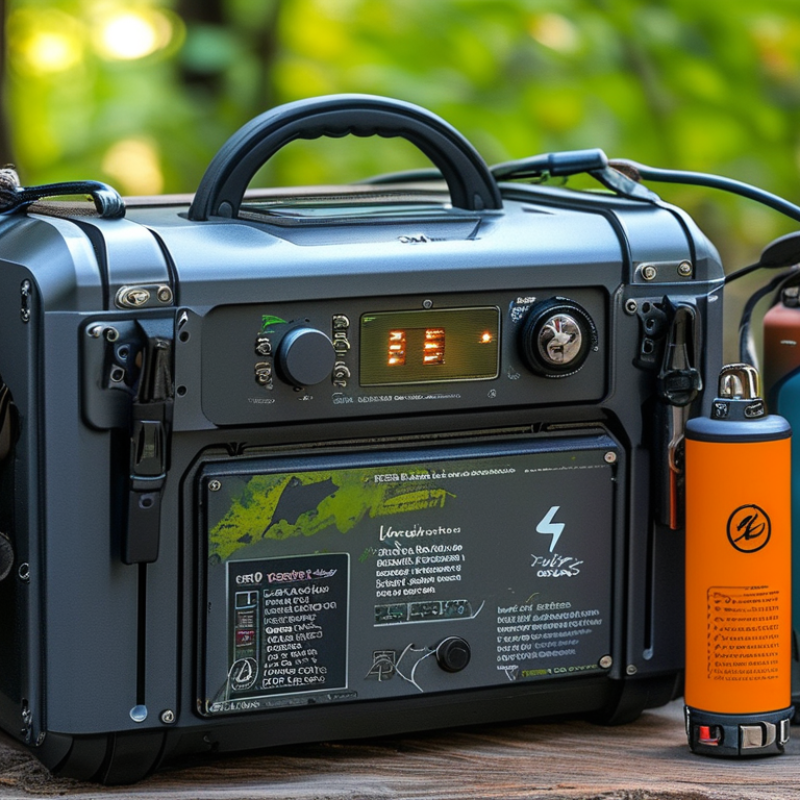
The Importance of Portable Power Stations for Outdoor Activities
Portable power stations have become essential for outdoor activities. These devices offer reliable energy sources for campers, hikers, and outdoor enthusiasts. Without electricity, you may struggle to charge your devices or operate small appliances. This can ruin your experience and leave you unprepared for emergencies.
Being in nature often means going off the grid. However, staying connected is crucial. Portable power stations ensure you can maintain communication and navigate with GPS. Plus, they keep your gear powered up, whether it's a portable cooler or a lighting system. Imagine a scenario where you’re miles away from the nearest town, and your phone is dying. It brings an element of stress, doesn’t it?
In choosing the right power station, careful consideration is vital. Look for options that are lightweight yet powerful. User reviews can help gauge reliability. Sometimes, devices may fall short of expectations despite a good reputation. Test the power station before your trip. It’s better to know its limitations beforehand, instead of facing a power shortage in the wilderness. Balancing convenience and needs is crucial for a hassle-free outdoor adventure.
Key Features to Consider When Choosing a Portable Power Station
When choosing a portable power station, several key features require consideration. Battery capacity is vital. Many users prefer units with at least 500Wh for prolonged outdoor trips. This capacity ensures compatibility with devices like laptops and mini-refrigerators. Additionally, look for inverter output. Stations should range between 300W to 600W. This range accommodates most outdoor gear, ensuring that you remain powered.
Portability matters too. Weighing less than 50 pounds is ideal for hikers and campers. Compact designs allow for easier transport during adventures. You’ll want to ensure that the model fits well in your vehicle or backpack. Another essential feature includes multiple output ports. Having several options, such as USB-C and AC outlets, enhances versatility. A recent market report indicates that about 70% of outdoor enthusiasts prioritize versatile charging options.
Finally, consider the charging time. Some models take longer to recharge, especially solar variants. While solar is eco-friendly, they can lack immediate power during emergencies. Reflecting on these factors highlights the trade-offs in choosing the best model for your needs. The decision isn't just about which power station looks good; it’s about what fits your adventure style.
Top Brands in Portable Power Stations: Performance and Reliability
When choosing a portable power station, performance and reliability are crucial. Many brands offer various features, but user experiences vary. A reliable unit should provide consistent power during outdoor adventures. Factors like battery capacity and output wattage should align with your needs.
Consider the different types available. Some units excel in compactness while others focus on extended battery life. Users often face challenges with efficiency under high demand. Investigating real-life testimonies will help understand how each brand handles these scenarios. Power stations must endure environmental factors like humidity and temperature changes. Researching real-world usage can highlight durability strengths and weaknesses.
Additionally, warranty options can indicate a brand’s confidence in their product. Some brands offer extensive coverage while others fall short. Asking fellow outdoor enthusiasts for their recommendations may reveal insights that marketing lacks. Be prepared to weigh the pros and cons based on your adventure plans. Every outdoor setup is unique, so choosing the right portable power station requires careful thought.
Best Portable Power Stations for Your Outdoor Adventures
| Model | Battery Capacity (Wh) | Output Ports | Weight (lbs) | Charging Time (hrs) |
| Model A | 500 | 2 USB, 1 AC, 1 DC | 15 | 8 |
| Model B | 600 | 3 USB, 2 AC | 20 | 10 |
| Model C | 300 | 1 USB, 1 AC | 10 | 5 |
| Model D | 1000 | 4 USB, 2 AC, 1 DC | 25 | 12 |
| Model E | 800 | 3 USB, 1 AC | 18 | 9 |
Market Trends: Growth of the Portable Power Station Industry
The portable power station industry is witnessing significant growth, driven by the increased demand for outdoor adventures and off-grid living. More enthusiasts are venturing into nature, which increases the need for reliable power sources. Camping, hiking, and tailgating activities thrive when companions can charge devices like smartphones, cameras, and lights.
Many users expect lightweight yet powerful options. The current trend indicates a shift towards solar-compatible models. These stations allow easier access to renewable energy. Yet, not all models deliver effective performance in diverse weather conditions. Some users experience disappointment with charging speeds and battery life.
Moreover, safety remains a concern. Reports of overheating and malfunctions surface occasionally. It is essential for consumers to research and read reviews before making a purchase. While the market offers innovative solutions, ensuring reliability and efficiency is crucial. Understanding these nuances can help users make informed decisions, enhancing their outdoor experiences.
Comparative Analysis: Lithium-Ion vs. Lead-Acid Batteries in Power Stations
When choosing a power station for outdoor adventures, battery type is crucial. Lithium-ion batteries are lightweight and have a high energy density. In contrast, lead-acid batteries are heavier and bulkier. According to a report by the National Renewable Energy Laboratory, lithium-ion batteries can deliver up to 3000 cycles. This longevity makes them ideal for frequent use in camping or other outdoor activities.
On the other hand, lead-acid batteries are often cheaper upfront. However, their lifespan averages only about 500 cycles. This leads to higher replacement costs over time. Additionally, lithium-ion options typically charge faster, often reaching full capacity within a few hours. In contrast, lead-acid batteries may take an entire day to recharge fully.
Weight and size can impact packing. For example, a lithium-ion power station weighing 20 pounds can match the output of a lead-acid model that weighs 50 pounds. However, both types have their drawbacks. Lead-acid batteries struggle in cold conditions, losing efficiency. Lithium-ion batteries can be sensitive to temperature extremes as well. Each type has its pros and cons for different users. Careful consideration of their specific needs is essential.