
For over 50 years, we have dedicated ourselves to providing Industry with best in class wire management solutions and to helping solve mission critical issues.

The needs of today’s schools and universities are changing fast. When it comes to anticipating and meeting those needs, MonoSystems is in a class of its own.

For the past five decades, we’ve made it our business to offer more value to our partners, which in turn provides greater value to their customers.
Choosing a Power Distribution Transformer manufacturer is a practical decision, not just a brand comparison. The right unit must match the network, site conditions, and expected load. A substation serving a growing industrial park may need different specifications from a rural feeder exposed to heat and dust.
This guide introduces ten manufacturers with a worldwide presence and considers the factors buyers commonly weigh: product range, engineering experience, quality systems, service support, and documented performance. Specific details matter. Compare rated capacity, voltage class, insulation, cooling method, loss figures, tap settings, and enclosure requirements. Also ask about testing records, spare-parts availability, and realistic delivery times. A polished brochure helps, but it cannot replace a current datasheet or a clear technical discussion.
There is no universal winner. A supplier with broad international reach may not offer the best local service, while a smaller regional manufacturer may understand site conditions better. Standards and project requirements also vary, so confirm each model’s certifications and specifications for the intended installation. Even a strong shortlist can miss factors such as maintenance access or unusual ambient temperatures. That deserves a second look. The manufacturers featured here provide a starting point, not a substitute for engineering review. Compare evidence carefully, verify claims directly, and judge each option against the project’s actual operating needs.
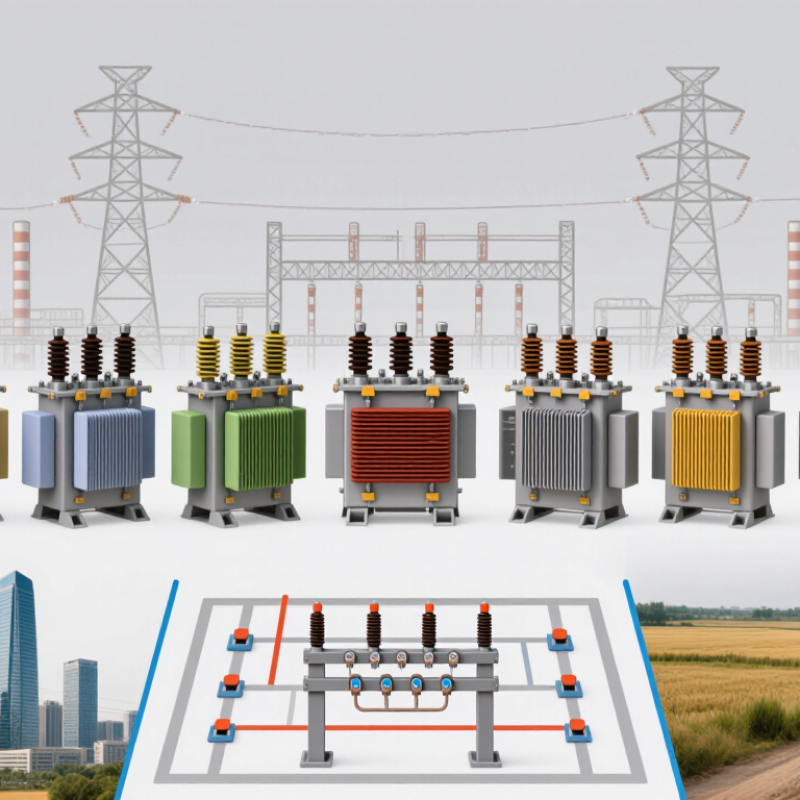
A distribution transformer is the final voltage step before electricity reaches homes, shops, and small factories. It lowers medium-voltage power to levels used by local networks, while helping maintain a stable supply as demand changes. Picture a street cabinet feeding several buildings: evening cooking, heating, and vehicle charging can all raise its load. Small, but critical.
The International Energy Agency’s Electricity Grids and Secure Energy Transitions report (2023) estimates that 80 million kilometres of grids must be added or refurbished by 2040. It also says annual grid investment needs to exceed US$600 billion by 2030, more than twice recent levels.
These are grid-wide figures, not transformer forecasts, but they show the scale of network renewal surrounding distribution equipment. For engineers, the practical questions include rated capacity, cooling, insulation, efficiency, and expected load growth. A unit selected only for today’s demand may leave little room for tomorrow’s electrification. Yet oversizing is not automatically better: it can add cost and increase no-load losses. Real operating conditions matter, and forecasts can be wrong.
Comparing global transformer manufacturers starts with a like-for-like specification. Match rated power, voltage class, frequency, impedance, cooling method, and expected loading before comparing price or delivery. A 10 MVA unit designed for steady industrial demand is not directly comparable with one built for fluctuating renewable output. Check guaranteed no-load and load losses, temperature rise, sound levels, and insulation details against the project’s operating conditions. Numbers are not enough.
Efficiency claims need independent context. The U.S. Energy Information Administration estimates that transmission and distribution losses average about 5% of electricity supplied in the United States; this figure covers the wider network, not transformers alone. Ask manufacturers to provide test reports that separate transformer losses from other system losses. The International Energy Agency’s 2023 grids report says annual grid investment needs to rise from roughly $300 billion to more than $600 billion by 2030. That expansion makes production capacity and delivery commitments worth checking closely.
Review routine and type-test evidence against the applicable IEC 60076 requirements, then examine material traceability, quality controls, and field-service arrangements. Request references for installations with similar duty cycles, not just matching nameplate ratings. Compare warranty exclusions and spare-parts lead times, too. A polished factory audit can miss the reality of service response across a distant region. That is an uncomfortable gap, but buyers should score verified performance and support separately from sales promises.
A utility-focused manufacturer typically builds distribution transformers for substations and growing networks. Its designs prioritize dependable voltage regulation, manageable losses, and service access. An industrial specialist adapts units for factories, where motor starts and changing loads can stress equipment. A regional producer may understand local climate well, including dust, humidity, or long periods of heat. That matters. A high-volume maker often offers standardized units with shorter lead times, though unusual specifications can limit that advantage. A custom-design manufacturer works with engineers on dimensions, connections, and enclosure details. The process can take longer.
A renewable-energy supplier designs transformers for variable generation and frequent changes in operating conditions. A compact urban manufacturer focuses on smaller footprints and practical installation in crowded sites. A heavy-duty producer serves mines and other demanding locations, where maintenance access deserves close attention. An efficiency-focused company develops lower-loss designs and provides test data for comparison. A service-oriented manufacturer supports installation, troubleshooting, and replacement planning alongside equipment sales. Not always. Manufacturer profiles can blur: one company may cover several of these roles, while performance depends on the exact model and application. Compare verified test results, insulation and cooling options, warranty terms, and local service capacity. Specifications on paper do not reveal every field issue.
Power distribution transformer manufacturers serve utilities, factories, commercial buildings, and renewable-energy projects. Their product ranges often include oil-immersed units for outdoor substations and dry-type transformers for indoor installations. Ratings, voltage levels, cooling methods, and enclosure designs vary by application. A compact dry-type unit can suit a basement electrical room, while a larger oil-filled transformer may handle a utility feeder. The right choice depends on load, site conditions, maintenance access, and future expansion.
Technology matters beyond the nameplate. Modern designs may use improved core steels to reduce losses, temperature sensors for condition monitoring, and sealed tanks that limit moisture exposure. Some manufacturers specialize in high-efficiency distribution models; others focus on custom ratings, harsh environments, or renewable-energy connections. Testing should verify insulation performance, temperature rise, and noise levels. Still, no feature guarantees a perfect fit. Project assumptions can change, and a low-loss design may cost more upfront.
Tips: Compare total ownership costs, not just purchase prices. Check the specified load profile, ambient temperature, and installation space. Ask for test records and service requirements. Small details matter. A transformer sized only for today’s demand may become a constraint later.
Selected nominal voltage levels used in power networks worldwide, from distribution through high-voltage transmission.
These representative voltage levels provide context for transformer design across distribution and transmission networks. The voltage levels used in a specific system vary by country and grid.
Choosing a power distribution transformer manufacturer requires more than comparing quoted prices. The IEA’s 2023 report, Electricity Grids and Secure Energy Transitions, says annual grid investment must exceed USD 600 billion by 2030, nearly twice recent levels. That pressure makes factory capacity, delivery slots, and component sourcing worth checking before comparing quotes. Lead time matters.
Technical fit should be documented, not assumed. Check rated voltage, power, cooling method, impedance, temperature rise, and guaranteed losses against the actual load profile. Request test records aligned with IEC 60076, and clarify factory acceptance testing, warranty coverage, spare-parts availability, and commissioning support. A low bid can still be costly if efficiency or service falls short.
Tips: Request a sample test report, a written delivery schedule, and references for similar transformer ratings. Compare lifetime losses and service costs. Recheck footprint and lifting access; drawings can miss site realities.
A practical evaluation guide for comparing manufacturers without relying on brand names or unsupported rankings.
| No. | Evaluation Factor | What to Verify | Why It Matters |
|---|---|---|---|
| 1 | Applicable Standards | Confirm that the proposed design and documentation align with the standards specified for the project, such as the applicable parts of IEC 60076 or IEEE C57. Check the exact editions and any local requirements. | Standards define important design, testing, rating, and performance requirements. The correct standard depends on the project and jurisdiction. |
| 2 | Voltage and Rating Range | Check that the manufacturer can supply the required rated power, primary and secondary voltages, frequency, phase configuration, and tap arrangement. | The transformer must match the electrical system and expected load. A listed product range alone does not confirm suitability for a specific installation. |
| 3 | Efficiency and Loss Data | Request guaranteed no-load and load-loss values for the offered unit, along with the measurement basis and applicable efficiency requirements. | Transformer losses affect operating energy use throughout the equipment’s service life. Compare offers using consistent ratings and test conditions. |
| 4 | Cooling and Insulation Design | Review the proposed liquid-immersed or dry-type design, cooling method, insulation system, temperature-rise limits, and installation conditions. | Cooling and insulation choices influence operating limits, installation needs, maintenance, and suitability for indoor or outdoor environments. |
| 5 | Routine and Type Testing | Ask for the proposed test schedule, sample test reports, acceptance criteria, and confirmation of which tests are performed on each unit or design type. | Documented testing helps verify that the supplied transformer conforms to its specified design and contractual requirements. |
| 6 | Quality Management | Review the factory’s quality-control procedures, traceability records, inspection process, and any current quality-management certifications relevant to the manufacturing site. | A consistent quality system supports repeatable production and clear handling of inspections, nonconformities, and corrective actions. Certification does not replace product testing. |
| 7 | Environmental and Site Conditions | Specify ambient temperature, altitude, humidity, pollution, seismic conditions, enclosure requirements, and any applicable fire or noise limits; confirm the design addresses them. | Environmental conditions can affect insulation, cooling performance, enclosure selection, and the equipment’s suitability for the installation site. |
| 8 | Delivery and Project Support | Obtain a project-specific delivery schedule and clarify responsibilities for drawings, approvals, installation guidance, commissioning support, and technical queries. | Clear schedules and defined responsibilities reduce coordination gaps between the manufacturer, contractor, and project owner. |
| 9 | Warranty and Service | Review warranty duration, covered components, exclusions, claim procedures, spare-parts availability, and the process for obtaining service support. | Transparent service terms help the purchaser plan maintenance and understand support obligations after delivery. |
| 10 | Lifecycle Cost and Documentation | Compare purchase price alongside guaranteed losses, maintenance requirements, transport considerations, technical drawings, operation manuals, and final test records. | A complete evaluation considers operating and ownership costs, not only initial price, and provides the documents needed for safe operation and maintenance. |
Note: Requirements vary by application and location. Confirm project specifications, applicable regulations, and acceptance criteria with the responsible electrical engineer or authority having jurisdiction.