Best Steel Scaffolding for Sale What to Consider Before Buying?
When searching for steel scaffolding for sale, understanding key factors is vital. The global scaffolding market is projected to reach over $87 billion by 2027, indicating a robust demand. Quality scaffolding ensures safety, efficiency, and cost-effectiveness in construction projects.
Choosing the right steel scaffolding involves evaluating material strength, load capacity, and ease of assembly. A report by Research and Markets highlights that steel scaffolding is preferred for its durability, but many overlook weight considerations. Current buyers should also consider compliance with safety regulations. Ignoring this can lead to accidents and costly delays.
Investing in quality steel scaffolding is crucial for project success. However, decision-makers must reflect on the balance between price and quality. Skimping on safety can have serious implications, both legally and financially. As such, diligent research into the best options available is necessary for long-term benefits.
Factors to Consider When Choosing Steel Scaffolding
Selecting the right steel scaffolding is crucial for any construction project. Safety should always be a top priority. Ensure that the scaffolding meets safety standards. Look for features like guardrails and planking. These help provide stability and reduce accidents.
Consider the load capacity of the scaffolding. Each project has unique weight requirements. Calculate the weight of materials and workers that will use it. If in doubt, choose scaffolding with a higher load capacity. This extra margin can prevent potential failures.
Portability is another important factor. If your project site is dynamic, lightweight scaffolding can save time and effort. However, lightweight options might compromise durability. Balance these aspects based on your needs. Reflect on how often you will move the scaffolding. Ultimately, the best choice fits your specific project requirements.
Types of Steel Scaffolding Available on the Market
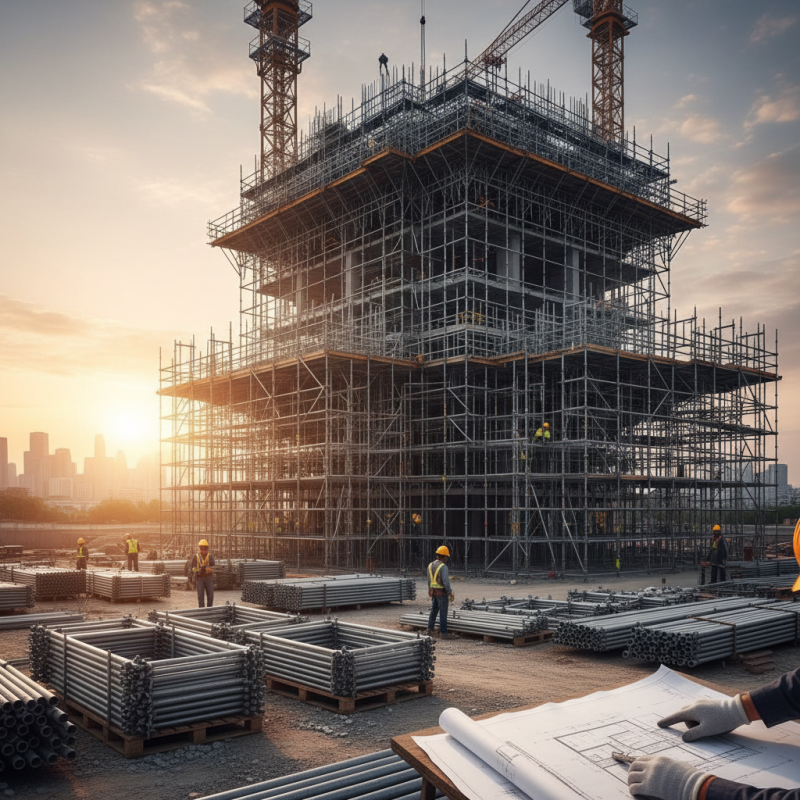
When exploring types of steel scaffolding, understanding your options is crucial. One common type is the frame scaffolding. It consists of vertical posts and horizontal braces. These frames provide a stable platform for workers. They are easy to assemble and disassemble, making them popular on job sites. However, if not installed correctly, they can pose safety risks.
Another option is the tube and clamp scaffolding. This type uses tubes and clamps to create a custom structure. It offers flexibility in design and is suitable for uneven surfaces. Workers can build unique shapes and heights. On the downside, this setup often requires more time and skills to erect properly.
Lastly, there are mobile scaffolds, which are portable and can be moved easily. These are great for tasks that require movement between locations. However, their stability can become an issue if not locked correctly. Investing in steel scaffolding means weighing these factors carefully before making a purchase.
Safety Standards and Regulations for Steel Scaffolding
When considering steel scaffolding, safety should be a top priority. Various standards and regulations govern its design and use. These guidelines ensure that the scaffolding can support the loads it carries. They also address worker safety during installation and use. Familiarity with these regulations is crucial for both buyers and users.
The Occupational Safety and Health Administration (OSHA) outlines specific safety standards for scaffolding. These include using durable materials and adhering to weight limits. Inspecting scaffolding regularly is vital. Any signs of wear or damage can lead to severe accidents. Workers must receive proper training on how to assemble and use scaffolding safely.
Moreover, local regulations might differ. It is essential to check with local authorities to ensure compliance. Some regions may have stricter rules. Ignoring these can lead to penalties or unsafe working conditions. Safety should never be compromised for cost or convenience. Making informed decisions about scaffolding can significantly reduce risks on the job site.
Cost Analysis: Budgeting for Steel Scaffolding Purchases
When considering the purchase of steel scaffolding, a comprehensive cost analysis is essential. The pricing can vary greatly based on factors like material quality, design complexity, and rental versus purchase options. Recent industry reports suggest that high-quality steel scaffolding costs approximately $1,000 to $3,000 per set. However, renting could save costs in projects that require short-term use, with prices averaging around $150 to $300 weekly.
Tips: Always calculate the total cost of ownership. Include maintenance, transport, and labor when budgeting. These additional costs can add 20-30% to the initial price.
Understanding your project duration and scope helps establish your budget effectively. For larger or more complex projects, investing in higher-quality scaffolding may reduce the risk of accidents. Injuries related to scaffolding account for 32% of falls in construction. Ensure that your chosen scaffolding meets safety standards to mitigate these risks.
Tips: Get multiple quotes and assess the quality. Don’t settle for the cheapest option; the long-term safety and reliability matter greatly. Consider the potential costs of accidents and downtime. Invest wisely.
Cost Analysis of Steel Scaffolding
Maintenance and Durability of Steel Scaffolding Systems
When considering steel scaffolding systems, maintenance and durability are key factors. Steel is known for its strength and resistance to weather elements. However, regular maintenance is crucial. A report by the Scaffold & Access Industry Association highlights that poorly maintained scaffolding can lead to structural failures. This can compromise safety on the job site.
Rust and corrosion significantly impact steel scaffolding. A study indicates that up to 30% of scaffolding accidents are due to neglected maintenance. Inspecting for signs of wear, especially after harsh weather, is essential. Crews should perform checks for rust, loose fittings, or damaged components regularly. Implementing a maintenance schedule can extend the life of the scaffolding.
Investing in protective coatings and proper storage can enhance durability. With the right care, steel scaffolding can last many years. However, even high-quality systems deteriorate if ignored. Observing maintenance best practices is not just a recommendation; it's a necessity for safety. Ignoring these aspects can lead to significant financial loss and safety hazards.