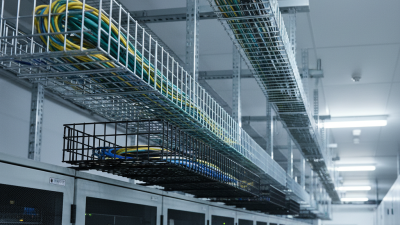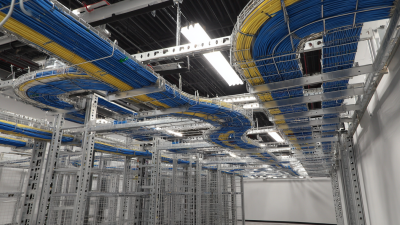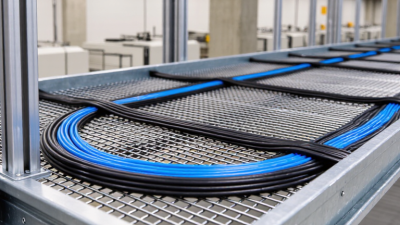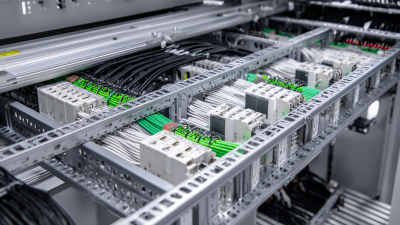
For over 50 years, we have dedicated ourselves to providing Industry with best in class wire management solutions and to helping solve mission critical issues.

The needs of today’s schools and universities are changing fast. When it comes to anticipating and meeting those needs, MonoSystems is in a class of its own.

For the past five decades, we’ve made it our business to offer more value to our partners, which in turn provides greater value to their customers.
Choosing the best wire management tray for bulk buying requires more than comparing unit prices. A tray may look affordable, yet poor capacity, weak mounting hardware, or limited adjustability can increase installation costs. Procurement teams should examine cable volume, tray dimensions, load ratings, material quality, and future expansion needs. Small details matter. A crowded server rack, sharp tray edges, and tangled power cords can quickly expose a weak purchasing decision.
Marcus L. Reed, a data-center infrastructure consultant, explains, “The right wire management tray protects today’s cables while leaving room for tomorrow’s changes.” That principle is practical. Buyers should request product samples before approving a large order. Check the finish by handling the tray. Test its mounting points. Measure whether standard cables fit without forced bends. Review packaging quality, too. Damaged corners can create unnecessary waste during delivery.
Bulk purchasing also requires careful supplier evaluation. Confirm consistent dimensions across production batches. Ask about replacement parts and lead times. Compare total ownership costs, not only the quoted price. A cheaper tray may need extra brackets, labor, or early replacement. That is easy to overlook. Still, no single design suits every facility. Open trays support visibility and airflow, while enclosed models offer stronger protection. The best choice depends on installation conditions, maintenance habits, and growth plans. A thoughtful comparison can reduce clutter, improve service access, and make large-scale installation more predictable. Mistakes remain possible, but measured testing makes them less expensive.
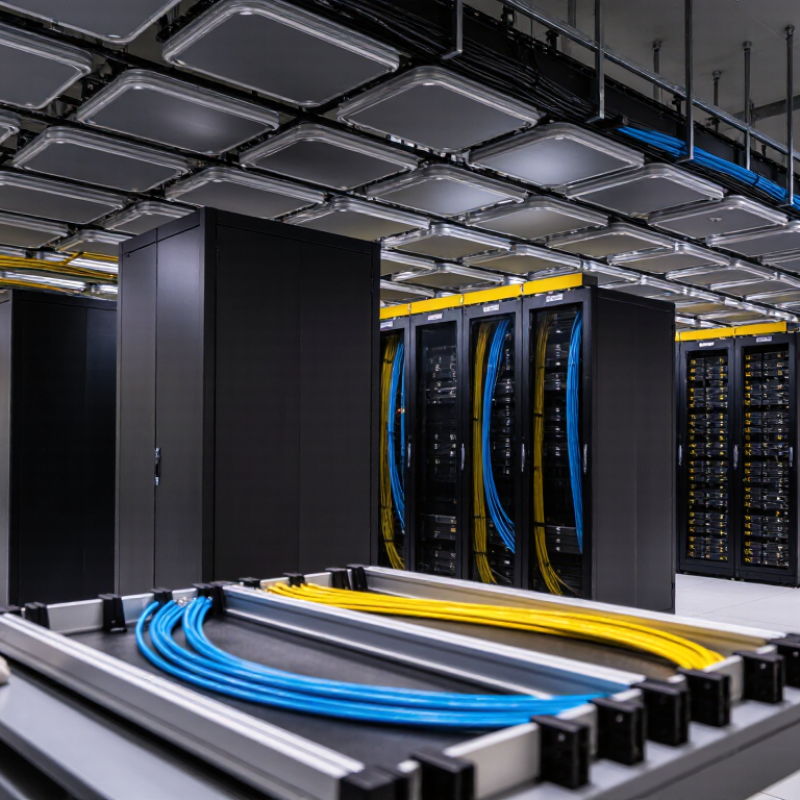
A wire management tray is a support channel that keeps power and data cables off floors, desks, and equipment surfaces. It usually uses steel, aluminum, or reinforced polymer. Common designs include basket, solid-bottom, and perforated trays. The tray attaches beneath a desk, inside a cabinet, or along a wall. Cables enter through openings, rest inside the channel, and exit near their destination.
Its main job is simple. It prevents tangling, reduces cable strain, and makes future changes easier. A properly sized tray also protects bend radius, which matters for fiber and high-speed data cables. Do not pack it tightly. Crowded cables become difficult to trace and may restrict airflow around network equipment. TIA-569-E provides recognized guidance for telecommunications pathways and spaces, including pathway capacity and accessibility.
Bulk buyers should measure cable volume before choosing a tray. Add space for growth, but avoid excessive oversizing. The 2024 Uptime Institute outage analysis reported that 54% of respondents experienced an outage costing more than $100,000. That figure does not prove poor cable routing caused those events, but it shows why basic infrastructure deserves attention. A loose tray screw can become an avoidable maintenance problem.
For larger orders, compare mounting hardware, load rating, tray length, accessory compatibility, and installation time. Standardized dimensions simplify replacement across multiple rooms. I would also request a sample before purchasing in bulk. Product descriptions can hide sharp edges, weak clips, or awkward cable exits. A tray that looks efficient online may disappoint on a crowded rack.
What Is a Wire Management Tray and How Does It Work?
A wire management tray is a support channel that routes, separates, and protects power, data, and control cables. The comparison below summarizes common tray styles for bulk purchasing. Specifications are typical market ranges and may vary by model and installation method.
| Tray Type | How It Works | Typical Material | Common Widths | Typical Load Range | Cable Capacity | Installation | Bulk-Buying Suitability | Best Application |
|---|---|---|---|---|---|---|---|---|
| Wire Basket Tray | Open-wire construction supports cables while allowing ventilation and easy access. | Powder-coated or zinc-plated steel | 2–24 in (50–600 mm) | 20–100 lb per 6 ft section | Approximately 20–80 medium cables | Under desks, walls, racks, or suspended supports | Excellent | Offices, data rooms, workshops, and equipment rooms |
| Solid-Bottom Tray | A continuous base supports cables and reduces exposure to dust or falling debris. | Steel, aluminum, or rigid PVC | 2–12 in (50–300 mm) | 25–120 lb per 6 ft section | Approximately 15–60 medium cables | Wall, cabinet, floor, or overhead mounting | Very Good | Industrial areas and locations requiring added cable support |
| Perforated Tray | Perforated sides and base provide attachment points and moderate airflow. | Galvanized or powder-coated steel | 2–24 in (50–600 mm) | 30–150 lb per 6 ft section | Approximately 20–100 medium cables | Threaded rod, brackets, walls, or cabinets | Excellent | Commercial buildings, control panels, and service corridors |
| J-Channel Tray | The J-shaped channel holds smaller cable bundles and conceals them from view. | PVC, aluminum, or powder-coated steel | 1–4 in (25–100 mm) | 5–25 lb per 6 ft section | Approximately 5–25 medium cables | Screws, adhesive backing, or clips | Good | Desks, conference rooms, retail fixtures, and light-duty routing |
| Under-Desk Cable Tray | A shallow tray attaches beneath a desk to keep power strips and cables off the floor. | Steel mesh, aluminum, or reinforced plastic | 4–16 in (100–400 mm) | 10–40 lb per tray | Approximately 8–35 medium cables | Desk screws, clamps, or adhesive mounts | Excellent | Workstations, classrooms, call centers, and home-office programs |
| Ladder Tray | Two longitudinal rails and rungs support large cable bundles and simplify tie-downs. | Galvanized or stainless steel | 6–36 in (150–900 mm) | 60–300 lb per 10 ft section | Approximately 50–250 medium cables | Heavy-duty brackets, trapeze supports, or threaded rod | Good for large projects | Data centers, factories, utility rooms, and major cable routes |
Wire basket and perforated trays usually offer the best balance of airflow, accessibility, flexibility, and unit cost.
Ladder trays are generally better suited to long spans and large cable bundles when the supporting structure is properly designed.
Confirm dimensions, material finish, mounting hardware, maximum load, cable-fill requirements, and packaging quantity before placing a bulk order.
Note: Cable quantities are approximate estimates based on typical medium-diameter cables and practical tray-fill allowances. Always verify the manufacturer’s load tables and applicable electrical installation requirements for the specific project.
When buying wire management trays in bulk, capacity is only the beginning. Measure the available space before comparing prices. In office fit-outs, I check tray width, height, cable volume, and access points together. A tray that looks spacious empty may become crowded after power and data cables share it. Leave roughly 25 percent open space for changes, cooling, and easier maintenance. That allowance can feel wasteful. It rarely stays wasteful.
Material and load rating deserve careful attention. Steel trays suit heavier cable runs and exposed areas. Plastic trays can reduce weight and resist corrosion in suitable environments. Ask for tested load figures, not vague claims. Look at mounting hardware, too. Weak brackets can turn a sound tray into a sagging line above a ceiling. Rounded edges protect insulation and installers’ hands. Slots should support tie points without forcing tight bends. Check the minimum bend radius recommended for the cables being used. This detail is easy to miss.
For bulk orders, consistency matters as much as unit price. Request samples from the actual production batch when possible. Compare hole patterns, finish, dimensions, packaging, and included hardware. A small mismatch across hundreds of units creates expensive rework. Confirm replacement parts and delivery schedules in writing. I also test one assembled section before approving the full order. That step has prevented surprises, though not every one. Some trays still arrive with confusing instructions. Clear labeling and repeatable installation matter on busy sites.
When buying in volume, compare material before counting boxes. Galvanized steel offers strong load capacity and suits warehouse ceilings, server rooms, and long overhead runs. Aluminum is lighter and resists corrosion, but it can cost more and may need closer support spacing. Wire mesh trays improve ventilation and allow quick cable drops. Solid-bottom trays protect delicate cables from falling debris. My first bulk order was too generous on width. Unused space became wasted budget.
Size should follow cable volume, bend radius, and future growth. Leave practical spare capacity instead of filling every opening.
The Lawrence Berkeley National Laboratory’s 2024 United States Data Center Energy Usage Report estimates data centers used 176 terawatt-hours in 2023. It projects 325 to 580 terawatt-hours by 2028.
Higher equipment density makes airflow and orderly routing more important. Still, energy forecasts do not replace a site survey.
Installation changes the real cost. Ladder trays work well for heavy bundles and long spans. Mesh trays simplify wall mounting and frequent changes. Underfloor trays can protect pathways, but access may become awkward.
Compare brackets, splice plates, grounding needs, and labor hours. Check load ratings under IEC 61537 or applicable national requirements. NFPA 70, Article 392, also addresses cable-tray installation.
Request tested capacity data, not vague marketing language. Bulk pricing looks attractive until incompatible fittings arrive.
The best wire management tray for bulk buying is rarely the cheapest option. Supplier evaluation should begin with traceable specifications: tray width, steel thickness, load capacity, coating type, and tested operating temperature. MarketsandMarkets estimates the cable management market will grow from USD 23.8 billion in 2023 to USD 36.9 billion by 2028. Growing demand makes supplier consistency more important.
Request a production sample before signing a large order. Check sharp edges, uneven welds, coating bubbles, and warped sections. Measure the actual usable width, not only the advertised size. Ask for inspection records, material certificates, packaging details, and replacement policies.
Uptime Institute’s 2024 Global Data Center Survey reported that 54% of respondents had experienced an outage costing more than USD 100,000. A poorly supported tray can create expensive maintenance risks.
Pricing should include brackets, splice plates, delivery, storage, and installation labor. Compare total landed cost, not unit price. Customization may include length, depth, mounting holes, finishes, and corrosion resistance. The supplier should confirm tolerances in writing.
I would also test a mixed batch, because one perfect sample proves little. This step feels slow. It can prevent a very costly surprise. Suppliers that answer technical questions clearly usually deserve more attention than those offering fast discounts.
What Is the Best Wire Management Tray for Bulk Buying?
How to Choose the Best Wire Management Tray for Your Project
Choosing a wire management tray starts with the project, not the unit price. Measure cable volume, tray length, bend radius, and future expansion space. A tray that looks generous today may become crowded after one upgrade. Leave practical spare capacity.
Load rating matters. Compare the manufacturer’s tested working load with your cable bundle’s actual weight. Check span distance, support spacing, material thickness, corrosion resistance, and grounding options. For humid rooms, coated steel or corrosion-resistant metal may offer better service life. Plastic can reduce weight, but it may perform poorly near heat sources.
Data center demand makes planning more important. The Lawrence Berkeley National Laboratory’s 2024 report estimated U.S. data centers used about 176 terawatt-hours of electricity in 2023. It also projected possible consumption of 325 to 580 terawatt-hours by 2028. More equipment usually means denser cable routes. Design for changes.
For bulk buying, standardize tray widths and accessories. Use compatible bends, junctions, covers, and mounting hardware. Request samples before approving a large order. Test installation speed, edge safety, rigidity, and cable access on a real section. I once focused too heavily on price and underestimated fitting labor. That mistake was expensive. Procurement teams should compare total installed cost, not just tray cost. Also verify documentation, inspection records, and delivery consistency. A low-cost tray is not automatically the best value.
Compare common tray types using practical planning benchmarks for load support and installation speed. Higher load capacity is useful for dense cable runs, while shorter installation time can reduce labor costs in large projects.
The figures represent typical commercial configurations: load capacity is shown in kilograms per metre, and installation time is estimated for one 3-metre section. Final selection should be confirmed against cable weight, span spacing, environment, and local installation requirements.