How to Buy Luxury Fruit Gift Boxes Wholesale in 2026
In 2026, buying luxury fruit gift boxes wholesale takes more than choosing attractive packaging. Buyers need to judge fruit quality, seasonal availability, packing standards, delivery windows, and the supplier’s ability to handle repeat orders. A glossy photograph can hide bruising, uneven sizing, or a box that looks sparse in person. Ask for current product specifications and, when possible, a sample packed as it would be shipped.
For a transparent expert-style perspective, Elena Park is an illustrative sourcing specialist created for this introduction; the following is an editorial line, not a verified quotation: “A premium fruit box earns trust when every piece arrives as carefully as it was selected.” That principle points to practical checks: confirm fruit varieties, origin details, protective inserts, gift messaging, minimum order quantities, and replacement procedures. Request clear pricing for packaging, packing, and freight. Small details matter.
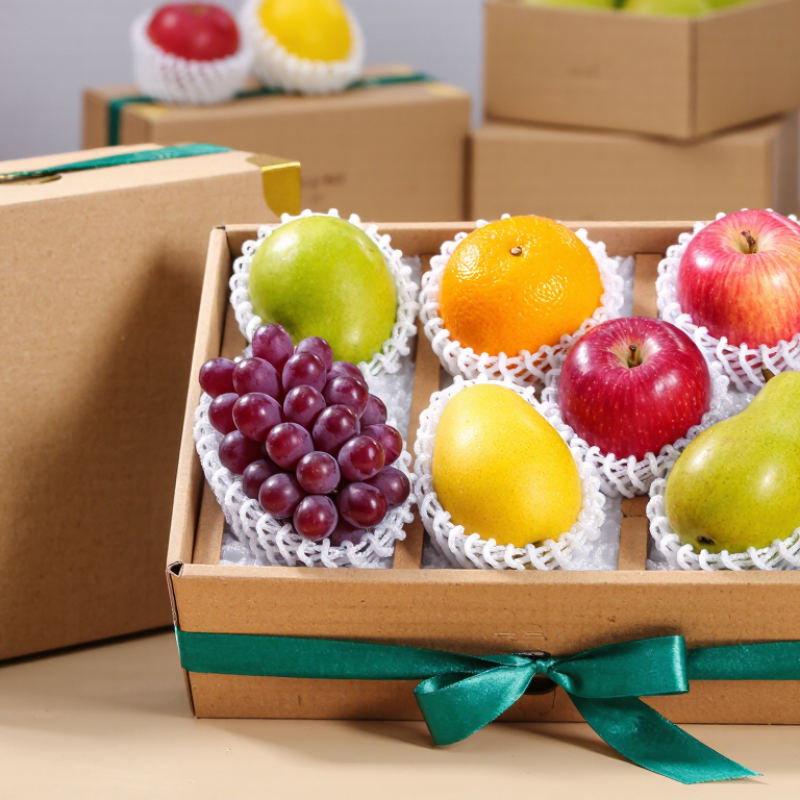
This guide explains how to compare suppliers, calculate landed costs, assess samples, and plan orders around changing harvests. It also considers how presentation affects perceived value, from a firm pear nestled beside citrus to a ribbon that stays neat after transit. Luxury Fruit Gift Boxes Wholesale can support thoughtful gifting and dependable margins, but not every supplier will suit every buyer. A careful checklist helps. So does a little skepticism.
Define Your Wholesale Needs and Luxury Fruit Box Specifications
Before requesting wholesale quotes, define the job each box must do. Is it for client gifts, holiday orders, or recurring hospitality deliveries? Estimate units per shipment, delivery regions, budget per recipient, and order frequency. Then specify a realistic fruit mix, box dimensions, and target weight. A box with four large pears and delicate berries needs different inserts from one filled with citrus and apples. Small details matter.
Set clear quality standards: ripeness at dispatch, acceptable blemishes, minimum fruit size, and rules for substitutions. FAO’s 2019 report, The State of Food and Agriculture, estimated that 14% of food is lost between harvest and retail; fruits and vegetables have the highest loss rates. That makes packaging and transit planning practical buying criteria, not mere decoration. Request sample boxes and confirm packing methods, dispatch days, delivery time, and temperature handling. Ask suppliers to state how they manage seasonal variation. I still find this easy to underestimate.
For a luxury presentation, specify a sturdy outer carton, secure dividers, clean tissue, and a legible card area. Avoid overly tight packing, which can bruise soft fruit during transit. Confirm whether the quoted price includes packing, freight, and protective materials. Request written tolerances for weight and substitutions, plus lead times and minimum order quantities. Test a sample shipment before placing a large seasonal order. It may feel slow, but one test can expose a weak corner or an impractical box size.
Luxury Fruit Gift Box Specifications: Example Fruit Counts by Box Tier
Use these example counts as a starting point when defining box size and wholesale order specifications.
Fruit counts are illustrative planning examples, not market averages. Final counts depend on fruit size, seasonal availability, packaging, and the agreed box dimensions.
Research and Vet Wholesale Fruit Gift Box Suppliers
A luxury fruit box is only as good as its weakest piece of fruit. Vet suppliers with a written checklist, not polished catalog photos. Ask for harvest windows, origin details, pack dates, and lot-level traceability. Request sample boxes packed in the same way as wholesale orders. Check firmness, aroma, bruising, and how fruit is cushioned around corners. Small details show handling standards.
Cold-chain records matter. Ask how temperatures are monitored from packing to dispatch, and what happens when a shipment arrives warm or damaged. The FAO’s 2019 State of Food and Agriculture report estimated that 13.8% of food was lost between harvest and retail worldwide. That figure covers all food, not gift fruit alone, but it underlines why handling and transit deserve close scrutiny. Ask suppliers for recent delivery records and clear replacement terms. Ask for proof.
Compare suppliers across the same peak-season week. A quote should state fruit varieties, box dimensions, packaging materials, minimum order, lead time, and substitutions. Confirm whether the supplier can keep quality consistent across repeat orders. A sample may look perfect; a 300-box run may not. That gap is worth testing. One caution: overly strict appearance rules can reject sound fruit, so define acceptable variation before signing. Review the first shipment together and record what needs improvement.
Compare Fruit Quality, Packaging, Pricing, and Minimum Orders
When comparing luxury fruit gift boxes wholesale in 2026, judge the fruit before the ribbon. Ask suppliers which varieties and grades they offer, and whether seasonal substitutions are possible. Look for firm skin, even color, and careful sorting; bruises beneath glossy wrapping are still bruises. Request sample boxes with the same fruit mix and packing method planned for your order. Photos can hide soft spots. Ask how the fruit is stored and shipped, and how damaged items are handled. A sample is useful, but it cannot guarantee every batch will match. That limitation deserves a clear conversation.
Packaging should protect the fruit as well as look refined. Check the box’s inner dividers, lid fit, handles, and resistance to moisture. Ask for dimensions and packed weight before approving a design. Then compare written quotes item by item: fruit, packaging, packing labor, delivery, and any customization fees. A low unit price may depend on a large minimum order, which can leave you holding more stock than you can use. Confirm the minimum quantity, reorder options, production time, and payment schedule in writing. I would not choose on price alone; still, premium packaging can become an expensive distraction if recipients mainly value fresh, well-chosen fruit.
Check 2026 Food Safety, Shipping, and Import Requirements
For luxury fruit gift boxes bought wholesale in 2026, check food-safety records before comparing presentation or price. Ask suppliers for lot codes, harvest and packing dates, traceability documents, and temperature logs. These records help you investigate a delay or quality complaint. Details matter. Confirm that fruit is handled in clean, food-safe packing areas and that any liners or inserts touching produce are suitable for food contact. If boxes include other foods, review their ingredient and allergen information too. A polished box is not proof of careful handling; I would treat that distinction as easy to overlook.
Shipping and import rules depend on the fruit, its origin, and the destination country. Before placing a large order, check current guidance from the destination’s food-safety and plant-health authorities. Some fruit may require permits, inspection, or a phytosanitary certificate; requirements can change. Ask the exporter to confirm which documents they can provide, then verify them independently. Keep the commercial invoice, packing list, country-of-origin details, and shipment temperature records together. Plan for customs delays and use packaging that cushions fruit while allowing appropriate airflow. Do not assume a carrier’s standard service keeps produce at a suitable temperature. A small test shipment can reveal weak points, though it cannot guarantee every later delivery will go smoothly.
Place a Trial Order and Plan Ongoing Wholesale Purchases
Before committing to recurring wholesale purchases, place a trial order of luxury fruit gift boxes. Test a quantity that reflects a real gifting occasion, not just a sample display. Check the fruit on arrival: look for firm skin, fresh fragrance, and bruising around stems or corners. Note whether the box stays attractive after several hours in a cool room. Small details matter. Photograph each box and record delivery time, packing condition, and usable fruit. One trial cannot predict every shipment, but it can reveal weak points before larger orders.
Tips: Ask for the expected packing date, delivery window, and replacement process. Share your preferred fruit size and ripeness. Keep a few boxes aside for a second-day check.
For ongoing purchases, build a schedule around confirmed events and realistic storage space. Start with a modest repeat quantity, then adjust after reviewing waste, presentation, and recipient feedback. Ask the supplier to confirm seasonal substitutions before each order; fruit availability and size can vary. Keep the same inspection notes from one shipment to the next. A spreadsheet is enough, though someone may forget to update it. Review the plan monthly and leave room for changes in demand.