What is a Cable Tray Cover Benefits and Applications?
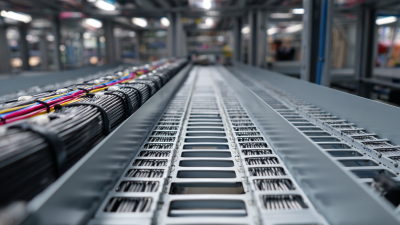
In today's rapidly evolving electrical infrastructure, the significance of a cable tray cover cannot be overlooked. Experts in the field, such as John Smith, an electrical engineering consultant, have emphasized its importance. He states, "A cable tray cover protects not only the cables but also enhances the overall safety of the electrical system." This insight highlights the dual function of cable tray covers in ensuring both protection and safety.
Cable tray covers serve as guardians for cables, shielding them from dust, debris, and potential damage. By utilizing a cable tray cover, companies can maintain the integrity of their electrical systems and reduce the risk of costly downtime. The applications range from industrial settings to commercial buildings, showcasing their adaptability. Such covers can prevent accidental incidences, thereby fostering a safer work environment.
However, while cable tray covers are essential, they are often overlooked during installations. Many professionals underestimate their role in maintenance. This neglect can lead to more significant issues over time. Reflecting on this, it is crucial to recognize that the correct implementation of cable tray covers can greatly mitigate risks associated with cable management, ensuring reliability in electrical systems.
What is a Cable Tray Cover?
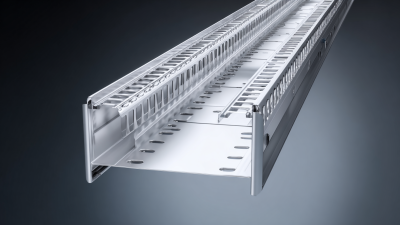
A cable tray cover is an essential accessory for managing and protecting electrical cables. It is designed to shield cables from various environmental factors. These covers help prevent dust, moisture, and physical damage. When installed properly, cable tray covers enhance safety and prolong the lifespan of the cables.
One important aspect to consider is the material of the cover. Materials can vary, affecting durability and resistance to environmental factors. Metal covers offer sturdiness but may be heavier, while plastic options are lighter and easier to install. It's crucial to assess the specific needs of your installation site.
When choosing a cable tray cover, keep in mind the expected load and exposure to elements. Understanding these parameters will aid in selecting the right cover. Proper installation is key. Align the cover with the tray edges to ensure a snug fit. It might take time to perfect this process, but a secure cover is worth the effort.
Cable installations can sometimes reveal challenges, like unexpected bends or obstructions. Addressing these complexities can improve the overall safety of your setup. Always take the time to reflect on any potential adjustments needed for an optimal installation.
Cable Tray Cover Benefits and Applications
Key Benefits of Using Cable Tray Covers
Cable tray covers are essential for protecting electrical installations. They serve multiple purposes, ensuring safety and efficiency. One key benefit is their ability to shield cables from environmental factors. Dust, moisture, and UV rays can damage exposed wires. A cover helps maintain the integrity of electrical systems, prolonging their lifespan.
Another advantage is safety. Cables left uncovered can pose tripping hazards. Covers create a neat appearance, reducing the risk of accidents. In industrial settings, this is crucial. Workers need a safe environment to operate efficiently. Moreover, cable tray covers can help with organization. With designated pathways for cables, maintenance becomes easier. Technicians can quickly identify issues without having to sift through a tangled mess.
It’s essential to consider proper installation and maintenance of cable tray covers. A poorly fitted cover may not provide the needed protection. Regular inspections can ensure they remain effective. Some people underestimate how critical these details are. They can lead to significant system disruptions. In industries where downtime is costly, neglecting these aspects can be a challenge to reflect on.
What is a Cable Tray Cover Benefits and Applications? - Key Benefits of Using Cable Tray Covers
| Benefit |
Description |
Applications |
| Protection |
Cable tray covers protect cables from physical damage and environmental factors. |
Industrial settings, outdoor installations. |
| Safety |
Reduces the risk of accidents by preventing trip hazards and exposing live electrical wires. |
Commercial buildings, manufacturing plants. |
| Aesthetic Appeal |
Provides a cleaner and more organized look to installation areas. |
Office spaces, public venues. |
| Dust and Debris Prevention |
Keeps dust and debris away from cables, ensuring better performance and longevity. |
Data centers, server rooms. |
| Flexibility |
Covers allow for easy access and modifications to cable layouts without full disassembly. |
Maintenance areas, upgrade projects. |
Various Applications of Cable Tray Covers in Industries
Cable tray covers serve essential functions across various industries. They protect cables from environmental factors like dust and moisture, which can weaken electrical systems. In manufacturing facilities, these covers ensure cables remain organized and reduce hazards from loose wires. In data centers, they help maintain airflow while safeguarding critical data lines.
Installation of covers in hospitals is crucial for safety and hygiene. They prevent accidental disconnections and provide easy access for maintenance. Moreover, in commercial settings, covers contribute to the aesthetics of workspaces, promoting a clean and professional environment.
One important point to consider is the material used for covers. Some may not withstand extreme temperatures or chemicals. Selecting the right cover can improve durability and longevity. Ensure that regular inspections are part of your maintenance routine to catch any wear or damage early. Proper choices lead to greater safety and efficiency.
Installation and Maintenance of Cable Tray Covers
Cable tray covers play a crucial role in protecting electrical and data cables. Proper installation and maintenance are key factors in ensuring their effectiveness. Begin by selecting the right cover for your specific cable tray design. Accurate measurements and compatibility with existing trays matter greatly. Secure fitting ensures that covers remain in place during adverse conditions.
Regular maintenance is essential. Inspect cable tray covers periodically for wear or damage. Any tears or loose fittings can expose cables to dust, moisture, and physical damage. Keeping a routine check helps prevent potential hazards. Cleaning also enhances longevity. Use soft cloths and non-corrosive cleaning agents for this task. A well-maintained cover contributes to a safer electrical environment.
While installation seems straightforward, attention to detail is vital. Over-tightening screws may cause damage, while under-tightening risks failure. It is beneficial to document the specifications and procedures. This can aid future installations or replacements. A proactive approach to installation and maintenance pays off in the long run. Reflect on the effectiveness of your current methods to identify areas for improvement.
Comparing Different Types of Cable Tray Covers Available
Cable tray covers play a critical role in safeguarding electrical systems. They ensure the integrity of the cables, providing protection against environmental factors. Different types of cable tray covers are available, each suited to specific applications and environments. Plastic covers, for example, are lightweight and resistant to corrosion, making them ideal for indoor installations. Metal covers, on the other hand, offer robust protection against physical impacts and are suitable for harsh outdoor conditions.
When comparing cable tray covers, factors like material, size, and installation ease are essential. According to industry reports, metal covers can withstand temperatures exceeding 1000°F, which is necessary for many industrial settings. However, they can be heavier and more cumbersome to install than their plastic counterparts. The flexibility of plastic covers makes them easier to handle, but their thermal resistance might be less than metal options. Thus, considerations regarding the environment and expected wear are crucial.
Recent studies indicate that proper use of cable tray covers can extend the life of electrical systems by up to 40%. This statistic highlights the importance of selecting the right cover type for each specific scenario. Nonetheless, it is vital to reflect on whether the chosen cable tray cover meets the project’s demands. Each type has its benefits and limitations that should be weighed carefully.