
China Top 10 High Flow Boiler Condensate Pump Suppliers

Boiler condensate is more than warm return water. It carries recoverable heat and treated water back toward the boiler. The U.S. Department of Energy’s Steam Tip Sheet #8, “Return Condensate to the Boiler,” describes condensate recovery as a practical way to reduce makeup-water, treatment, and fuel demands. The IEA’s Energy Efficiency 2023 report also underscores the broader industrial focus on using energy more efficiently. Small operating details matter.

This guide to China’s top 10 suppliers of High Flow Boiler Condensate Pump products looks beyond catalogue claims. A pump handling hot condensate must match the required flow, total head, temperature, and pressure conditions. Buyers should also examine wetted materials, seal arrangements, motor specifications, testing records, and after-sales support. Ask for a performance curve at the intended duty point. A polished brochure is not enough.

Supplier comparisons can help narrow the field, but they cannot replace application engineering. One plant may need steady high-volume return; another may face fluctuating inflow, limited floor space, or frequent starts. Those differences can change the best choice. No ranking fits every site. This introduction sets out a practical basis for comparing Chinese manufacturers, checking available technical evidence, and identifying questions worth asking before requesting a quotation. Supplier information and product ranges can change, so verify current specifications directly with each manufacturer.
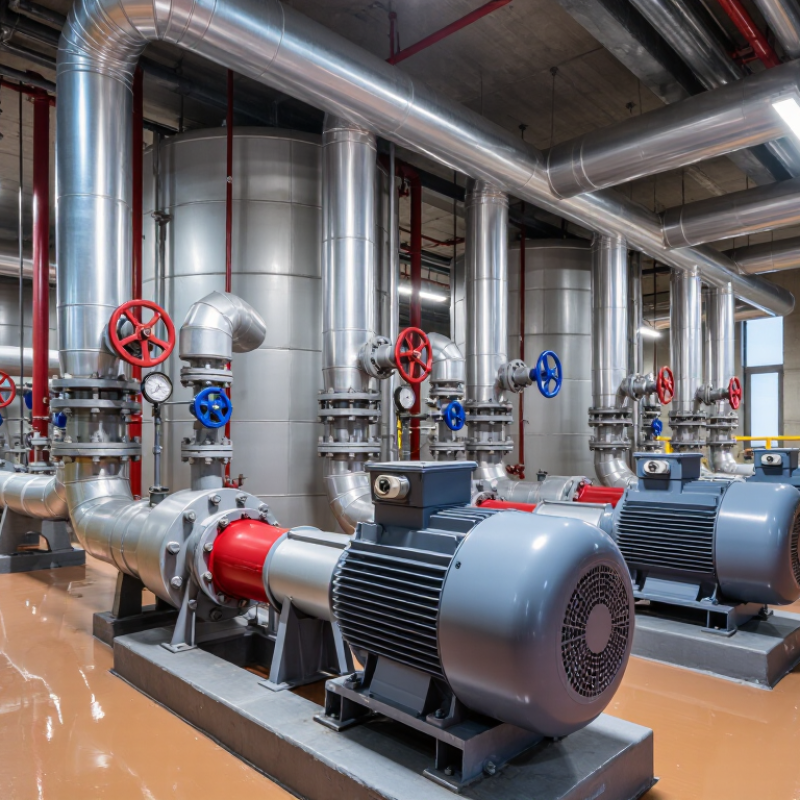
China Top 10 High Flow Boiler Condensate Pump Suppliers

What Is a High-Flow Boiler Condensate Pump?

A high-flow boiler condensate pump moves large volumes of returned condensate from a collection point back toward a boiler feed system or storage tank. It is designed for applications where condensate arrives faster than a small receiver and pump can handle. The goal is steady transfer, not simply a high number on a product sheet.

Flow matters. So does lift. A pump must overcome the vertical height and resistance of the discharge pipe, while handling the condensate temperature and expected operating cycle. In a plant room, this may mean moving hot water from a receiver beside several boilers through a long pipe run. Engineers typically compare peak condensate return with pump capacity and check the pump’s performance at the required discharge pressure. A high-flow rating alone can be misleading.

Details matter. Receiver volume, inlet arrangement, controls, and duty cycle all affect reliable operation. Float switches or other level controls should respond without causing rapid on-off cycling. Pipe size and layout deserve attention too; tight bends can add resistance. In practice, condensate return can vary with boiler load, so selecting equipment from average flow alone may leave little margin during peak periods. That margin should be reasoned, not guessed. Regular checks for leaks, unusual noise, and changing start frequency can reveal problems early, though no inspection schedule fits every installation.

How Does a Condensate Pump Work in a Boiler System?

In a boiler system, steam transfers heat to equipment and cools into liquid condensate. The condensate drains through return piping into a pump receiver, often a small tank near the boiler room floor. Gravity does much of the work. But pipe slope, traps, and backpressure can change how smoothly water arrives.

A float switch monitors the receiver level. When condensate rises to its set point, it starts the pump motor. The impeller then moves hot water through a discharge line toward a feedwater tank or return header. A check valve helps prevent water from flowing backward after the motor stops. Then the cycle repeats. Simple, but not effortless.

For high-flow service, pump selection should reflect peak condensate volume, discharge pressure, vertical lift, and liquid temperature. Hot condensate can release flash steam as pressure falls, which may contribute to cavitation or unstable flow. Listen for rattling. Check the receiver level and motor cycling, too. Real installations are rarely textbook-clean; a poorly sloped return line or undersized receiver can still disrupt operation. I would verify actual operating conditions before relying on a catalog flow figure alone.

What Criteria Define a Reliable Pump Supplier?

A reliable high-flow boiler condensate pump supplier should understand the conditions behind the flow-rate figure. Ask how the pump performs with hot condensate, changing suction levels, and occasional air or vapor in the line. A catalogue rating alone is not enough. Request a performance curve showing flow, head, and efficiency across the expected operating range. Check that materials suit the condensate temperature and chemistry, and that seals and bearings are specified for continuous service. Small details matter.

Technical support is another practical test. Can the supplier review your duty point, explain motor sizing, and identify risks such as cavitation? Ask for clear installation dimensions, maintenance intervals, spare-parts information, and written warranty terms. References from comparable boiler systems can help, but confirm the operating conditions rather than relying on a similar-sounding application. Response quality counts. A prompt, specific answer is more useful than a polished brochure. Still, no checklist catches every mismatch; project data may be incomplete, and assumptions can quietly shape a selection. Share measured temperatures, pressure, and peak flow where possible, then check that the proposed pump’s limits are documented.

Who Are China’s Top 10 High-Flow Boiler Condensate Pump Suppliers?

China’s “top 10” high-flow boiler condensate pump suppliers are best identified through verified project records, not broad online rankings. Public data do not provide a consistent league table for Chinese suppliers by condensate-pump flow, efficiency, or installed capacity. Buyers should compare manufacturers with documented boiler-house references, stable performance curves, and service teams able to support commissioning. Ask for the tested flow and head at the stated operating point, not just the maximum figures. Check casing materials, seal arrangements, motor protection, and spare-parts availability. Small details matter when hot condensate returns through a noisy, vibrating pipe.

The U.S. Department of Energy’s Improving Pumping System Performance: A Sourcebook for Industry reports that pumping systems account for nearly 20% of global electricity demand. That figure covers pumps broadly, not boiler condensate pumps alone, but it shows why efficiency claims deserve scrutiny. Request a certified performance test and compare energy use at expected loads; a pump rarely operates at its headline rating all day. Review installation references for similar flow, temperature, and pressure conditions, then ask how suppliers handle cavitation and intermittent return. This comparison is not perfect. I would also question any “top ten” list that gives no ranking method, test standard, or verifiable operating history.

China Top 10 High-Flow Boiler Condensate Pump Suppliers — Capacity Reference

Estimated condensate flow corresponding to boiler steam load; this is an engineering reference, not a supplier ranking or supplier-specific performance data.

The estimate uses a water density of approximately 998.2 kg/m³ at 20°C. Actual pump selection should account for condensate temperature, flash steam, required flow margin, total dynamic head, and system conditions.

How Can Buyers Compare Suppliers and Choose the Right One?

Compare suppliers against the actual duty point, not headline flow alone. Record required flow, total head, condensate temperature, suction conditions, operating hours, and expected solids. Ask for performance curves showing efficiency, required NPSH, motor load, and the tested operating range. Small mismatches matter. A pump operating far from its best-efficiency point may consume more power and wear faster. The U.S. Department of Energy’s Improving Pumping System Performance: A Sourcebook for Industry reports that pumping systems use nearly 20% of global electricity, and 25–50% of energy in some industrial operations. These figures cover pumping broadly, not condensate pumps alone, but they support comparing lifetime costs.

Request performance-test records under ISO 9906, then compare materials, seal design, spare-part lead times, and service response. For hot condensate, check NPSH margin at the actual liquid temperature; flashing or cavitation can damage impellers. Ask suppliers to explain the assumptions behind quoted efficiency and warranty terms. The DOE’s Improving Steam System Performance sourcebook describes how returning hot condensate conserves heat, treated water, and chemicals. Evaluate the pump as part of that return system. Check references from sites with similar flow swings and start-stop frequency. Paper data can look neat. Site conditions rarely do. If comparable field data are missing, treat projected savings as uncertain and request monitored operating results.

China Top 10 High Flow Boiler Condensate Pump Suppliers - How Can Buyers Compare Suppliers and Choose the Right One?

Buyer comparison scorecard: assess up to 10 suppliers using the same duty point and evidence requirements. The weights below are suggested buyer priorities, not market rankings or supplier-specific performance data. Confirm all values against the supplier’s proposal, certified test records, and the actual system conditions.

No. Comparison criterion Suggested weight What buyers should compare Evidence to request Buyer score (0–5)
1 Rated flow and total head 15% Check that the proposed pump meets the required flow and total dynamic head at the specified operating point, including the system’s static and friction losses. Pump curve with the required duty point marked; stated flow, head, speed, and impeller diameter. _____ / 5
2 Hydraulic performance verification 12% Compare the guaranteed performance and the test acceptance criteria. ISO 9906 specifies acceptance tests for rotodynamic pump hydraulic performance; agree the applicable grade and tolerances in the purchase contract. Factory performance test report showing measured flow, head, power, speed, test method, and acceptance criteria. _____ / 5
3 NPSH and cavitation suitability 12% Compare the pump’s NPSH required (commonly reported as NPSH3) with the system’s available NPSH at the actual condensate temperature, pressure, liquid level, and flow. Establish the required margin for the application. NPSH curve and a documented system NPSH calculation using the buyer’s operating conditions. _____ / 5
4 Temperature and pressure limits 10% Verify allowable liquid temperature, operating pressure, casing pressure rating, and any limits on starts, stops, or thermal cycling against the complete system design. Published operating limits and a proposal confirming suitability for the specified maximum and normal conditions. _____ / 5
5 Wetted materials and corrosion compatibility 10% Check casing, impeller, shaft, and wear components against condensate chemistry, temperature, oxygen exposure, and any treatment chemicals. Material suitability depends on the actual service conditions. Bill of materials, material grades, and written confirmation of compatibility with the buyer’s condensate specification. _____ / 5
6 Pump configuration and installation fit 8% Compare horizontal or vertical arrangement, suction conditions, footprint, nozzle orientation, maintenance access, and compatibility with the condensate receiver or tank layout. General arrangement drawing, foundation and nozzle details, and installation-clearance requirements. _____ / 5
7 Motor and electrical compatibility 8% Confirm motor power, voltage, frequency, phase, enclosure, insulation, and starting method match the site supply and operating plan. Check motor rating against absorbed pump power over the required operating range. Motor datasheet, nameplate details, wiring diagram, and confirmation of the applicable IEC 60034 requirements where specified. _____ / 5
8 Shaft sealing and leakage management 8% Compare the proposed seal arrangement and materials with condensate temperature, pressure, operating frequency, and site maintenance preferences. Define acceptable leakage and monitoring requirements. Seal datasheet, operating limits, flushing or cooling requirements, and recommended inspection intervals. _____ / 5
9 Quality records and traceability 9% Assess whether manufacturing and inspection records meet the project specification, including traceability of critical parts and inspection hold points where required. Quality plan, inspection and test plan, material certificates, dimensional inspection records, and agreed test documentation. _____ / 5
10 Service, spares, and delivery support 8% Compare quoted lead time, warranty terms, local technical support, spare-parts availability, and the response process for commissioning or troubleshooting. Written delivery schedule, warranty terms, recommended spares list, and service-support contact and response commitments. _____ / 5
Total suggested weight 100% Weighted score = sum of (criterion score ÷ 5 × criterion weight). Compare only proposals based on the same duty conditions and scope.

Scoring guide: 0 = no evidence or does not meet the requirement; 1 = major gaps; 2 = partially meets the requirement; 3 = meets the stated requirement; 4 = meets it with strong supporting evidence; 5 = fully meets it with complete, verifiable evidence. Treat safety, duty-point suitability, and applicable project requirements as pass/fail gates before comparing weighted totals.