
For over 50 years, we have dedicated ourselves to providing Industry with best in class wire management solutions and to helping solve mission critical issues.

The needs of today’s schools and universities are changing fast. When it comes to anticipating and meeting those needs, MonoSystems is in a class of its own.
For the past five decades, we’ve made it our business to offer more value to our partners, which in turn provides greater value to their customers.
In today’s industrial world, efficiency and reliability are paramount. Businesses are increasingly turning to advanced solutions to meet their operational demands. One such solution is the Turbo Blower. These blowers are designed to provide high levels of airflow with reduced energy consumption.
Turbo Blowers stand out for their unique design and function. They utilize a centrifugal impeller, which enables them to operate at high speeds. This leads to impressive performance in various applications, such as wastewater treatment and pneumatic conveying.
However, it is essential to evaluate whether a Turbo Blower truly meets your specific needs. Initial costs can be higher than other types. Maintenance requirements can also vary and may introduce unexpected challenges. Weighing these factors is crucial before making a decision. Ultimately, a Turbo Blower can offer exceptional benefits, but it is important to reflect on its suitability for your unique industrial situations.
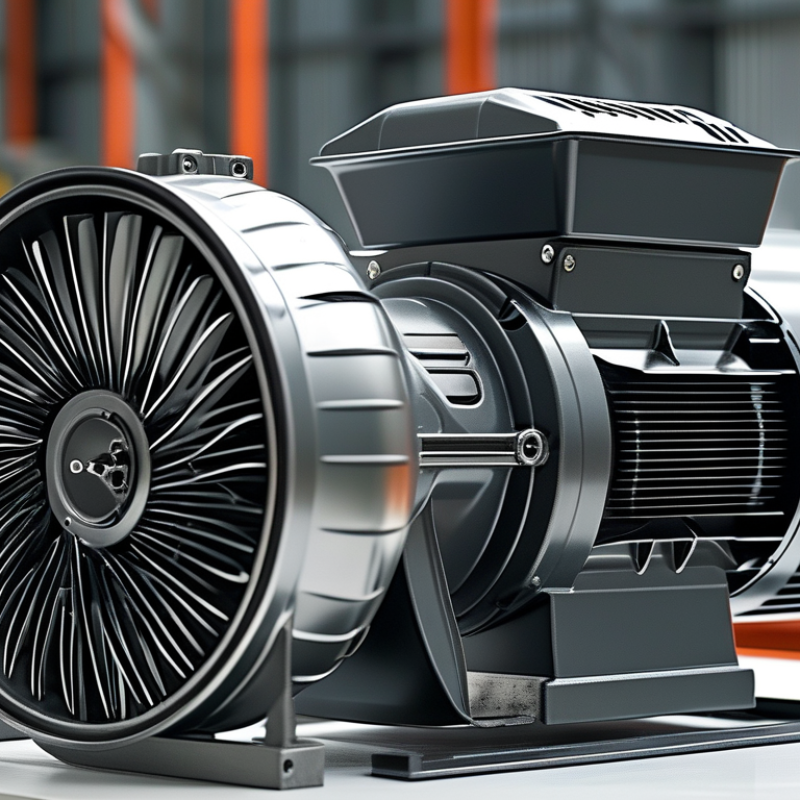
Turbo blowers have become essential in various industrial applications. Their unique design allows them to offer high efficiency and reliability. Unlike traditional blowers, turbo blowers utilize a centrifugal force mechanism. This results in increased airflow and pressure without consuming excessive energy.
Understanding how they function is crucial for industries. Turbo blowers compress air with a rotating impeller. As the impeller spins, it accelerates air, forcing it out through a diffuser. The process converts kinetic energy into pressure energy efficiently. This efficiency can lead to significant cost savings over time.
However, it’s important to recognize the potential challenges. They can be sensitive to changes in operating conditions. Inconsistent power supply can impact performance. Regular maintenance is essential to prevent breakdowns. Addressing these issues can improve reliability and operational efficiency significantly.
Turbo blowers offer several advantages over traditional blowers in industrial applications. They operate using a more efficient method, which can significantly reduce energy costs. Turbo blowers utilize high-speed rotating impellers to compress air, resulting in higher efficiency compared to positive displacement blowers. This translates into lower operational costs and a smaller environmental footprint.
In contrast, traditional blowers often rely on mechanically driven methods, which can lead to energy wastage. They tend to be bulkier and may require more maintenance due to their moving parts. Turbo blowers, with fewer moving components, offer lower maintenance requirements. However, their initial cost can be higher, which is a consideration for budget-conscious operations.
Tip: When selecting a blower, assess your specific airflow needs. Determine if the initial investment aligns with long-term savings. Consider the operational environment to ensure compatibility.
Both systems have their merits. Turbo blowers excel in high-efficiency scenarios, while traditional blowers may serve well in applications requiring less complexity. It's essential to weigh the efficiency benefits against cost and maintenance needs. Tailor your choice to fit your operational demands for optimal performance.
Turbo blowers are becoming the go-to choice for many industries. Their efficiency in compressing air provides significant operational advantages. One key benefit is energy savings. Turbo blowers are designed to use less power while delivering high flow rates. This results in lower energy costs over time.
Furthermore, turbo blowers offer a quieter operation compared to conventional blowers. This reduction in noise levels creates a more pleasant working environment. Some facilities have reported a noticeable difference in comfort levels after switching. Maintenance is another area where turbo blowers shine. With fewer moving parts, they often require less frequent servicing, thus minimizing downtime.
However, it’s important to consider the initial investment. The upfront costs can be higher than traditional options. Yet, the long-term savings often offset this. Industry professionals recommend evaluating the specific needs of your application. Turbo blowers may not suit every scenario, but where they fit, they truly excel. Balancing initial costs with potential savings is essential for informed decision-making.
| Advantage | Description | Efficiency (%) | Noise Level (dB) | Maintenance Frequency (months) |
|---|---|---|---|---|
| High Efficiency | Turbo blowers achieve higher air delivery rates with lower energy consumption. | 70-90% | 75-85 dB | 12 |
| Compact Design | Smaller footprint compared to traditional blowers, saving space in industrial settings. | - | - | - |
| Low Maintenance | Fewer moving parts mean lower maintenance needs and longer lifespan. | - | - | 24 |
| High Pressure Capability | Turbo blowers can generate higher pressures compared to conventional blowers. | - | - | - |
| Energy Savings | Utilizing turbo technology leads to significant reduction in energy costs. | 40-50% | - | - |
When selecting a turbo blower for industrial applications, several key factors warrant attention. Efficiency plays a critical role. According to the American Society of Mechanical Engineers (ASME), turbo blowers can achieve efficiency levels exceeding 80%. This efficiency translates to reduced operational costs and lower energy consumption. Choosing a blower with optimal energy use is essential for long-term sustainability.
Airflow capacity is another vital consideration. Turbo blowers are available in varying capacities, often from 100 to 10,000 cubic feet per minute (CFM). Industries such as wastewater treatment can require high airflow for effective operation. Miscalculating airflow needs can lead to inadequate performance or excess energy waste. It is crucial to conduct a thorough analysis of operational demands.
Durability should not be overlooked. Turbo blowers are subjected to varying environmental conditions and loads. The material quality and design affect lifespan. Many studies indicate that well-constructed blowers can last over a decade with proper maintenance. However, overlooked maintenance can lead to failure and costly repairs. Assessing maintenance requirements and potential downtime is essential for reliable operation.
Turbo blowers are gaining popularity in various industrial applications due to their unmatched efficiency and maintenance advantages. These systems operate through an aerodynamic principle, which minimizes energy consumption. With fewer moving parts, turbo blowers typically require less frequent maintenance compared to traditional blower systems. This leads to reduced operational costs over time.
To maximize the efficiency of turbo blowers, regular inspections are crucial. Check for air leaks and ensure that all fittings are secure. A small leak can significantly impact performance. Also, monitor the intake filters. Dirty filters can restrict airflow and reduce efficiency. Using clean filters can prevent unnecessary strain on the blower.
It's also important to analyze the operational environment. In dusty or humid conditions, turbo blowers may face more challenges. Consider adding protective measures to shield equipment from environmental factors. Operators should create a maintenance log to track performance and issues. This practice not only identifies patterns but enhances overall reliability. Taking these steps promotes long-term efficiency in turbo blower operations.