
2026 How to Choose the Best 125amp MCCB for Your Needs?

Choosing the right 125amp Mccb (Molded Case Circuit Breaker) is crucial for any electrical application. In this field, expertise matters. Electrical engineer John Davis once stated, “Selecting a MCCB requires attention to both specifications and real-world demands.” His insights highlight the complexity involved in making the best choice.

The 125amp MCCB serves to protect against overloads and short circuits. It’s commonly used in commercial and industrial settings. These environments necessitate a reliable device that can withstand various electrical loads. Understanding the specific requirements of your system is essential. Features such as breaking capacity and thermal settings must be assessed carefully. The right choice impacts safety and efficiency.

It’s important to consider the manufacturer’s reputation too. Not all MCCBs are made equal. Variability in quality can affect performance. A poor choice could result in equipment failure. Therefore, conducting thorough research remains vital. Balancing technical specifications with practical needs can lead to better decision-making. Reflecting on one’s choices can improve outcomes in this critical area.
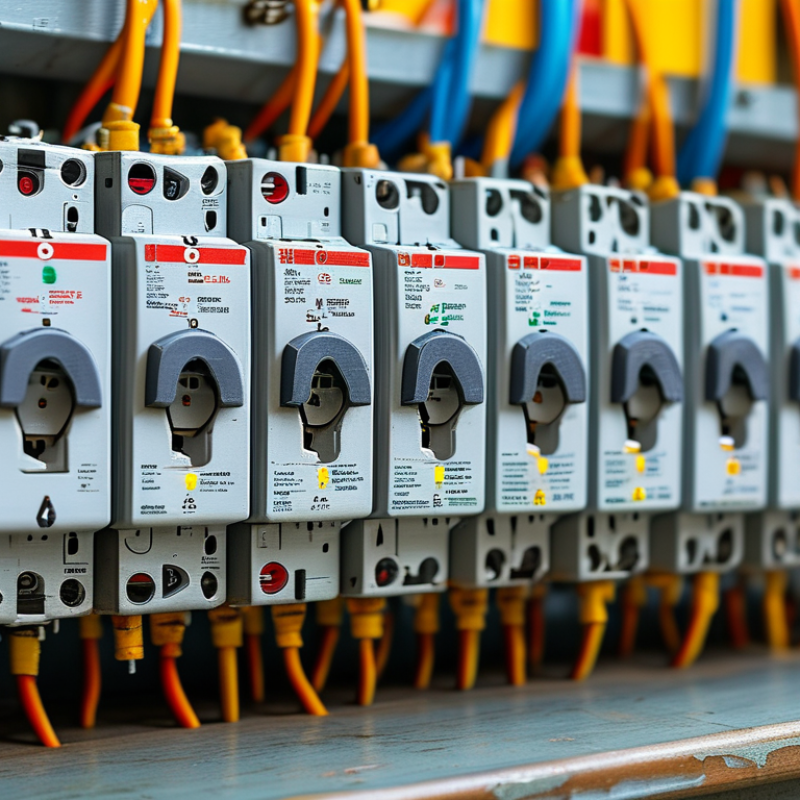
2026 How to Choose the Best 125amp MCCB for Your Needs?

Understanding the Basics of 125 Amp MCCBs

When selecting a 125 amp MCCB, understanding the basics is crucial. An MCCB, or Molded Case Circuit Breaker, protects electrical circuits from overloads and short circuits. It acts as a reliable safeguard for both residential and industrial applications. Knowing its ratings, features, and installation requirements is the first step in making an informed choice.


Let’s consider the key features of a 125 amp MCCB. The current rating is essential, but other aspects matter too. For instance, the breaking capacity indicates how much fault current it can handle. An inadequate breaking capacity can lead to failures. Additionally, consider the environment where it will be installed. Conditions like humidity or temperature might affect the MCCB’s performance.

While many may overlook these details, they are critical to ensuring reliability. A poorly chosen MCCB can lead to safety hazards. It's essential to balance cost and quality. Investing more upfront can prevent costly failures later. Reflect on your specific needs. Every installation differs, and what's best for one may not suit another. Prioritize due diligence in researching your options.

Key Specifications to Consider When Selecting MCCBs

When selecting a 125amp MCCB, key specifications play a vital role. Start with the rated current. Ensure it matches your system's needs. A slightly higher rating provides a safety buffer. For instance, if your load fluctuates, this extra capacity can be crucial.

Next, look at the breaking capacity. This rating indicates how much fault current the MCCB can handle. A higher breaking capacity is essential in industrial settings. It protects your equipment and reduces downtime. Consider environmental factors, too. Some MCCBs are better suited for extreme temperatures or damp conditions.

Finally, evaluate the tripping mechanism. Some MCCBs offer adjustable settings. This feature allows for customization based on specific applications. It's a benefit but requires careful calibration. A poorly set trip may lead to nuisance tripping or inadequate protection. Emphasizing these specifications can help prevent costly mistakes.

Evaluating the Application Environment for MCCB Choosing

When choosing a 125amp MCCB, understanding the application environment is crucial. Each environment presents unique challenges that influence performance. For example, consider whether the installation area is damp or dusty. In wet environments, corrosion resistance becomes essential. It’s important to select an MCCB with adequate protection ratings to ensure longevity.

Also, assess the temperature conditions. High temperatures can cause thermal stress, potentially affecting the MCCB's reliability. A choice that works well in a temperate setting might fail in extreme heat. Compatibility with existing systems is another consideration. Check current ratings and potential load fluctuations to ensure optimal functioning. Miscalculations can lead to failures, which might result in costly downtimes.

Remember to evaluate future expansion needs. Will your electrical load increase over time? Choosing a slightly higher capacity MCCB can save costs in the long run. Yet, selecting an excessively rated breaker could lead to performance inefficiencies. The right choice balances current needs with future demands, fostering a reliable electrical system.

Comparing Different Brands and Models of 125 Amp MCCBs

When comparing different brands and models of 125 Amp MCCBs, it is essential to consider several factors. The performance, reliability, and design of each model can vary significantly. A 2022 industry report noted that up to 30% of MCCB failures are attributed to subpar quality in circuit breaker components. This emphasizes the need to evaluate brands based on their manufacturing standards and history.

Pricing also plays a critical role in your decision. Typically, higher-quality MCCBs might come at a premium. However, this investment can pay off in longevity and reduced maintenance costs. Reports suggest that over 40% of electrical issues in commercial setups are directly linked to age and quality of circuit breakers.

Tip: Always check for the latest product certifications. Ensure that the MCCB meets the standards of your local electrical codes.

Moreover, power ratings and interrupting capacities are vital metrics to analyze. Different applications may require varying levels of protection. For example, a facility with high inrush currents might need models that absorb these spikes effectively.

Tip: Review user feedback and technical specifications. Understanding real-world experiences can guide you better than promotional content.

While many options exist, not all will meet your unique requirements. Take the time to compare specifications, real-life performance, and user reviews. Reflect on what features align most with your needs.

Maintenance and Operation Tips for MCCB Longevity

Maintaining your 125amp MCCB is crucial for its longevity and performance. Regular inspection is key. Check for signs of wear or damage. Look closely at connections. A loose connection can lead to overheating and failure. Keeping the MCCB clean from dust and debris enhances its efficiency. Dust can hinder the operation.

One important tip is to test the MCCB periodically. Schedule tests every six months. Monitor operating temperatures closely. High temperatures can indicate underlying issues. If temperatures are consistently high, it may be time for a professional inspection.

Training personnel on proper operation is essential. They should understand how the MCCB works. Encourage them to report unusual sounds or odors. These can signal problems that require immediate attention. Regular training fosters respect for equipment and promotes safety. End users often overlook small details that lead to larger issues. Consider implementing a checklist for daily checks. This simple habit can catch potential failures early.

2026 How to Choose the Best 125amp MCCB for Your Needs? - Maintenance and Operation Tips for MCCB Longevity

Criteria Description Importance Level
Rated Current Select an MCCB with a current rating that matches your application needs. High
Breaking Capacity Ensure the MCCB can handle fault currents without damage. High
Type of MCCB Choose between thermal magnetic and electronic MCCBs based on application. Medium
Tripping Characteristics Select the appropriate tripping mechanism for your system. High
Physical Size Consider the MCCB dimensions for your installation space. Medium
Temperature Rating Ensure the MCCB can tolerate the operating environment temperatures. Medium
Standards Compliance Verify if it meets relevant industry standards and local codes. High
Warranty Period Check the warranty offered for assurance of product quality. Low

Article Source: