
For over 50 years, we have dedicated ourselves to providing Industry with best in class wire management solutions and to helping solve mission critical issues.

The needs of today’s schools and universities are changing fast. When it comes to anticipating and meeting those needs, MonoSystems is in a class of its own.
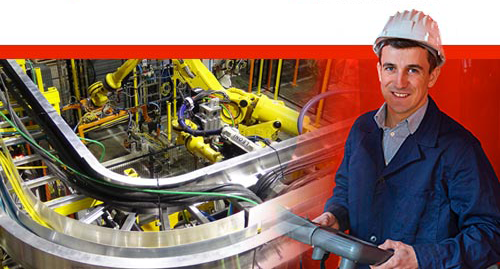
For the past five decades, we’ve made it our business to offer more value to our partners, which in turn provides greater value to their customers.
Choosing the right Connectors & Clamps is crucial for any project. These components play an essential role in ensuring stability and security. It can be overwhelming given the variety of options available in the market. Every type serves a specific purpose, and understanding these purposes is vital.
When evaluating connectors & clamps, consider factors like material and load capacity. High-quality materials enhance durability. For instance, stainless steel clamps resist rust better than plastic. Yet, cost can also be a deciding factor. You may be tempted to choose cheaper options. However, this often leads to failures.
It’s important to reflect on your project's unique requirements. Are you working in a wet environment? Corrosion-resistant connectors & clamps are a must. Gathering user reviews can also provide valuable insights. They often reveal the real-world performance of different brands. Always take the time to research and assess your needs. This prudent approach will lead to better choices in connectors & clamps.
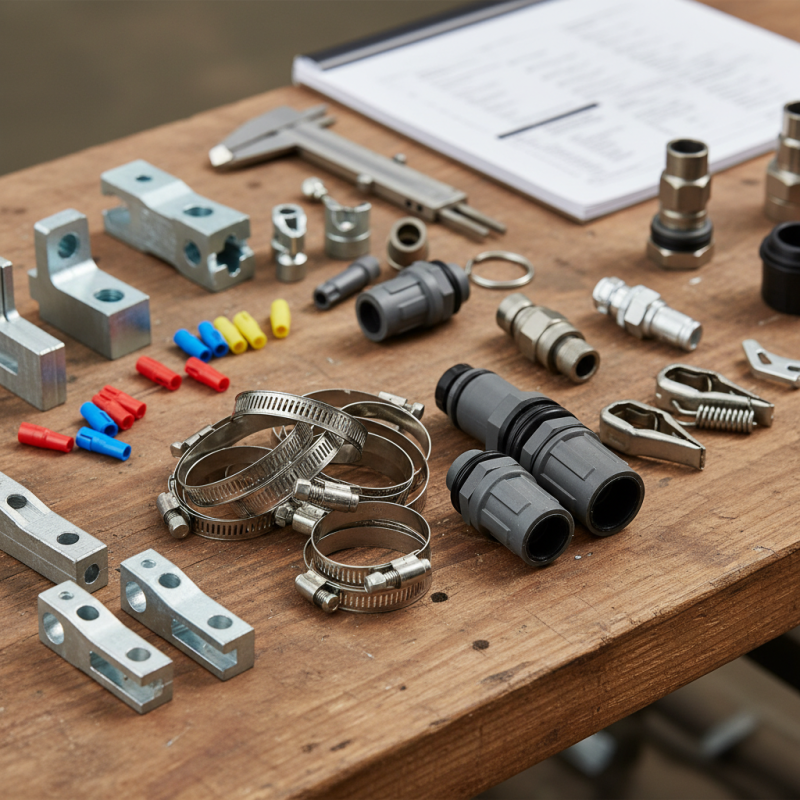
When selecting connectors and clamps, understanding their types is crucial. Connectors can be classified into several categories: electrical, mechanical, and fluid connectors. Each type serves specific functions. For example, electrical connectors ensure reliable transmission of signals and power. They are widely used in various industries, with a market size expected to reach $82 billion by 2026, according to industry reports.
Mechanical connectors, on the other hand, focus on joining components together. They often include fasteners like screws and bolts. In the construction sector, mechanical connectors account for a significant portion of assembly costs. The efficiency of assembly directly impacts project timelines and budgets. Companies must consider the right connector type to avoid delays and additional costs.
Clamps, used to hold components in place, come in various forms. The choice between a C-clamp and a hose clamp depends on the application. Reliability in holding power can vary based on materials and designs. A study by the National Institute of Standards and Technology shows that misaligned components can lead to operational failures. This highlights the need for thorough evaluations during selection.
When selecting connectors and clamps for your application, there are key factors to consider. The material choice is crucial. Common materials include plastic, metal, or silicone. Each offers varying levels of durability and resistance. For instance, metal connectors may provide better conductivity but could be prone to rust if exposed to moisture.
Next, evaluate the size and compatibility. Connectors come in different sizes, so matching them with your components is essential. Oversized connectors can hinder performance, while undersized ones may lead to failures. It’s worth noting that misalignment can cause significant issues in the long run. Lastly, consider the environmental conditions. If your application involves extreme temperatures or exposure to chemicals, ensure that your chosen connectors can withstand such conditions without degrading.
Lastly, don’t overlook the importance of certifications. Reliable connectors are often tested for safety and efficiency. However, sometimes certifications can be confusing or misleading. Always verify their authenticity. Also, consider the ease of installation. Complex connectors may require special tools, which can be a logistical challenge. Balancing these factors can help you make an informed decision, reducing risks in the application process.
When considering connectors and clamps, material compatibility is essential. Metals and plastics are two primary categories used in various applications. Each material has unique properties that impact performance and longevity.
Metals, such as stainless steel and aluminum, offer strength and durability. They withstand extreme temperatures and harsh environments. According to a recent industry report, 75% of manufacturers prefer metal connectors for industrial applications due to their reliability. However, metal connectors may corrode over time, particularly in humid conditions. This factor necessitates regular maintenance and inspection.
On the other hand, plastics like nylon and polypropylene provide lightweight solutions. They resist corrosion and chemical exposure, making them ideal for marine and chemical applications. However, they may not handle extreme temperatures as well as metals. A study highlighted that 60% of engineers faced challenges with plastic connectors under high heat. Selecting the right material requires careful consideration of the specific requirements of your application. Each option has pros and cons that should be weighed for optimal performance.
When selecting connectors and clamps, understanding electrical ratings and load capacities is crucial. Safety and reliability hinge on these specifications. Proper assessment of these factors can prevent failures, which may lead to equipment damage or hazardous situations. According to the National Electrical Manufacturers Association (NEMA), connectors must match or exceed the expected current and voltage levels to ensure safe operation.
Tip: Always verify the ampacity ratings of connectors against your application's requirements. Under-rating connectors can cause overheating. Many experts recommend using connectors that exceed your maximum load by at least 20%. This creates a buffer for unexpected surges and extends longevity.
Load capacities are equally essential. A connector that handles 10 amps may not sustain even a modest increase. Continuous exposure to loads beyond rated capacity leads to degradation. A study by the Institute of Electrical and Electronics Engineers (IEEE) noted that improper use of connectors led to 30% of electrical system failures.
Tip: Consider environmental factors too. Temperatures, humidity, and vibration levels can affect a connector's performance. Ensure that the chosen clamps and connectors can withstand the specific conditions of your application. An informed choice improves both safety and efficiency.
| Connector Type | Electrical Rating (A) | Voltage Rating (V) | Load Capacity (W) | Materials | Applications |
|---|---|---|---|---|---|
| Terminal Block | 30 A | 600 V | 18,000 W | Plastic, Copper | Industrial machinery, Power distribution |
| Spade Connector | 15 A | 300 V | 4,500 W | Copper, Insulated plastic | Automotive, Home appliances |
| Ring Terminal | 20 A | 600 V | 12,000 W | Copper, Nickel plating | Electronics, Electrical panels |
| Butt Connector | 10 A | 300 V | 3,000 W | Copper, Heat shrink | Home wiring, Repair applications |
| Cable Clamp | N/A | N/A | N/A | Metal, Plastic | Structuring cables, Organization |
When selecting connectors and clamps, industry standards and certifications play a crucial role. They ensure the safety and reliability of the components you choose. Familiarizing yourself with these standards can prevent costly failures and enhance system performance. For example, connectors must often meet UL or IEC standards. These certifications signify that products have undergone rigorous testing for safety and reliability.
You should consider environmental factors too. Different certifications apply to heat, moisture, or chemical resistance. Choosing the right type can mean the difference between long-lasting durability and frequent replacements. Many users overlook these specifics. They might select based on price alone, ignoring quality markers.
Finding reliable suppliers is essential. Researching certifications can connect you with manufacturers committed to high-quality products. Don’t rush the process; take your time to understand your requirements and the available options. Testing samples can also help identify responsive performance. You may find some connectors underperform under stress. Reflecting on past experiences can guide better decisions in the future.