For over 50 years, we have dedicated ourselves to providing Industry with best in class wire management solutions and to helping solve mission critical issues.

The needs of today’s schools and universities are changing fast. When it comes to anticipating and meeting those needs, MonoSystems is in a class of its own.
For the past five decades, we’ve made it our business to offer more value to our partners, which in turn provides greater value to their customers.
Choosing the right wire mesh tray can make a significant difference in various industries. According to industry expert John Smith, "Selecting the right wire mesh tray enhances both efficiency and safety in the workplace." Understanding your specific needs is essential.
Wire mesh trays come in various sizes, materials, and designs. Each option serves a different purpose. Think about where and how you will use them. Will they support heavy items or lightweight components? This choice impacts durability and functionality.
It's important to reflect on your requirements. Many people overlook factors like load capacity and environmental conditions. A well-chosen wire mesh tray can improve organization and workflow. However, if you're unsure, seek advice from professionals. This helps ensure you make informed decisions that meet your needs.
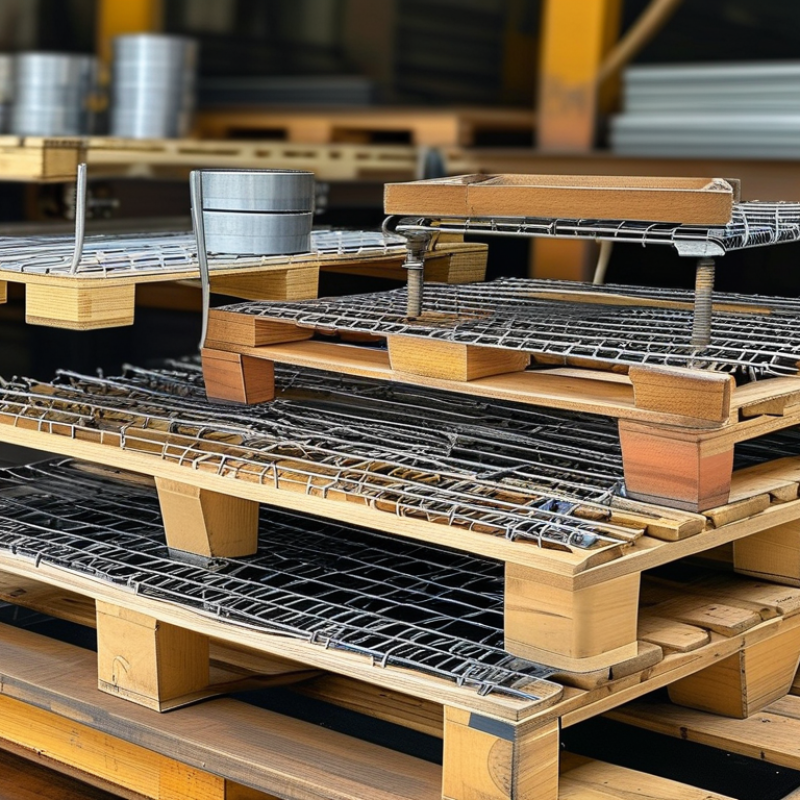
When selecting a wire mesh tray, it’s essential to understand the various types available in the market. Wire mesh trays are commonly categorized into welded wire trays, hinged wire trays, and stackable wire trays. Each type serves distinct purposes based on materials transported or stored. The type you choose significantly impacts durability and functionality.
Welded wire trays are robust and ideal for heavy items. These trays can withstand stress without deforming. In contrast, hinged wire trays offer a more versatile option, allowing easy access for frequent use. Stackable trays lend themselves well to space efficiency and organization, making them suitable for environments with limited room. According to industry reports, over 40% of facilities prefer stackable options for their flexibility and space-saving design.
Tips: When choosing a tray, consider the weight of your items. Choose a tray rated for heavier loads. Take time to assess your storage space. Ensure the tray aligns with your warehouse’s layout. Remember, a poorly chosen tray may lead to accidents or product damage, so make careful selections based on your specific needs.
| Type of Wire Mesh Tray | Material | Load Capacity | Dimensions (L x W x H) | Applications |
|---|---|---|---|---|
| Standard Wire Mesh Tray | Steel | 100 lbs | 24 x 12 x 4 inches | General storage |
| Heavy-Duty Wire Mesh Tray | Aluminum | 200 lbs | 30 x 18 x 6 inches | Warehouse use |
| Small Parts Wire Mesh Tray | Plastic Coated Steel | 50 lbs | 18 x 9 x 4 inches | Workshop organization |
| Stackable Wire Mesh Tray | Galvanized Steel | 150 lbs | 24 x 12 x 5 inches | Inventory storage |
| Custom Wire Mesh Tray | Stainless Steel | Varies | Customizable | Specialty applications |
When selecting wire mesh trays, specific applications play a crucial role. First, consider the materials you will store. Reports suggest that trays made of stainless steel can withstand harsh environments and resist corrosion. This makes them ideal for food processing and chemical industries. On the other hand, mild steel trays are more affordable but may require protective coatings in humid conditions.
Another factor to ponder is the load capacity. It's vital to match the wire mesh tray's weight limit with your needs. Many trays come with specifications detailing load capacities. For instance, a tray that supports up to 200 pounds is suitable for heavy equipment. In contrast, lighter trays are adequate for organizing small parts or components, but they may sag under heavier loads.
Tips: Always evaluate the method of mounting. Some wire mesh trays offer flexible installation options. Consider how you will support the trays and access your items. Additionally, think about the cleanliness requirements. For environments needing hygiene, choose trays that are easy to clean or have a smooth surface to reduce dust accumulation. Remember, the right selection can save costs and enhance efficiency.
Choosing the right wire mesh tray involves understanding material compatibility. The environment in which these trays will be used plays a crucial role. For instance, stainless steel is excellent for humid or corrosive settings. It's durable and won’t rust easily. On the other hand, aluminum trays are lightweight and suitable for less demanding conditions. Think about where you plan to use the tray before making a decision.
Consider the specific materials you will place in the tray. Will they be heavy or lightweight? Are they prone to corrosion? This affects your choice significantly. A mismatch in materials can lead to decreased performance or even failure. If you store chemicals, you might need reinforced trays that can handle these substances without degradation.
Tips: Always check the maximum load capacity of a tray. This avoids potential damage. Consider your environmental conditions as well. Hot, cold, dry, or wet environments will dictate the right choice. Balance your needs with the available options, and don’t hesitate to ask for professional advice. It’s better than trying to figure it out later.
When selecting a wire mesh tray, size and design are crucial for ensuring optimal functionality. A well-sized tray accommodates items without overcrowding. According to the National Facilities Management and Technology report, correctly sized trays can increase productivity by up to 20%. This is vital in industrial settings, where accessibility influences workflow.
Design considerations also play a significant role in functionality. Various mesh patterns change airflow and visibility. A tighter mesh may support smaller items but could restrict airflow. In contrast, a looser design enhances ventilation but may not secure items as effectively. Observing current standards set by the American Society for Testing and Materials can guide appropriate choices.
It's important to evaluate specific needs carefully. For instance, a tray that is too small may lead to overpacking, risking damage to both items and the tray itself. Moreover, incorrect designs might compromise stability. Regularly reviewing tray effectiveness is essential. Being receptive to feedback can help in making necessary adjustments. Taking the time to navigate size and design intricacies will ultimately improve a workspace.
When choosing a wire mesh tray, the cost and quality are crucial considerations. A low price can be tempting, but it often comes at the expense of durability. Cheaper trays might rust or fail under heavy loads. Therefore, investing in higher-quality options may save money in the long run.
It's essential to evaluate the materials used in the tray's construction. Stainless steel offers strength and resistance to corrosion. On the other hand, coated steel can be less expensive but may not hold up over time. Think about the specific needs of your project. Do you need a tray for outdoor use? Consider the environmental factors that can impact both cost and quality.
Additionally, reflect on your long-term goals. Will this tray be a temporary solution, or is it a long-term investment? Sometimes, spending more now can prevent costly replacements later. Ask yourself about your expectations regarding performance and aesthetics. Aim for a balance that meets both your budget and your project requirements.