How to Choose the Best 90 Degree Street Elbow for Your Project?
When embarking on a project that requires plumbing or HVAC work, choosing the right fittings is essential. The 90 degree street elbow is a common component. Its design allows for a smooth change in direction, helping to navigate tight spaces efficiently. However, selecting the best one for your needs can be challenging.
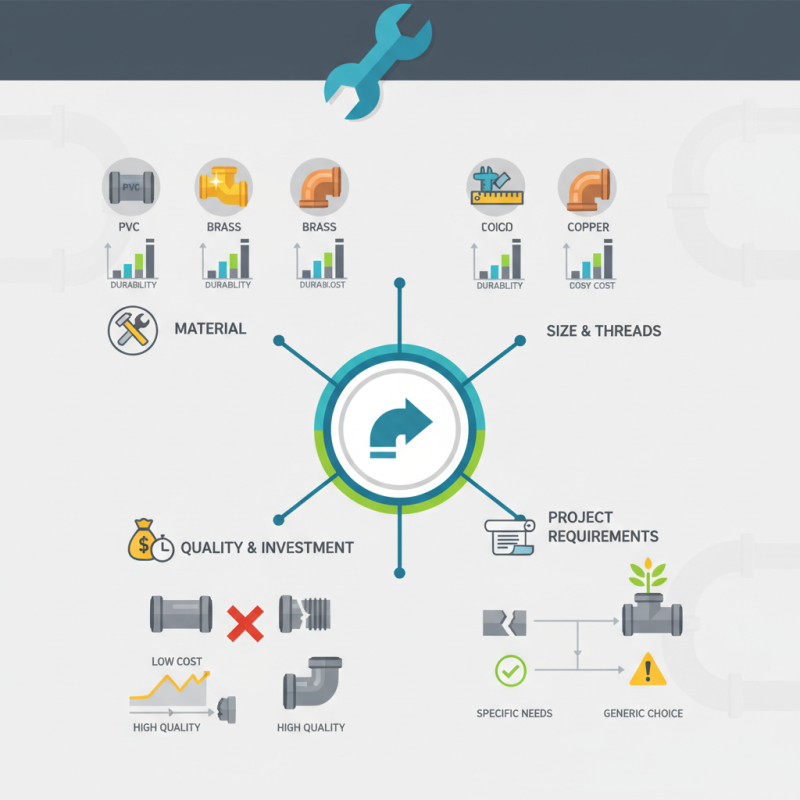
There are many factors to consider when choosing a 90 degree street elbow. Material is crucial; options may includePVC, brass, and copper. Each material has its own advantages and drawbacks. High-quality fittings tend to last longer but may require a higher investment. You might question if the extra cost is worth it in the long run.
Additionally, not every elbow is created equal. Variations in size and threads can lead to compatibility issues. It's not always easy to find the perfect match. Recognizing the specific requirements of your project will help avoid unnecessary complications. Ultimately, the right 90 degree street elbow can make a significant difference in the success of your installation.
Types of 90 Degree Street Elbows and Their Applications
When selecting a 90-degree street elbow, understanding its various types is essential. Street elbows are crucial in plumbing and drainage systems. They help redirect flow effectively. There are typically two main types: standard and reducing elbows. Standard elbows maintain the same diameter throughout. They are perfect for applications where a consistent pipe size is used. Reducing elbows, however, transition between different pipe sizes. Choose these when connecting pipes of varying diameters.
Each type has specific applications. Standard elbows suit residential plumbing and irrigation systems. They offer easier installation and fewer potential leaks. Reducing elbows are often used in industrial settings. They accommodate pressure changes and different flow rates. In some cases, the choice may not be clear. Factors like material compatibility and environment play significant roles. Sometimes, projects can benefit from a combination of both types.
Reflect on the potential challenges. Sometimes, a standard elbow may not fit the available space. In such instances, a reducing elbow may work better. However, this could lead to increased costs and installation complexity. Always weigh the pros and cons carefully. The right choice improves system efficiency. But monitoring for leaks or pressure drops remains necessary.
How to Choose the Best 90 Degree Street Elbow for Your Project?
| Type of Street Elbow | Material | Application | Diameter (inches) | Pressure Rating (psi) |
| 90 Degree PVC Street Elbow | PVC | Drainage and Waste | 2 | schedule 40 |
| 90 Degree Copper Street Elbow | Copper | Water Supply | 1 | 1000 |
| 90 Degree Stainless Steel Street Elbow | Stainless Steel | Industrial Piping | 3 | 1500 |
| 90 Degree Galvanized Steel Street Elbow | Galvanized Steel | HVAC Ducting | 4 | 1000 |
| 90 Degree Cast Iron Street Elbow | Cast Iron | Sewer Systems | 6 | 250 |
Material Considerations for Selecting a 90 Degree Street Elbow
When selecting a 90-degree street elbow, material choice is crucial. Different materials offer varying levels of durability and resistance. Common options include PVC, copper, and stainless steel. Each has its pros and cons. PVC is lightweight and resistant to corrosion. However, it may not withstand high temperatures. Copper offers excellent conductivity and durability but can be more expensive. Stainless steel provides a balance of strength and corrosion resistance, ideal for outdoor use.
Consider the specific application of the elbow. For example, in plumbing, PVC is often preferred due to its ease of installation. However, in industrial settings, stainless steel is favored for its robustness. It's important to evaluate the conditions the elbow will face. Variable environments challenge material longevity. A material that works well in one scenario might fail in another.
Sometimes, project needs change after planning. An elbow that seemed suitable at first may not fit later. Flexibility in material choice is vital. Being aware of the potential for unforeseen issues can guide better decisions. Always assess the long-term implications of your chosen material. This can save time and resources down the line.
Factors Influencing Size and Compatibility of Street Elbows
Choosing the right 90-degree street elbow is crucial for ensuring compatibility and reliability in your plumbing or HVAC project. Several factors influence the size and compatibility of street elbows. One of the primary aspects to consider is the diameter of the pipe. Ensure the elbow matches the inner diameter of your piping system to maintain consistent flow.
Material type also plays a significant role. Different materials, such as PVC, copper, or stainless steel, have various durability and temperature tolerance. When selecting materials, think about the specific environment where the elbow will be used. For example, choosing a material that can withstand extreme temperatures or corrosive substances is essential.
Tips: Always double-check the specifications before making a purchase. Sometimes, mismatches occur due to overlooked details. When in doubt, consult with a professional for guidance. Additionally, consider that tight spaces may require particular elbow styles or a custom fit. This can lead to complications if precise measurements are not taken. Taking time to evaluate these factors can save you from frustrating setbacks in your project.
Installation Tips and Best Practices for 90 Degree Street Elbows
When selecting a 90-degree street elbow, installation is crucial. Ensure you have the right tools. According to industry surveys, improper installation accounts for nearly 30% of plumbing failures. This highlights the need for proper techniques.
Start by measuring the pipe accurately. This prevents misalignment. A well-placed elbow allows for smooth flow. Use a level to ensure each connection is straight. If connections aren’t secure, leaks may occur. The average industry leak can waste over 10,000 gallons a year.
Be mindful of the materials. Different applications demand different options. Plastic may suffice for drainage, while metal is better for high-pressure systems. Check for compatibility. One report indicated that mismatched materials lead to a 25% increase in failure rates. Always follow best practices to enhance durability and efficiency in your project. Consider these details seriously; they can save time and costs in the long run.
Common Mistakes to Avoid When Choosing Street Elbows
When choosing a 90-degree street elbow, many make common mistakes. One frequent error is overlooking the material. Different materials, like PVC or metal, have unique properties that affect durability. Using the wrong type can lead to leaks and failures. It's essential to match the elbow's material with the existing piping system.
Another common mistake is not considering the elbow's radius. A tighter turn can restrict flow and increase pressure. This can affect the entire plumbing system’s efficiency. Inspect the specifications to ensure the right fit for your project. Many forget to check the size compatibility, which is crucial for proper installation.
People often rush the decision-making process. They may choose based on cost alone, ignoring quality and long-term performance. It’s important to reflect on what truly matters. Balancing cost with reliability can prevent costly repairs later. Take time to research and consult with professionals if needed. This ensures a better outcome for your project.