How to Choose the Best Wire Cable Tray for Your Needs?

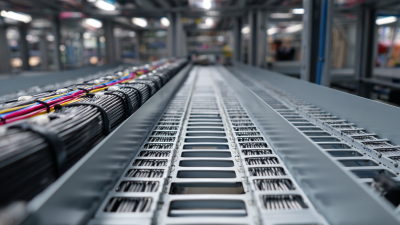
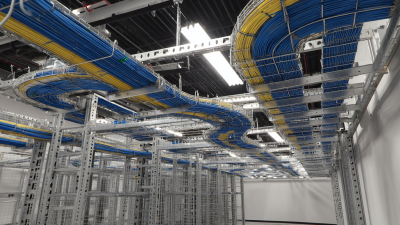
When selecting the best wire cable tray, several factors come into play. A wire cable tray is essential for organizing and protecting electrical wiring. Its proper selection ensures safety and efficiency in various types of installations.

Understanding your specific needs is crucial. The right wire cable tray should fit your project requirements. Consider the material, load capacity, and environmental conditions. Each tray type offers unique advantages. Choose one that aligns with the intended use of your wiring system.

It's easy to overlook details in this decision-making process. Sometimes, the focus on cost overshadows quality. Investing in a reliable wire cable tray can save you from future headaches. A well-chosen tray minimizes downtime and enhances system performance. Always weigh the options carefully, and don’t hesitate to ask experts for advice.
How to Choose the Best Wire Cable Tray for Your Needs?

Understanding the Different Types of Wire Cable Trays Available

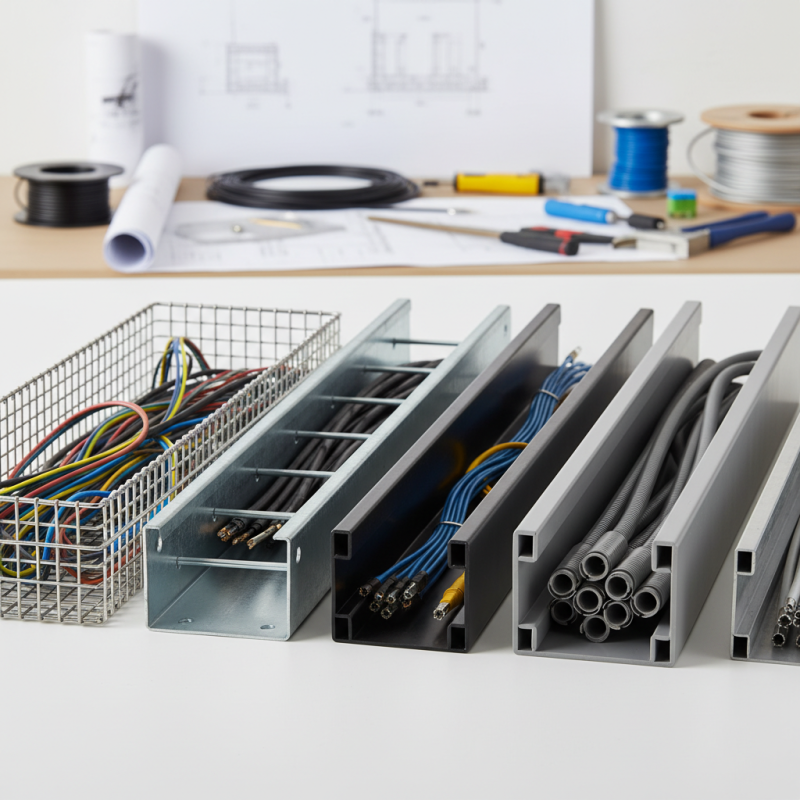
Choosing the right wire cable tray starts with understanding the various types available. There are several options, each designed for specific applications. Solid bottom trays offer additional support and protection for cables. They prevent dust accumulation. Cable trays with perforated bottoms allow for better ventilation. This is crucial in environments where heat buildup is a concern.

Another option is ladder-type cable trays. They are lightweight and easy to install. Ladder trays can carry heavier loads but may offer less protection against environmental factors. The choice of materials is also important. Steel trays provide durability, while aluminum options are lighter and resistant to corrosion.

Looking at different installation needs is vital. For outdoor use, weather-resistant materials may be required. Indoor applications might need trays with better aesthetic appeal. When selecting a tray, think about future expansions. Is your cabling going to grow? This consideration can save time and money later on. Evaluate your environment and specific needs carefully. It's easy to overlook small details that can impact overall performance.

Assessing Your Project's Requirements for Wire Cable Trays

How to Choose the Best Wire Cable Tray for Your Needs?

When assessing your project's requirements for wire cable trays, start with understanding the environment. Consider the location where the trays will be installed. Will they be indoors or outdoors? The weather can greatly impact material choice. For indoor use, moisture levels and temperature variations matter. Outdoor installations require weather-resistant materials.

Think about the weight and size of the cables. Are you dealing with heavy power lines or lightweight data cables? This decision affects the tray's load capacity. Additionally, look at the expected cable growth over time. You may need extra space for future expansions, so planning for flexibility is vital.

**Tips:** Always check local codes and regulations. Compliance ensures safety and reliability. Evaluate the tray's accessibility for maintenance. Hard-to-reach areas could lead to additional costs down the line. Don’t overlook installation ease. A complicated setup can delay your project timeline and increase labor costs. Reflect on these aspects for a more efficient installation process.

Evaluating Material Options for Durability and Performance

When selecting a wire cable tray, the material choice significantly impacts long-term durability and performance. Common materials include steel, aluminum, and fiberglass. Steel offers strength but can corrode when exposed to moisture. Aluminum is lighter and resistant to rust, making it ideal for various environments. Fiberglass, while not as commonly used, excels in chemical resistance and is often favored in industrial settings.

Understanding these materials is crucial. Steel trays may require protective coatings to enhance their lifespan in humid areas. Aluminum’s natural oxidation can be advantageous, as it creates a protective layer. However, it may not handle extreme loads as well as steel. Fiberglass, while resistant to harsh chemicals, may be less durable under mechanical stress. Reflecting on your specific needs is essential. Evaluating your environment allows for a more informed decision.

Incorrect material choice can lead to premature failures, unexpected costs, and safety hazards. It’s wise to assess not only the mechanical and environmental conditions but also the weight load and installation location. Misjudgments in these areas can affect performance. A well-chosen tray not only supports safe cable management but can also prolong the lifespan of your installation.

How to Choose the Best Wire Cable Tray for Your Needs? - Evaluating Material Options for Durability and Performance

Material Durability Weight Capacity Corrosion Resistance Cost
Steel High Heavy-duty Moderate $$
Aluminum Medium Moderate High $$$
Fiberglass Medium Light-duty Very High $$$$
PVC Coated Medium Moderate High $$$

Key Factors to Consider When Selecting Wire Cable Tray Accessories

Choosing the right wire cable tray accessories is crucial for efficient cable management. Start by considering the material of the tray. Steel, aluminum, and fiberglass each offer unique benefits. Steel is strong, while aluminum is lightweight. Fiberglass is corrosion-resistant, ideal for harsh environments.

When evaluating size, measure your cables and installation space. A tray that is too small may strain cables, causing damage. Conversely, an oversized tray may lead to unnecessary costs. Look for accessories that aid airflow; this helps prevent overheating.

Here are some tips:
- Ensure that the tray includes proper fittings for corners and bends.
- Think about future expansions. Will you need more space later?
- Look for accessories that can accommodate various cable types. This versatility can save time and effort.

Many users underestimate the importance of cable organization. A tangled mess can lead to difficulties during maintenance. Reflect on your workflows and plan ahead. Although there may be many options, clarity in your needs will guide your choice.

Wire Cable Tray Selection Factors

Installation Guidelines and Best Practices for Wire Cable Trays

How to Choose the Best Wire Cable Tray for Your Needs?

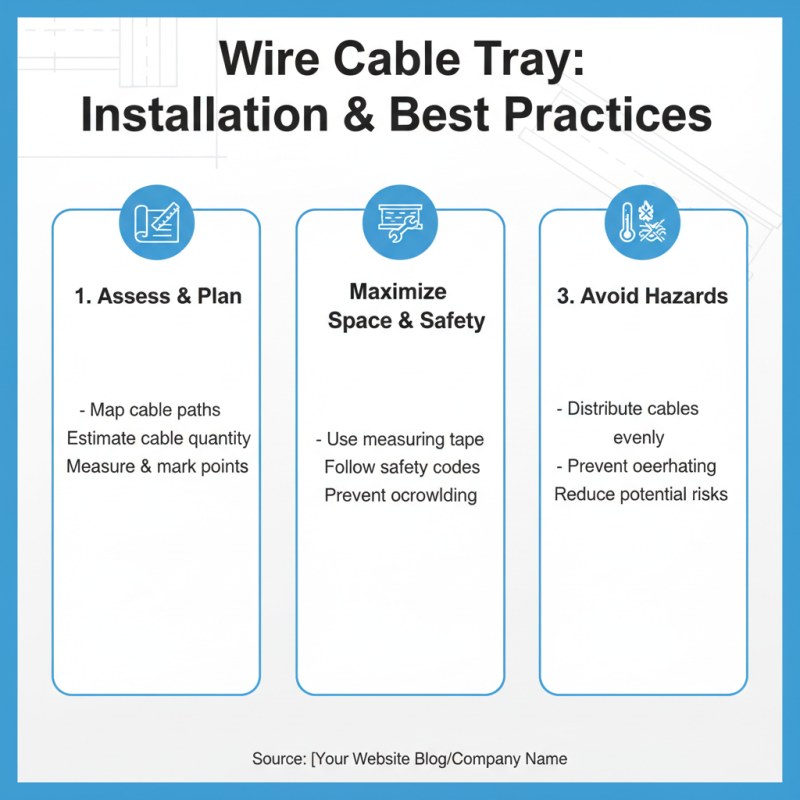
When installing wire cable trays, precision is key. Start by assessing your facility's layout. Consider where the cables will run and how many you need to accommodate. Use a measuring tape to mark the installation points. This ensures you maximize space while maintaining safety codes. Avoid cluttering trays, as it leads to overheating or potential hazards.

Proper support for the trays is crucial. Use brackets and hangers specified for the cable tray size and weight. Ensure they are evenly spaced to prevent sagging. At intersections, secure cables tightly to prevent movement during maintenance. It's essential to keep an eye on installation mistakes. Misaligned trays can lead to long-term complications. Regular inspections can mitigate these risks.

Ensure all installations comply with local regulations. Using the correct materials and techniques adds reliability to your installation. Pay attention to venting requirements for heat dissipation. If you overlook this, it can cause significant issues later. Each installation offers a learning opportunity, so document your process for future reference. Encourage feedback from colleagues to identify areas for improvement.