
How to Choose the Right DC Charging Connector for Your Needs?

Choosing the right Dc Charging Connector is crucial for electric vehicle (EV) users. With various options available, understanding each type is essential. A DC charging connector delivers fast charging for your EV, reducing downtime. Not all connectors fit every model, so knowing your vehicle's requirements is vital.

Consider the specific charging standards and compatibility issues. Different manufacturers have diverse connector designs, which can complicate the selection process. You might find yourself puzzled by which connector suits your needs best. Moreover, charging infrastructure varies between regions, further adding to the complexity.

Investing in the correct DC charging connector can significantly improve your EV charging experience. A poorly chosen connector can lead to longer charging times or even connection failures. It’s important to weigh the pros and cons of each option carefully. Quality and reliability should guide your decision.
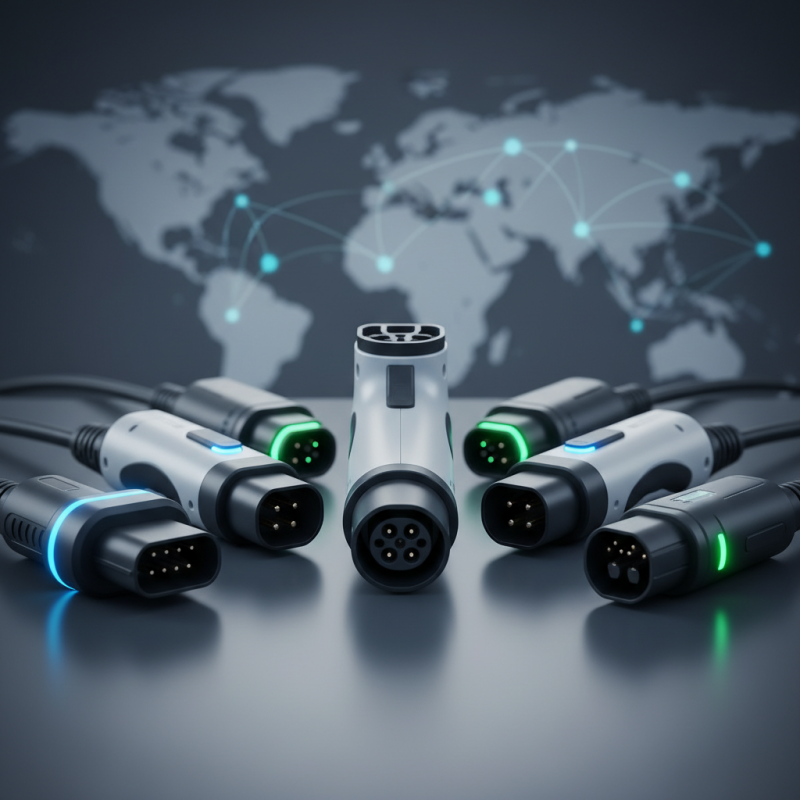
How to Choose the Right DC Charging Connector for Your Needs?

Understanding Different Types of DC Charging Connectors Available

When selecting a DC charging connector, understanding the types is vital. Common options include CCS, CHAdeMO, and Tesla connectors. Each type has unique attributes. For instance, CCS connectors are standard in Europe and North America. They allow fast charging, which is crucial for electric vehicle owners on the go. Meanwhile, CHAdeMO is popular in Japan, known for its reliability and efficiency.

Connector compatibility is essential. Not all adapters work seamlessly with different vehicles. A user might face challenges if their vehicle supports only one type. Sometimes, vehicles can require an adapter for different systems. Researching compatibility before making a purchase is crucial. Charging speed varies too. Some connectors deliver higher outputs than others, affecting charging time. Users should assess their needs.

It's easy to overlook small details. For example, the cable length might seem trivial, but it impacts convenience. Choosing a connector that fits well with your charging station is also important. An improperly chosen connector may lead to frustrations or require additional investments. Reflection on your specific charging habits can guide better choices. Each choice should align with personal preferences and goals, ensuring a satisfying charging experience.

Evaluating Your Electric Vehicle's Compatibility with Charging Connectors

When evaluating your electric vehicle's (EV) compatibility with DC charging connectors, it's essential to understand the different standards available. Various connectors serve distinct vehicle models. Make sure to check your EV's manual for specifications. This will help you identify which connectors are compatible with your model.

Inspect your charging port carefully. Some EVs might support multiple connector types. For example, certain models may accept both CHAdeMO and CCS connectors. Understanding these nuances can prevent frustration during charging.

Tips: Always consult your vehicle's documentation. It holds critical information about charging standards. Research local charging infrastructure. Not all areas have the same availability of connector types.

Also, consider future-proofing your choice. EV technology evolves quickly. Selecting a connector that supports upcoming standards may benefit you later. Evaluate your driving habits and needs, too. Knowing your typical charging locations can guide your decision.

Adopting a thoughtful approach to choosing a connector can foster a more seamless charging experience. Stay informed and be proactive. Your charging journey should empower your electric vehicle experience.

Assessing Charging Speed and Power Requirements for Your Needs

When selecting a DC charging connector, understanding the charging speed and power requirements is crucial. Data from the International Energy Agency (IEA) indicates that fast chargers deliver power levels ranging from 50 kW to 350 kW. These numbers show a significant range, impacting how quickly an EV can charge. For example, a 150 kW charger can charge a vehicle from 20% to 80% in about 30 minutes. This efficiency is appealing, especially for fleet operators who prioritize time.

However, not all users need this high-speed charging. Daily commuters may find that Level 2 chargers, typically offering around 7.2 kW, suit their needs better. Reports suggest that about 70% of electric vehicle owners predominantly charge at home. This information can lead to overspending on fast charging technology that may rarely be used. It’s essential to assess how often and where charging will take place.

Power requirements also depend on the vehicle type and battery capacity. Electric vehicles with larger batteries may support higher power charging. But mismatched connectors can reduce charging efficiency or even damage the vehicle. Understanding these variables helps one make informed decisions while minimizing the risk of costly mistakes.

Considering Safety Standards and Regulations for DC Charging Connectors

When considering the right DC charging connector, safety standards and regulations play a crucial role. Each region may have specific requirements that ensure safe operation and user protection. Familiarize yourself with the safety certifications relevant to your area. This will help you choose connectors that comply with local laws and industry standards.


For those new to electric vehicle charging, safety should always come first. Look for connectors with features like overcurrent protection, temperature controls, and waterproof ratings. These elements not only enhance safety but also extend the lifespan of your equipment.


Tip: Ensure the connectors are built from durable materials. They should withstand harsh environments. Monitor connector wear over time. Replace them as needed to prevent failures.


Understanding the different connector types is also essential. Some are designed for high voltage systems while others are not. Misusing a connector can pose severe risks. Engage with professionals to verify your choices. This ensures compliance with safety protocols.

Exploring Future Trends in DC Charging Connector Technology

The future of DC charging connector technology is promising yet complex. As electric vehicles (EVs) gain popularity, the demand for efficient, fast, and safe charging solutions increases. Emerging trends indicate a move towards standardization, which may simplify the charging process for users. However, achieving universal compatibility remains a challenge. Different regions, vehicles, and charging networks may still have varying requirements, making it critical for consumers to stay informed.

One area to watch is the development of smart charging solutions. These offer real-time communication between EVs and charging stations. This capability can optimize charging times and energy costs. Moreover, advancements in plug design, such as lightweight materials and ergonomic features, aim to enhance user experience. Yet, with all these innovations, proper education on how to use these connectors efficiently becomes essential. Misunderstandings can lead to complications when connecting.

Additionally, safety continues to be a major concern. As charging speeds increase, the risk of overheating or electrical faults may rise. Therefore, ongoing research into safety mechanisms is crucial for future technology. Users must balance the excitement of new features with an understanding of potential risks. Being proactive in learning about these changes will empower consumers to choose the right DC charging connectors for their unique needs.