
For over 50 years, we have dedicated ourselves to providing Industry with best in class wire management solutions and to helping solve mission critical issues.

The needs of today’s schools and universities are changing fast. When it comes to anticipating and meeting those needs, MonoSystems is in a class of its own.

For the past five decades, we’ve made it our business to offer more value to our partners, which in turn provides greater value to their customers.
Choosing the right M12 Connector Cable can be a pivotal decision for many industries, from automation to transportation. As a leading expert in the field, Dr. Emily Carter emphasizes, "Selecting the appropriate M12 Connector Cable is crucial for ensuring device reliability and operational efficiency." This insight underscores the importance of understanding your specific needs.
In an ever-evolving market, the diversity of M12 Connector Cables is remarkable. Each type comes with unique specifications that cater to various applications. However, navigating these options can feel overwhelming. Companies may find themselves uncertain about the best choice. It's essential to consider factors like cable length, housing material, and the environment in which the cable will be used.
Many professionals overlook these details, leading to potential issues later on. The right M12 Connector Cable not only improves performance but also can significantly reduce maintenance costs. Reflecting on your choices is key. Understanding your operational needs will ultimately guide you in selecting the optimal cable for reliable connections and efficient results.
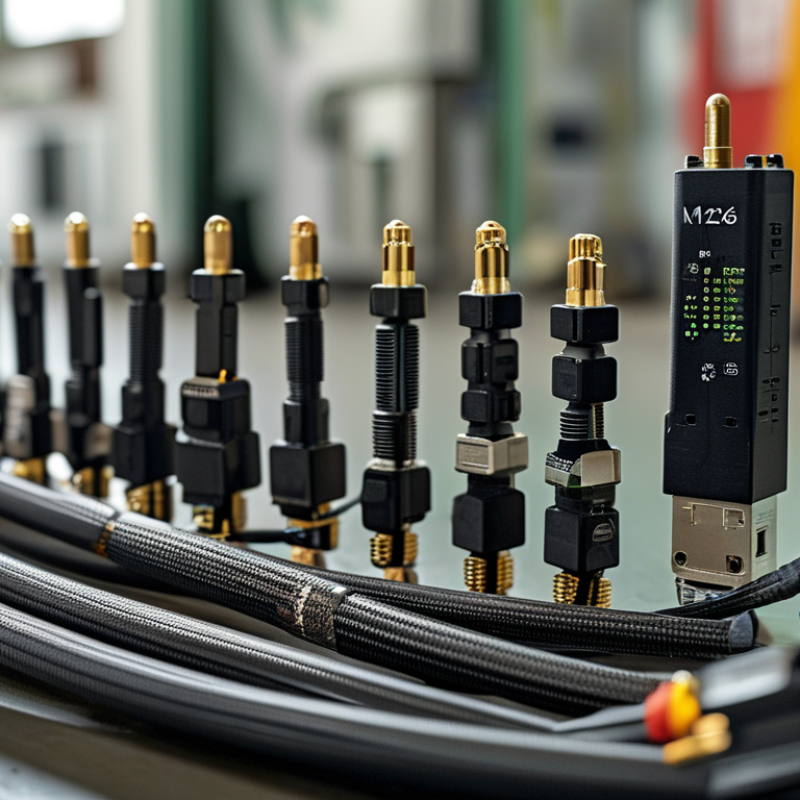
M12 connector cables are widely used in industrial, automotive, and automation applications. They offer robust connectivity in environments with high vibrations and moisture. Understanding the types of M12 connector cables is crucial for selecting the right one for specific needs.
These cables come in various configurations, such as A-coded, B-coded, D-coded, and X-coded. The coding determines their application. For instance, A-coded cables are often used for sensors, while D-coded types are commonly used for networking. Selecting the right coded connector matters greatly for functionality.
Pay attention to factors like cable length and material. Shorter cables minimize signal loss, while flexible materials improve installation in confined spaces. Choosing an inappropriate cable can result in performance issues. Reflecting on your specific requirements can lead to more effective decisions.
Choosing the right M12 connector cable requires careful consideration of various factors. Start by assessing the application environment. Is it indoors or outdoors? Exposure to moisture or dust can influence the cable's insulation requirements. Look for cables rated for specific environmental factors, ensuring they fit your project’s needs.
Next, consider the specifications of the equipment. The number of pins in the connector is crucial. M12 connectors come in different configurations. Select one compatible with your devices. Additionally, check the cable length to avoid signal loss. A longer cable may introduce interference, impacting performance.
It's also important to think about budget constraints. While high-quality cables often cost more, cheaper options may lead to issues. Weigh the benefits against potential long-term costs. Reflection on past experiences can guide future choices. If a lower quality option previously caused failures, this may influence your decision today. Choosing an M12 connector cable is a blend of practicality and informed judgment.
Choosing the right M12 connector cable involves careful evaluation of various specifications. Start by assessing the environmental conditions where the cable will be used. Consider factors such as temperature ranges, humidity levels, and exposure to chemicals. These details can impact the cable's performance and longevity.
Another critical aspect is the cable's gauge and length. Thicker cables can handle higher current, but may be less flexible. If space is limited, a thinner cable might be necessary, even if it poses some limitations in power capacity. Finding a balance between flexibility and durability is crucial here.
Evaluate your specific application thoroughly; what works for one scenario may not suit another.
When selecting M12 connector cables, it’s vital to evaluate the brands available in the market. Different manufacturers use varying materials, impacting flexibility and durability. High-quality cables often utilize robust insulation, while lower-end options may compromise on these aspects. Checking the specifications can reveal essential information about the temperature ratings and compatibility with your devices.
Quality should also be assessed through customer feedback. Reviews can highlight both performance and reliability. It’s common to find mixed opinions which can be confusing. Consider focusing on long-term users, as their experiences offer better insight. Availability of technical support can also be a sign of a reliable brand. This means that should issues arise, support is readily available.
Design and build quality matter too. Some cables may appear durable but fail under strain. A reliable M12 connector cable should withstand regular usage without wear and tear. Always look for certifications that indicate adherence to industry standards. This is essential in confirming that the cable will meet your specific needs. The choice ultimately hinges on balancing quality with budget, an often tricky endeavor.
| Specification | Brand A | Brand B | Brand C |
|---|---|---|---|
| Connector Type | M12 A-Coding | M12 B-Coding | M12 D-Coding |
| Cable Length | 1 meter | 2 meters | 5 meters |
| Material | PVC | TPE | PUR |
| IP Rating | IP67 | IP68 | IP65 |
| Temperature Range | -25 to 85 °C | -40 to 90 °C | -20 to 75 °C |
| Price (Approx.) | $15 | $20 | $18 |
When it comes to installing M12 connector cables, attention to detail is crucial. Start by ensuring that the connectors are clean and free from dust or debris. Dirty connectors can lead to unreliable connections. Inspect the cable for any visible damage. Such issues can affect performance and safety. Always use the appropriate tools for installation, as improper handling can compromise the integrity of the cable.
For maintenance, regularly check the connections. Loose or corroded connections can lead to failures. It's wise to employ a routine inspection schedule. This makes addressing issues easier before they escalate. Documenting the condition of the cables can provide insights into their lifespan. However, be prepared for surprises, and maintain flexibility in your maintenance plan. Creating a balance between routine checks and the unpredictability of cable performance is important for reliability.