
For over 50 years, we have dedicated ourselves to providing Industry with best in class wire management solutions and to helping solve mission critical issues.

The needs of today’s schools and universities are changing fast. When it comes to anticipating and meeting those needs, MonoSystems is in a class of its own.
For the past five decades, we’ve made it our business to offer more value to our partners, which in turn provides greater value to their customers.
In today's fast-paced industrial landscape, the role of an Industrial PC cannot be overlooked. These robust machines are designed to withstand harsh environments while performing complex tasks. With their unique features, Industrial PCs are essential for various businesses, from manufacturing to logistics.
An Industrial PC offers reliability and performance. They handle data processing, automation, and control systems efficiently. Many companies rely on these systems to monitor production lines and manage inventory seamlessly. However, choosing the right Industrial PC requires careful consideration. Factors include the operating environment and specific application needs.
While Industrial PCs promise enhanced productivity, they are not a one-size-fits-all solution. Businesses must evaluate their requirements critically. There may be hidden costs in maintenance and integration. Thus, understanding the true potential of an Industrial PC is key to unlocking its benefits for your business.
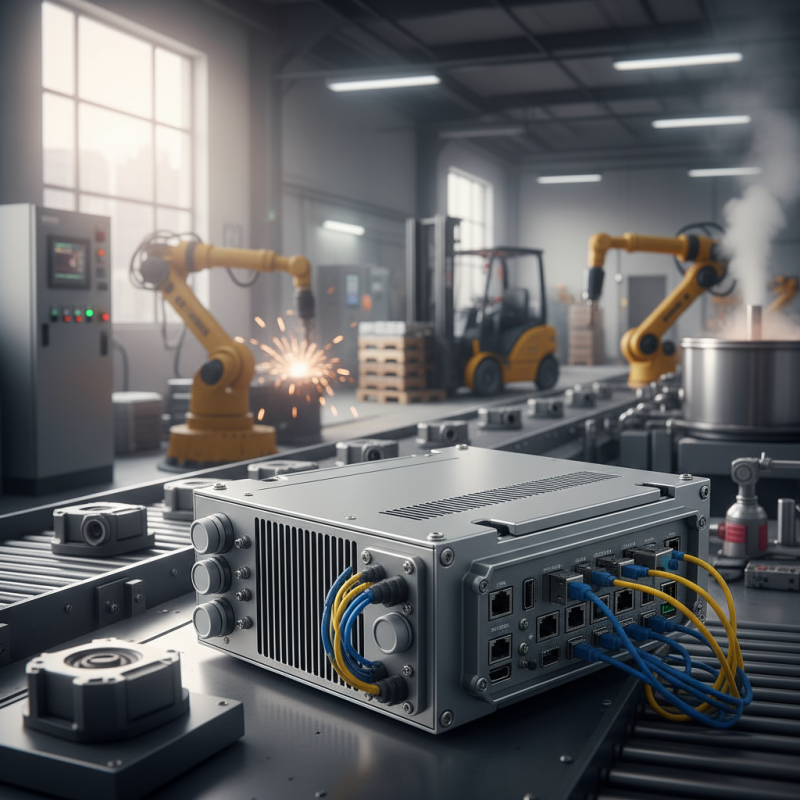
Industrial PCs are specialized computing devices designed for harsh environments. They differ significantly from standard PCs, offering enhanced durability and reliability. An industrial PC operates efficiently in extreme temperatures, vibrations, and exposure to dust or moisture. According to a 2022 industry report, over 70% of enterprises in manufacturing and automation sectors rely on these systems for critical applications.
Key characteristics of industrial PCs include fanless designs and robust enclosures. These features protect against overheating and physical damage. Many models also support multiple communication protocols, ensuring seamless integration with existing systems. A study by research firm MarketsandMarkets indicates that the global industrial PC market is expected to reach $6 billion by 2026, reflecting their growing importance.
**Tips:** Choose an industrial PC that meets your specific operational demands. Look for units with extendable I/O ports for future upgrades. Ensure warranty and service options are available, as these can significantly affect total costs in the long run. Regular checks and maintenance can prevent unexpected failures, saving time and resources in critical applications.
| Characteristic | Description | Importance in Business |
|---|---|---|
| Durability | Designed to withstand harsh environments including extreme temperatures, humidity, and vibrations. | Reduces downtime and maintenance costs by operating reliably under challenging conditions. |
| Longevity | Built for long-term use with a lifecycle often exceeding 5-10 years. | Minimizes the need for frequent upgrades, saving budget and resources. |
| Customizability | Can be tailored to meet specific industrial applications and configurations. | Enhances operational efficiency by aligning with unique business processes. |
| Connectivity | Supports various communication protocols for seamless integration with industrial networks. | Improves data collection and monitoring, which are crucial for automation and decision-making. |
| Energy Efficiency | Designed to consume less power while maintaining performance. | Reduces operational costs and contributes to sustainability goals. |
Industrial PCs (IPCs) differ significantly from standard PCs. These machines are built to operate in challenging environments. They can withstand extreme temperatures, dust, and vibrations. According to a recent report by MarketsandMarkets, the industrial PC market is projected to reach USD 5.2 billion by 2025, highlighting their growing importance in various industries.
Standard PCs typically prioritize performance and aesthetics. They are designed for a controlled office setting. In contrast, IPCs focus on stability and longevity. They often feature fanless designs, which reduce noise and prevent dust accumulation. A study from Grand View Research indicates that the demand for IPCs in manufacturing industries is driving innovations in durability and efficiency. This is evident in their ability to operate continuously for years without maintenance.
Another key difference is in connectivity. IPCs support a range of industrial protocols like MODBUS and CANBus. These protocols enable seamless communication between machines on the factory floor. On the other hand, standard PCs struggle with such tasks. As industries move towards automation, the need for reliable IPCs has become even more critical. Industry reports suggest that firms investing in IPCs see a 20% increase in productivity due to reduced downtime and improved process control.
Industrial PCs have become crucial in modern business environments. Their robustness and reliability are unmatched. For instance, a recent industry report highlights that 70% of businesses using industrial PCs see a significant reduction in downtime. This is vital in sectors like manufacturing and logistics, where every minute costs money.
The benefits extend beyond durability. Industrial PCs often have superior processing power, enabling them to handle complex applications. Data from a 2022 market analysis shows that companies adopting these systems improve operational efficiency by up to 30%. Such performance enhancements can be transformative, particularly for businesses looking to stay competitive.
However, not all organizations fully utilize the potential of industrial PCs. Some struggle with integration into existing systems. Others underestimate the importance of ongoing maintenance and updates. Recognizing these challenges is critical. Implementing industrial PCs effectively requires thoughtful planning and training to maximize their benefits.
Industrial PCs serve a vital role in various sectors. Factories often rely on them for process control. These systems can withstand harsh environments like extreme temperatures and dust. They ensure machinery runs smoothly, helping to avoid costly downtime.
In transportation, Industrial PCs manage logistics and track shipments. Their robust design enhances reliability in real-time data processing. In healthcare, they support patient monitoring systems, enabling immediate access to critical information, improving patient care.
These versatile systems also play a role in the retail sector. They streamline inventory management and enhance customer service. However, challenges remain. Businesses must ensure that these PCs are updated regularly to protect against cybersecurity threats. Regular maintenance helps sustain their performance and longevity.
When considering an Industrial PC for your business, performance is a key factor. These devices often run on specialized software and need to handle demanding tasks. Look for models that offer robust processing power and sufficient memory. The right specifications can significantly affect your operations. Stability is essential in a factory environment, where downtime can cause losses.
Another important aspect is durability. Industrial PCs are designed to withstand harsh conditions. Factors like temperature ranges, dust, and moisture should be evaluated. Some units might not be rated for extreme conditions, leading to potential failures. Choose a model that can operate reliably in your work environment, as unexpected breakdowns result in costly interruptions.
Support is also critical when selecting an Industrial PC. Assess the manufacturer's customer service and warranty options. Deciding based solely on specifications might lead to challenges down the line. A strong support system ensures you have assistance when issues arise. Identifying the right balance between features, durability, and support can be a complex process that demands careful consideration.