What Is an LNG Exchanger and How Does It Work?
An Lng Exchanger is the quiet core of the liquefaction process. It removes heat from natural gas until the stream reaches approximately −160°C. At that temperature, methane becomes a compact liquid. The equipment must manage severe temperature differences, high pressure, and continuous flow. A small leak can reduce efficiency, contaminate refrigerant circuits, or create serious operational risks.
John C. Mak, a recognized LNG technology specialist, has described the main cryogenic heat exchanger as “the heart of the LNG plant.” His observation explains its importance. The exchanger does not simply transfer heat. It coordinates cold energy, refrigerant performance, metallurgy, pressure control, and plant reliability. Common designs include aluminum plate-fin units and spiral-wound heat exchangers. Their internal passages may be narrow, layered, and difficult to inspect directly.
Industry data shows why this equipment matters. GIIGNL’s 2024 Annual Report recorded global LNG trade at about 404.3 million tonnes in 2023. The International Energy Agency also identified strong LNG demand and expanding liquefaction capacity in its Gas 2024 report. More LNG requires dependable exchangers, not merely larger plants. Yet the picture is not perfect. Efficiency calculations often assume clean surfaces and stable operating conditions. Real facilities face vibration, impurities, uneven distribution, and changing feed-gas quality. Even a polished design can underperform in practice. This article explains how an Lng Exchanger works, where heat moves, and why maintenance decisions affect every tonne of LNG produced.
LNG Exchangers: Purpose and Role at −162°C
What Is an LNG Exchanger and How Does It Work?
LNG Exchangers: Purpose and Role at −162°C
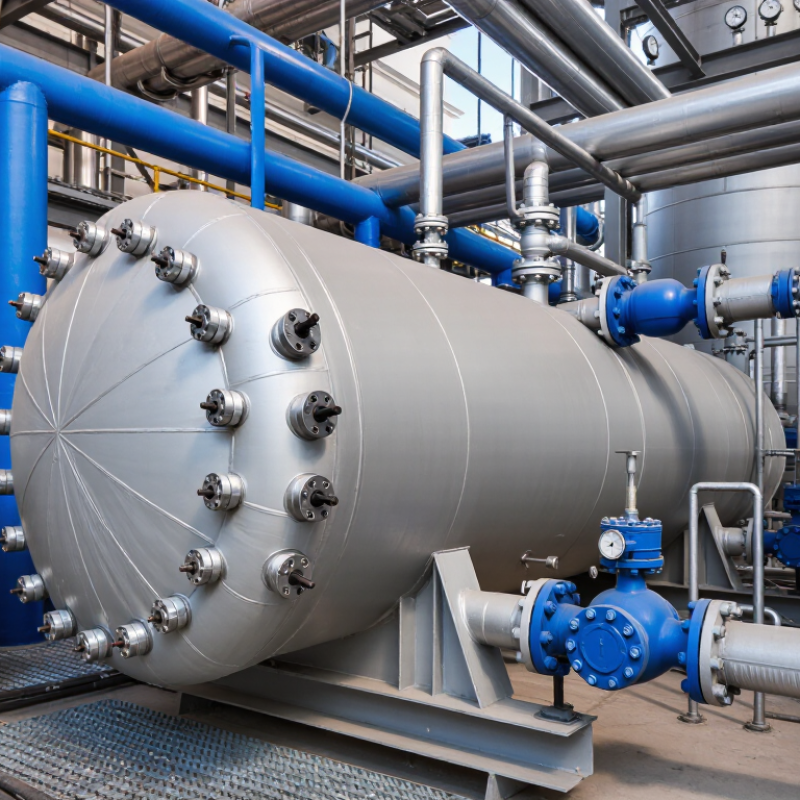
An LNG exchanger transfers heat between fluids without allowing them to mix. At about −162°C, natural gas becomes a clear, extremely cold liquid. In a regasification terminal, warmer seawater, air, or another heating medium raises the LNG temperature. The liquid then expands into gas for controlled delivery. In a liquefaction plant, the process reverses. The exchanger removes heat from natural gas until it reaches cryogenic conditions. Metal contraction is significant at this temperature. Engineers therefore use suitable alloys, careful stress calculations, and layered insulation. Even small thermal leaks can increase energy demand and create local frost.
Tips: Check temperature differences, pressure readings, insulation, and drain paths during inspections. Watch for unusual vibration or uneven frosting.
Reliable operation depends on clean heat-transfer surfaces and stable flow. Blockages can reduce performance, while rapid temperature changes may stress welds and supports. Operators usually warm equipment gradually before maintenance. This protects seals and reduces thermal shock. Real facilities are less perfect than diagrams suggest. Sensors drift, weather changes, and flow rates fluctuate. That is why independent alarms, routine testing, and documented operating limits matter. A design may look efficient on paper, yet field data should challenge its assumptions.
Main Types: Plate-Fin, Spiral-Wound, and Shell-and-Tube Designs
An LNG exchanger transfers heat while keeping cryogenic fluids safely separated. LNG arrives near -162°C, so material choice and thermal stress control are critical. The GIIGNL 2024 Annual Report recorded global LNG trade at about 404 million tonnes in 2023. That scale increases demand for compact, dependable exchanger systems.
Plate-fin exchangers use stacked aluminum sheets and finned passages. They offer high heat-transfer efficiency, low weight, and a small footprint. These strengths suit liquefaction and compact regasification modules. However, narrow passages can react badly to contamination or uneven flow. Operators must protect the exchanger with filtration and careful cooldown procedures.
Spiral-wound exchangers use helically wound tubes inside a shell. Their large heat-transfer surface handles substantial flow and reduces thermal stress through gradual temperature changes. They often fit large liquefaction services, where maintenance access needs serious planning. Shell-and-tube exchangers use tubes inside a larger vessel. They are heavier, but robust, inspectable, and familiar to many plant teams. The IEA’s Gas 2024 report highlights continuing LNG infrastructure expansion and stronger flexibility needs in gas markets. That makes operating reliability more valuable than laboratory efficiency alone.
No design wins everywhere. A plate-fin unit may save space, yet a shell-and-tube unit may survive rougher service. Spiral-wound equipment can perform impressively, but cleaning remains less convenient. A neat calculation can still miss vibration, ice formation, or operator error. Field inspections, verified process data, and conservative controls should guide the final selection.
How Feed Gas Is Cooled and Liquefied Through Heat-Transfer Stages
What Is an LNG Exchanger and How Does It Work?
How Feed Gas Is Cooled and Liquefied Through Heat-Transfer Stages
An LNG exchanger turns treated natural gas into a dense cryogenic liquid. The feed gas first passes through filters, separators, and dehydration units. Water must be removed before deep cooling begins. Otherwise, ice or hydrates can block narrow passages. The cleaned gas then enters a main cryogenic heat exchanger, often built with aluminum plates and fins. Cold outlet streams flow beside the warmer feed gas. Their temperature difference drives heat transfer without direct mixing.
The cooling process occurs in stages. Refrigerants remove heat progressively, while the gas temperature falls toward approximately minus 162°C. At this point, methane-rich gas becomes liquid. The volume can shrink about 600 times, according to the U.S. Energy Information Administration. That change explains LNG’s value for marine transport. The exchanger is not a perfect refrigerator. Heat leaks, pressure drops, and uneven flow reduce efficiency. Small temperature errors can also increase compressor power.
Operators monitor pressure, vibration, outlet temperature, and refrigerant composition continuously. Practical experience matters here. A clean exchanger performs differently from one with fouling or restricted channels. GIIGNL’s 2024 Annual Report recorded global LNG trade at roughly 404 million tonnes in 2023. That scale increases pressure for dependable heat-transfer design. Still, published performance figures need careful reading. Site altitude, feed composition, and ambient conditions can change results significantly.
How LNG Regasification Recovers Heat and Expands Gas by About 600:1
What Is an LNG Exchanger and How Does It Work?
An LNG exchanger transfers heat into liquefied natural gas during regasification. LNG arrives near -162°C, where natural gas remains a cryogenic liquid. The exchanger gradually warms it with seawater, ambient air, or a closed-loop heating fluid. Heat moves through metal tubes or plates. The LNG stays contained, while its temperature rises and its phase changes.
The volume change is the striking part. The U.S. Energy Information Administration reports that one unit of LNG becomes roughly 600 units of natural gas. GIIGNL industry data uses a similar conversion estimate. A cubic metre of LNG can therefore occupy about 600 cubic metres as gas under standard reference conditions. This is not simple pressure expansion. Vaporization creates most of the volume increase, while pressure control determines the delivery conditions.
In operation, engineers recover low-grade heat from seawater or process fluids instead of wasting it. A warmer exchanger surface reduces ice formation and improves vaporization stability. Operators monitor outlet temperature, pressure, flow rate, and tube-wall performance continuously. Small temperature errors matter.
The 600:1 figure is useful, but not fixed. Gas composition, reference temperature, and pressure can change the result. A design that ignores those details may look efficient on paper, yet perform poorly in service.
Key Performance Measures: Duty, Temperature Approach, Pressure Drop, and Efficiency
An LNG exchanger transfers heat between process streams to cool natural gas toward liquefaction. In practice, operators watch more than outlet temperature. They track four linked measures: duty, temperature approach, pressure drop, and efficiency. Duty is the heat transferred, commonly reported in kilowatts or megawatts. Falling duty can indicate fouling, reduced flow, or an unstable refrigerant balance. Temperature approach is the gap between hot-stream outlet and cold-stream inlet at the closest point. Smaller approaches usually improve thermal recovery. Yet they require larger exchange surfaces and tighter control. That trade-off is easy to underestimate.
Pressure drop shows how much pressure the streams lose while crossing channels or tubes. Excessive loss increases compressor power and may limit plant throughput. A low pressure drop is not automatically better; oversized passages can weaken heat transfer. Efficiency compares actual thermal performance with the available design potential. Engineers often review the log mean temperature difference, flow rates, and heat-transfer coefficient together. Field data matters. A clean trend from several operating hours is more useful than one impressive reading. Measurements can still mislead when sensors drift or flow meters are poorly calibrated.
Tips: Record duty and pressure drop at the same loads and ambient conditions. Check approach temperatures during start-up and steady operation. Inspect filters and strainers before blaming the exchanger. Keep a baseline, but question it when feed composition changes. I have seen a small pressure increase hide a larger loss in duty. That pattern deserves investigation, not a quick adjustment. A perfect balance is rarely achieved.