
For over 50 years, we have dedicated ourselves to providing Industry with best in class wire management solutions and to helping solve mission critical issues.

The needs of today’s schools and universities are changing fast. When it comes to anticipating and meeting those needs, MonoSystems is in a class of its own.
For the past five decades, we’ve made it our business to offer more value to our partners, which in turn provides greater value to their customers.
Choosing among China’s top Ball Valves manufacturers takes more than comparing prices. A polished stainless-steel body can look convincing on a factory floor; its pressure rating, seat material, and test records matter more in service. Buyers should check production capability, traceability, certifications, and after-sales support—not just catalogue claims.
Grand View Research estimated the global ball valve market at approximately USD 12.6 billion in 2023 and projected growth through 2030. These figures describe a broad global market, not China’s domestic output, and market estimates vary by scope and methodology. Still, they signal sustained demand across energy, water treatment, chemicals, and industrial processing. For a sourcing decision, the trend is context, not proof that any individual supplier is reliable.
R. W. Zappe, author of Valve Selection Handbook, emphasizes matching valve selection to operating conditions. That principle is easy to overlook. A valve intended for clean water may not suit abrasive slurry or frequent cycling. This guide compares Chinese manufacturers through practical criteria: product range, material options, quality controls, export experience, and technical support. No single ranking fits every project. Verify each supplier’s claims against documents and the actual service requirements before placing an order.
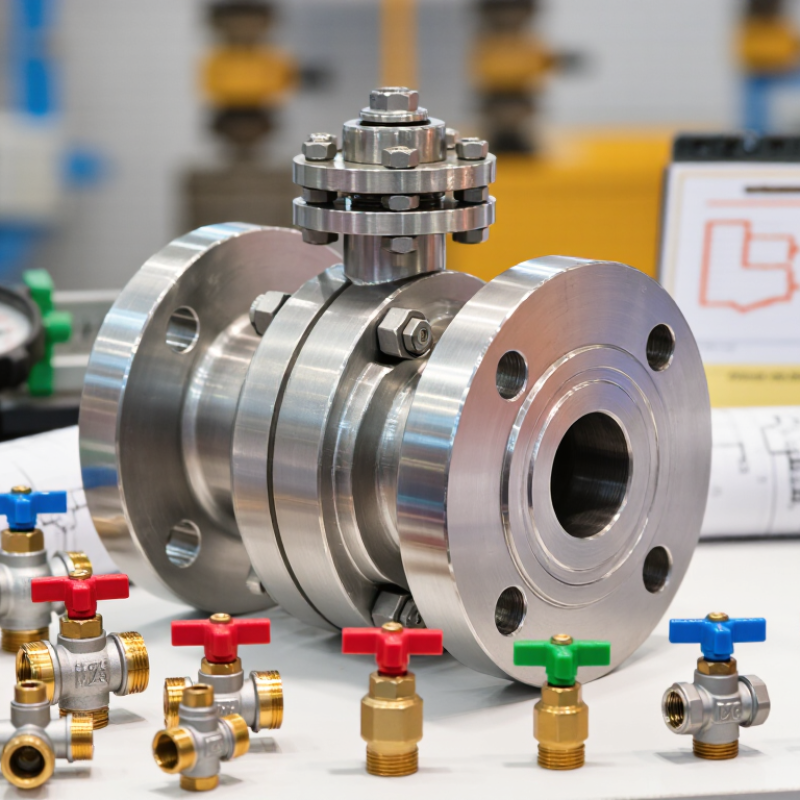
A leading ball valve manufacturer in China demonstrates control from raw material selection to final testing. It can explain why a valve suits a specific pressure, temperature, and fluid, rather than relying on a generic catalogue. Ask for material traceability, dimensional inspection records, and documented shell and seat tests. Clear answers matter. So do consistent results across production batches.
Tips: Share your operating conditions, including temperature swings and cycle frequency. Request test records for the exact valve design. Check that certificates match the materials and standards specified in your order.
Strong manufacturers also provide practical engineering support. They can discuss seat materials, body construction, stem design, and actuator requirements in concrete terms. Their quality process should define inspection steps and acceptance criteria, not just promise “high quality.” A factory visit or independent inspection may reveal how records connect to the finished valve. No checklist catches everything. Even a polished audit can miss small process gaps, so compare documentation with physical samples and test results. After-sales responsiveness matters too, especially when installation or maintenance questions arise.
Evaluating a Chinese ball valve manufacturer starts with the valve’s intended duty, not a catalogue photo. Confirm the media, pressure range, temperature, connection type, and operating frequency. These details help determine whether the body, ball, seats, and stem are suitable. A polished finish is useful, but it proves little by itself. Ask for material certificates and traceability records tied to the actual order.
Next, examine engineering controls and production evidence. Request drawings, dimensional inspection results, pressure-test procedures, and documented acceptance criteria. For critical service, check the applicable design and testing standards, then verify that test reports match the model and size. Review how the factory controls casting defects, machining tolerances, seat installation, and final assembly. Small variations matter: a rough ball surface can shorten seat life.
Quality also depends on what happens after inspection. Paperwork can look complete while shop-floor practice varies; a sample audit or independent inspection can help reveal gaps. No checklist removes every risk. Assess delivery consistency, spare-parts support, and responses to technical questions. Ask what happens when a test fails, not only what passes. A supplier may offer a competitive price yet be a poor fit if communication is slow or records are vague.
Major Chinese ball valve manufacturers generally include large industrial valve makers, specialist ball valve factories, and integrated producers with in-house machining and testing. Large manufacturers often serve energy, water, chemical, and building services projects. Specialist factories may focus on compact designs, stainless steel models, or automated valves. Integrated producers can offer tighter control over casting, assembly, and inspection.
Company size alone proves little. A supplier should provide clear material specifications, pressure-test records, and traceability for key components. Ask how it checks seat leakage and operating torque. A sample valve can reveal machining quality, handle movement, and finish more clearly than a catalogue. Capabilities vary, and online listings may not reflect current production. That matters.
Tips: Request a recent test report and confirm that its model matches the quoted valve. Check spare-part availability, delivery terms, and communication during technical review. One missed detail can delay installation.
| Comparison Dimension | Relevant Product or Standard | What Buyers Should Check |
|---|---|---|
| Pipeline ball valves | API 6D covers pipeline and piping valves, including ball valves. | Confirm the applicable edition, valve design, inspection requirements, and product-specific certification. |
| Metal ball valve design | API 608 and ISO 17292 specify requirements for metal ball valves in their respective scopes. | Check which standard applies to the service, end connections, pressure class, and valve construction. |
| Pressure-temperature rating | ASME B16.34 addresses valve design, materials, dimensions, testing, and pressure-temperature ratings. | Compare the specified material group and rating at the actual operating temperature; a class number alone is not a pressure value. |
| Body materials | Common specification examples include ASTM A216 WCB cast carbon steel and ASTM A351 CF8M cast stainless steel. | Verify the material grade against the service conditions and request material test documentation where required. |
| Forged components | ASTM A105 is a specification for forged carbon steel piping components; ASTM A182 includes forged or rolled alloy and stainless steel piping components. | Check the component-specific material callout on the drawing and purchase specification. |
| Fire testing | API 607 and API 6FA are fire-test standards for valves within their defined scopes. | Ask for test evidence for the relevant valve design and size range; do not assume every product is fire-tested. |
| Actuator mounting | ISO 5211 specifies attachment dimensions for part-turn actuators. | Confirm the mounting interface, required operating torque, and actuator compatibility. |
| End connections | Common options include flanged, threaded, socket-weld, and butt-weld ends. | Specify the connection standard and dimensions required by the piping system. |
| Valve configuration | Floating-ball and trunnion-mounted designs are common ball-valve configurations. | Select the design based on the specified size, pressure, operating conditions, and application. |
| Supplier evaluation | Product standards, inspection records, material traceability, and documented quality procedures. | Compare verified documentation and product-specific capabilities. Requirements vary by project; this table does not rank or certify manufacturers. |
Note: Standards and material specifications listed here describe recognized industry references, not claims about any particular manufacturer or product.
Leading Chinese ball valve manufacturers differ less by catalog size than by engineering focus. Some specialize in floating valves for general isolation, while others build trunnion-mounted designs for larger pipes and higher pressures. Metal-seated models suit abrasive service; resilient seats often provide tighter shutoff in cleaner applications. There are trade-offs. A valve that performs well on a water line may not suit hot, corrosive process media.
Industry experience shapes materials, sealing, and testing choices. Chemical plants may need corrosion-resistant alloys and carefully selected seat materials. Water-treatment projects often prioritize reliable shutoff, simple maintenance, and compatible coatings. Power facilities can require valves designed for elevated temperatures and pressure. Food processing adds demands for cleanable surfaces and suitable product-contact materials. Details matter.
Buyers can compare pressure-temperature ratings, material traceability, test documentation, and maintenance access. Ask how the design handles the actual fluid, operating cycle, and installation position. A polished catalog is not proof of fit. It can mislead. Even experienced suppliers may need clearer service data before recommending a configuration.
Choosing a Chinese ball valve supplier starts with the service conditions, not the catalogue. Define the fluid, pressure range, temperature, and cycle rate before requesting a quote. Then ask how the supplier selects body materials, seats, and stem designs for those conditions. Specific answers matter. Request drawings, material records, and test reports tied to the exact model and size. Sample documentation is not enough. Check that the stated valve dimensions and connection details match your pipeline drawings, especially when space is tight.
Ask how production batches are identified and what inspections occur before shipment. For demanding service, discuss shell and seat leakage tests, then confirm acceptance criteria in writing. Compare machining capability, realistic lead times, spare-part availability, and response times after delivery. A low price can conceal weak traceability or a long wait for replacement seats. Paperwork alone cannot prove consistent performance. If practical, inspect a sample or arrange an independent factory assessment. Suppliers differ, and a polished visit can still leave unanswered questions. Ask difficult questions, then note how clearly and consistently the team responds.
These are ASME class designations, not pressure values in psi. A valve’s allowable pressure depends on factors such as its material and operating temperature. When comparing suppliers, confirm the applicable pressure-temperature rating, valve materials, test requirements, and supporting documentation for your service conditions.
Reference: ASME B16.34, Valves—Flanged, Threaded, and Welding End.