For over 50 years, we have dedicated ourselves to providing Industry with best in class wire management solutions and to helping solve mission critical issues.

The needs of today’s schools and universities are changing fast. When it comes to anticipating and meeting those needs, MonoSystems is in a class of its own.

For the past five decades, we’ve made it our business to offer more value to our partners, which in turn provides greater value to their customers.
In the ever-evolving world of electrical installations, selecting the right cable tray systems is crucial. These systems support and protect electrical cables, ensuring efficient operation and safety. According to a recent report by Industrial Cable Solutions, the market for cable tray systems is projected to surpass $5 billion by 2026, highlighting their growing importance.
Industry expert John Mitchell emphasizes, “Choosing the right cable tray system can significantly impact installation costs and operational efficiency.” His insight reflects a common challenge faced by professionals in the field. Many contractors often overlook the details of cable management systems, leading to unnecessary expenses or safety hazards.
This article will explore ten cable tray systems that stand out in the market. Each option offers unique features tailored for different applications, catering to diverse project needs. By understanding these systems better, professionals can make informed decisions. The right choice can truly enhance project outcomes while minimizing risks.

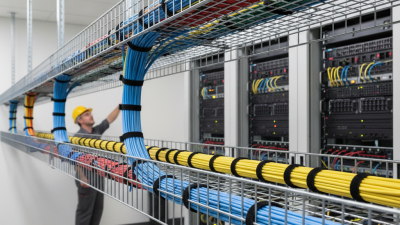
Cable tray systems play a vital role in modern construction and electrical wiring. They provide a safe and organized way to support various electrical cables. Proper installation of these systems ensures safety and efficiency in buildings. Without a well-designed cable tray, wires can become tangled and unsafe.
This organization reduces fire hazards and simplifies maintenance. A well-maintained cable tray allows easy access to cables for repairs or upgrades. Many engineers and electricians have faced challenges in the past due to poorly chosen systems. The importance of selecting the right type cannot be overstated. Different materials, such as steel or fiberglass, can greatly impact performance.
Understanding your project needs is essential. Consider load-bearing capacities and environmental conditions. If not carefully assessed, you might face costly issues later. Always seek expert advice to navigate various options. Choosing the right cable tray system is crucial for both safety and functionality. Modern solutions often include features that enhance durability and reduce wear.
When selecting cable tray systems, understanding the types of materials available is crucial. Common materials include steel, aluminum, fiberglass, and PVC.
Steel trays are robust and suitable for heavy loads. They offer durability in industrial settings but may require additional treatment to prevent rust. Aluminum trays, on the other hand, are lightweight and resistant to corrosion. They are ideal for environments where weight and resistance to moisture are priorities.
Fiberglass trays are known for their non-conductive properties. This makes them a good choice in electrical installations. They can withstand harsh chemicals and extreme temperatures. PVC trays are often used for low-voltage applications. They are easy to install and cost-effective, though not as strong as metal options.
Evaluate your specific needs when selecting a cable tray material. Consider factors such as load capacity, environmental conditions, and installation location. Each material has its strengths and potential drawbacks. Always weigh these elements against your project requirements. Some users find that mixing materials can optimize performance but may complicate the installation process. Careful planning avoids common pitfalls in system design.
When choosing a cable tray system, several key features stand out. Durability is crucial. Look for materials that resist corrosion and wear. This ensures a longer lifespan. A robust design can withstand heavy loads without sagging or breaking. Additionally, consider the tray’s weight capacity. Systems should be able to support the cables they will carry.
Another important aspect is ease of installation. A user-friendly design simplifies the setup process. Systems that come with clear instructions save time and frustration. Flexibility is also vital. A versatile design allows for adjustments and expansions. This helps accommodate future changes in cabling needs.
Finally, ensure compatibility with your current infrastructure. Customizable options can be of great help. They cater to unique requirements and enhance overall efficiency. It’s important to reflect on these features. What works today may not suffice tomorrow. Careful consideration will lead to better decision-making.
When choosing a cable tray system, understanding the leading options is crucial. Many factors determine the effectiveness of a cable tray. Materials, load capacity, and installation ease are significant considerations. The right system can enhance safety and manageability while reducing maintenance costs.
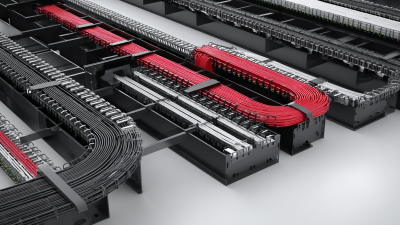
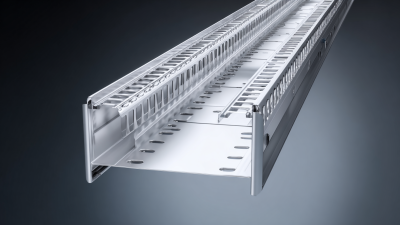
Some brands stand out due to their long-standing history and innovative designs. They offer various types, including ladder, raceway, and cable basket trays. Each type has unique advantages for different applications. For example, ladder trays are effective for large cable groups, while raceway trays offer a more enclosed solution. It's essential to evaluate how much weight your cables will add to avoid overloading.
One challenge customers face is differentiating the systems. Each brand might claim to be superior, making it hard to choose. Reviewing user feedback is vital. Real-life experiences reveal insights about durability and installation. Some systems might look great on paper but can fall short in practical applications. This unpredictability makes careful research important before making a final decision.
This bar chart represents a performance comparison of various cable tray systems based on their load capacity, material quality, and ease of installation. The data is designed to provide insights into the efficiency and reliability of these systems.
When installing cable tray systems, careful planning is crucial. Assess your specific needs based on the environment and type of cables being used. Choose a suitable material, such as steel or aluminum, to handle the weight and environmental factors. Proper sizing of the trays can prevent bottlenecks and ease future upgrades. Tight bends and sharp turns should be avoided as they can strain cables.
Maintenance plays a key role in the longevity of cable tray systems. Regular inspections can help identify wear or damage. Ensure that cables are neatly arranged within the trays. Cables that are overcrowded can lead to overheating or signal interference. It’s important to periodically clean debris or dust from the trays. Positioning the trays in accessible areas can simplify this maintenance task.
Documenting installation and inspection processes can enhance reliability. Creating a checklist for maintenance tasks can foster accountability. It's beneficial to review and update these processes regularly. Consider feedback from team members regarding installation challenges. This reflection can lead to improvements in future projects.