
For over 50 years, we have dedicated ourselves to providing Industry with best in class wire management solutions and to helping solve mission critical issues.

The needs of today’s schools and universities are changing fast. When it comes to anticipating and meeting those needs, MonoSystems is in a class of its own.

For the past five decades, we’ve made it our business to offer more value to our partners, which in turn provides greater value to their customers.
Cast Steel Gate Valves remain essential where pipelines require dependable isolation under demanding pressure and temperature conditions. They appear in refineries, power stations, water networks, and chemical processing plants. Their rising relevance reflects broader infrastructure investment, not fashion.
Grand View Research valued the global industrial valves market at approximately USD 77.1 billion in 2023. Its report projects a compound annual growth rate of about 4.8% from 2024 to 2030. Fortune Business Insights reported a different 2023 estimate, near USD 79.5 billion. These figures cover industrial valves broadly, rather than gate valves alone. Still, they indicate strong replacement and expansion demand.
The details matter.
A cast steel gate valve may sit beneath a hot pipe, surrounded by insulation, corrosion, and limited maintenance access. Material grade, pressure class, casting quality, trim selection, and installation practice can determine its service life. API 600 and ASME B16.34 remain important reference points for many industrial specifications.
Greg Johnson, a recognized valve-industry writer and former Valve Magazine editor, has emphasized, “A valve is only as reliable as the system in which it operates.” That practical observation deserves attention. Manufacturing quality cannot correct poor alignment, unsuitable actuation, or neglected inspection.
This guide compares leading Cast Steel Gate Valves manufacturers worldwide. It considers engineering capability, certifications, testing methods, delivery experience, and after-sales support. Public market data remains fragmented, and manufacturer claims are not always directly comparable. Buyers should verify certificates, test records, traceability, and operating references before selecting a supplier. That caution may seem slow. It can prevent costly failures.
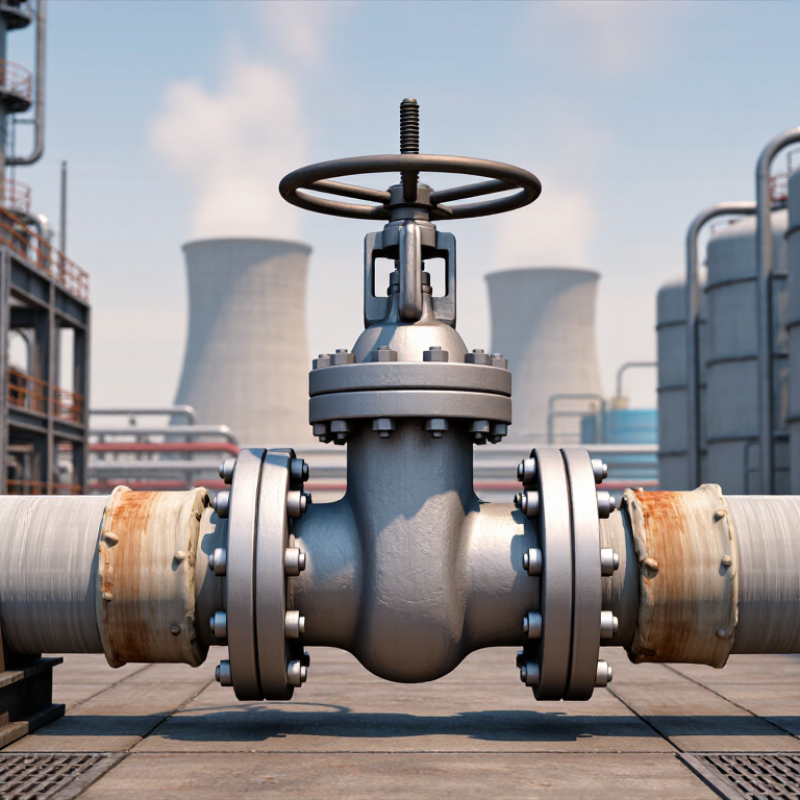
Cast steel gate valves control fluid flow with a wedge that moves vertically between two seats. When fully open, the gate creates a nearly straight flow path and limited pressure loss. Common designs include bolted-bonnet, pressure-seal, rising-stem, and non-rising-stem configurations. Carbon steel suits general oil, gas, and water service. Alloy and stainless grades handle higher temperatures or corrosive media. The design is robust, but not ideal for frequent throttling. Partial opening can damage sealing surfaces through vibration and erosion.
A 2024 Grand View Research assessment valued the global industrial valves market at about USD 78 billion in 2023. It also projects continued growth through 2030, supported by energy, water, and process infrastructure. That trend increases demand for traceable castings and documented testing. Reliable manufacturers should provide material certificates, casting inspection records, dimensional reports, and hydrostatic test results. API 600 and ASME B16.34 are common technical references for industrial gate valves. Quality varies more than brochures suggest.
In power plants, these valves isolate steam, feedwater, and cooling circuits. Refineries use them around high-pressure hydrocarbon lines and storage systems. Water facilities often select coated carbon-steel bodies for large-diameter isolation duties. Site experience matters. A valve may meet the standard yet fail prematurely because of poor alignment, unsuitable packing, or neglected maintenance. That uncomfortable detail deserves attention. Procurement teams should compare pressure class, temperature limits, seat materials, actuation requirements, and service history before ranking any manufacturer.
Cast steel gate valves are judged by standards, not polished catalogs. API 600 commonly defines requirements for bolted bonnet steel gate valves. ASME B16.34 addresses pressure-temperature ratings, materials, and design details. Connection dimensions should match ASME B16.5 or ASME B16.47, depending on size. API 598 testing verifies shell strength and seat tightness. These references create a reliable baseline, but project specifications still matter.
Performance depends on more than pressure class. Check body wall thickness, wedge alignment, stem strength, bonnet sealing, and corrosion allowance. The valve should operate smoothly after thermal cycling. A rising stem also needs enough clearance for site access. Material certificates and heat-number traceability support reliable inspection. Non-destructive examination may be necessary for critical castings. Surface defects can hide beneath paint. That detail is easy to miss.
Tips: Confirm the medium, temperature, pressure, and operating frequency before selection. Ask for test records, material certificates, dimensional reports, and calibration evidence. Review the manufacturer’s quality system and inspection plan. Do not treat a passed pressure test as proof of long service life. In practice, poor installation can damage a well-made valve. Misaligned piping, dirty seats, and excessive actuator force remain common problems. I would also question vague claims such as “zero maintenance.” No valve deserves that promise.
Top Cast Steel Gate Valve Manufacturers Worldwide?
How to Evaluate Leading Cast Steel Gate Valve Manufacturers Worldwide
Evaluating a cast steel gate valve manufacturer requires more than comparing prices. Start with production evidence. Check whether the facility controls casting, heat treatment, machining, assembly, and pressure testing internally. A clear material traceability system should connect each valve to its heat number, inspection report, and test record. Ask for recent records, not polished promises.
Technical compliance matters. Review designs against suitable standards, such as API 600 and ASME B16.34, when they match your service requirements. Confirm pressure classes, face-to-face dimensions, bonnet construction, stem materials, and seat design. For severe service, examine corrosion allowances and packing performance. Independent inspection can verify chemical analysis, radiography, dimensional checks, and hydrostatic testing. Small details often expose weak control.
Visit the factory if possible. Watch how castings are cleaned, how defects are repaired, and how finished valves are protected before shipment. Experienced engineers should explain failure risks in practical terms. A reliable manufacturer also provides drawings, spare-part guidance, installation instructions, and responsive technical support. Delivery history deserves equal attention; repeated delays can disrupt an entire shutdown schedule. No audit is perfect. A supplier may pass document checks yet struggle with an urgent replacement. That uncomfortable possibility deserves discussion before purchase. Request customer references from similar industries, but verify them independently. Evaluate evidence, not confidence.
Pressure-class coverage is a practical benchmark when evaluating cast steel gate valve manufacturers. The chart shows nominal pressure ratings at 38°C (100°F) for common ASME Class levels under ASME B16.34 reference conditions. Broader class coverage can indicate stronger engineering, casting, testing, and production capabilities, but final selection should also consider material certification, fugitive-emission control, API compliance, inspection records, delivery capability, and after-sales support.
The global cast steel gate valve market is shaped by regional engineering practices, energy demand, and foundry capacity. North American manufacturers often focus on pipeline, power, and refining applications. Their facilities commonly emphasize pressure testing, material traceability, and compliance with established industrial standards. Field experience shows that reliable documentation can matter as much as the valve’s purchase price.
Europe remains important for engineered valves used in chemical processing, district heating, and power systems. Manufacturers in Germany, Italy, and Central Europe often invest in precision machining, low-emission packing, and corrosion-resistant material grades. Environmental requirements are encouraging tighter production controls. Yet, higher labor and energy costs can lengthen delivery times.
East Asia provides extensive casting and machining capacity, serving both domestic and export markets. Japan and South Korea are associated with demanding quality checks, while China supports broad production volumes and varied specifications. South Asian producers are expanding in infrastructure and industrial projects, especially where competitive pricing matters. The Middle East is developing regional supply networks around oil, gas, desalination, and power projects.
Quality still varies.
Buyers should examine foundry records, heat-treatment reports, shell thickness, and wedge alignment. A low quotation may hide weaker inspection routines or limited after-sales support. This is not always obvious during tender review. Regional strengths also overlap, so location alone cannot prove manufacturing quality. Supplier audits, witnessed testing, and recent project references provide more dependable evidence before purchasing large valve batches.
Quality control separates reliable cast steel gate valve manufacturers from ordinary suppliers. Experienced buyers should inspect more than polished surfaces. A serious factory maintains heat numbers from casting to final assembly. Each body should have material test reports, positive material identification, and documented dimensional checks. Hydrostatic shell tests and seat tests must follow approved procedures. Witness points matter.
Certifications offer useful evidence, but they are not automatic proof of quality. Look for a functioning ISO 9001 system and relevant standards, such as API 600 or API 6D, when the application requires them. Independent inspectors can verify casting quality, pressure testing, welding repairs, and coating thickness. Non-destructive testing may include radiography, ultrasonic testing, or magnetic particle inspection. Small details matter.
After-sales support reveals a manufacturer’s practical experience. Reliable teams provide installation instructions, torque data, spare packing, and clear warranty terms. They should respond with drawings, test records, and failure analysis when problems occur. Keep communication documented. A quick reply is helpful, but a technical answer is better. No factory is flawless. Some inspection plans also miss unusual service conditions, such as abrasive media or repeated thermal cycling. Buyers should share operating data early and question vague promises. A dependable manufacturer welcomes factory audits, explains limitations, and keeps replacement parts traceable long after shipment.