China Top Thread Fix Kit Suppliers for Global Buyers?
Reliable threaded joints keep machinery, vehicles, and equipment in service. For global buyers, choosing a Thread Fix Kit supplier means checking more than price and delivery time. Kit contents, material consistency, installation instructions, and replacement-part availability all affect repair quality.
Grand View Research estimates that the global fasteners market was worth about USD 90.5 billion in 2023, with continued growth projected through 2030. This figure covers fasteners broadly, not thread repair kits alone. That distinction matters. Still, it reflects the scale of the industrial supply chain that repair-kit buyers depend on. A market estimate cannot verify an individual supplier’s quality.
This guide examines China-based suppliers through practical buyer checks: thread-size coverage, insert and tool specifications, sample inspection, production capacity, and export documentation. Ask for clear drawings and material details, then compare a sample against your actual repair process. A clean product photo is not enough. Look for traceable quality procedures, such as documented inspection records, and confirm what a supplier’s certifications actually cover. Small details matter, including whether the kit includes the correct drill, tap, and installation tool. No supplier should be judged by a catalog alone. Even a good checklist has limits; real-world fit can still vary by application.
Understanding Thread Repair Kits and Their Industrial Applications
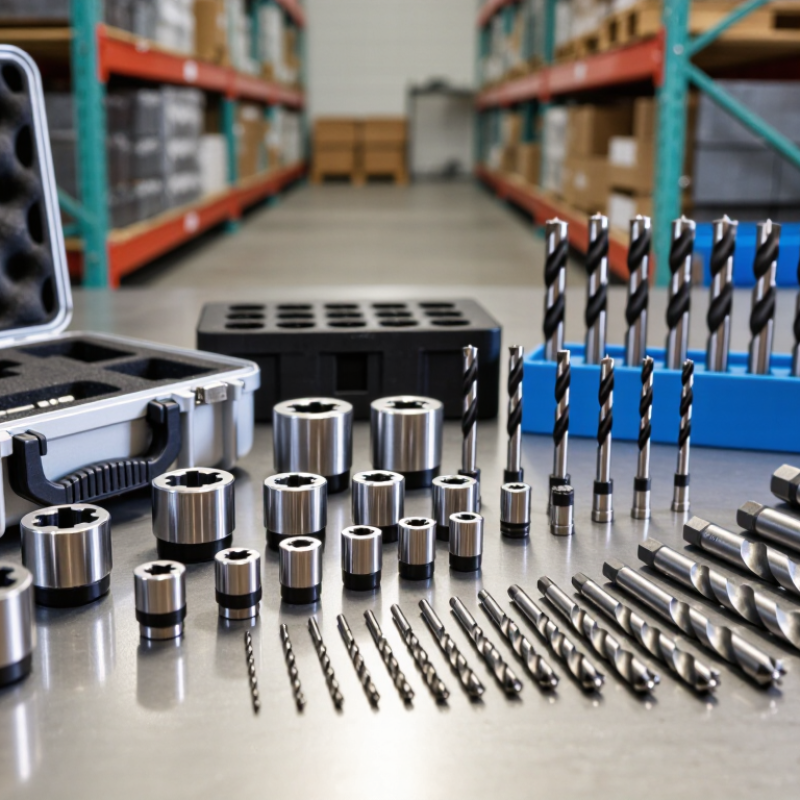
Thread repair kits restore damaged internal or external threads without replacing an entire component. Common contents include taps, drills, inserts, and installation tools. On a pump housing, for example, a technician may fit a stainless-steel insert where a bolt has stripped an aluminum thread. Small details matter. The correct drill size, clean chips, and steady alignment help the insert sit flush and hold fasteners securely. A rushed repair can leave a weak or misaligned connection.
These kits are used in automotive maintenance, machinery, construction equipment, and aerospace servicing, where threaded joints face vibration, repeated assembly, or corrosion. NIST’s 2018 U.S. manufacturing economic snapshot reported that manufacturing contributed about $2.3 trillion, or 11.6% of U.S. GDP, in 2016. That scale helps explain why practical component repair matters, though the figure does not measure thread damage itself. Buyers should check kit compatibility with the base material, thread size, operating temperature, and expected load. Still, a kit is not a cure-all. A cracked housing or badly deformed hole may need replacement or specialist assessment. Even experienced technicians can miss swarf left in a blind hole; it is an easy detail to overlook.
Metric Coarse Thread Sizes: Pitch Reference for Thread Repair
The chart shows nominal diameter and standard coarse pitch for selected ISO metric threads. Use the original thread’s diameter and pitch when identifying a repair kit; insert installation dimensions and procedures vary by kit and application.
Why Global Buyers Source Thread Repair Kits from China
Global buyers source thread repair kits from China because many suppliers can produce complete sets at practical volumes. A kit may include wire inserts, a matching drill, a tap, and an installation mandrel. Keeping these components together can simplify purchasing for repair shops and maintenance teams. Buyers can also request different thread sizes, insert lengths, and packaging formats. That flexibility matters when a workshop serves older equipment with uncommon specifications.
Price is one factor, but fit and consistency matter more. Ask suppliers for drawings, material details, and sample kits before placing a large order. Check that the tap and inserts match the stated thread specification. Inspect the mandrel, too; a rough finish can make installation awkward. Small details count.
China’s broad manufacturing network may also help buyers compare production capacity, customization options, and shipping arrangements. Still, supplier quality varies, and a low quote does not guarantee dependable inserts or clear communication. Request batch identification and agree on inspection criteria in writing. Test samples in the actual repair process, not just by sight. It takes extra time. Yet buyers sometimes rush this step, and that is worth reconsidering.
Common Supplier Types and Manufacturing Capabilities in China
China’s thread repair kit suppliers generally fall into several groups. Specialized manufacturers focus on inserts, installation tools, and removal tools. Broader hardware factories may assemble kits alongside other metal components. Trading companies can offer wider catalogs, though production may take place at partner factories.
Manufacturing capabilities vary. Some factories make wire-thread inserts from stainless steel wire, then package them with taps, mandrels, and tang-break tools. Others mainly perform kit assembly and sourcing. Ask whether the supplier controls machining, heat treatment, inspection, and packaging in-house. That distinction matters. A tidy product photo cannot confirm tap dimensions or insert consistency.
For evaluation, request drawings, material details, and inspection records for the exact kit configuration. Check whether the supplier can provide sample kits and explain how it verifies thread fit. Small details matter. A kit may look complete but contain tools suited to a different insert length or thread size. Catalog descriptions are not always precise, and even a detailed specification can miss real installation conditions. Test samples in the intended base material before placing a large order.
How to Evaluate Chinese Thread Repair Kit Suppliers
Evaluating a Chinese thread repair kit supplier starts with clear technical requirements. Specify thread sizes, pitches, insert lengths, and the metals your customers need to repair. Ask whether each kit includes the matching drill, tap, installation tool, and tang-breaking tool. Check that the listed dimensions match the drawings, not just the product photos. Small details matter. Request a sample and test it in the materials you commonly use, such as aluminum or steel. A smooth installation is useful, but also inspect the finished thread for fit and consistency.
Review how the supplier controls production between batches. Ask for inspection records, material specifications, and a clear explanation of how defects are handled. Documents can help, but verify that they apply to the actual kit and current production. Check packaging too: inserts should stay separated, and tools should arrive protected from moisture and impact. Ask about minimum order quantities, lead times, and how changes to specifications are communicated. Compare responses for accuracy, not just speed. A polished catalog is not proof. Some uncertainty remains, even after careful checks; a pilot order can reveal issues that a sample misses. Keep written specifications and agreed inspection criteria before placing a larger order.
Quality, Export, and After-Sales Factors for International Buyers
For global buyers, a thread repair kit supplier should prove quality with more than a polished catalog. Ask for material specifications, thread-size charts, inspection records, and sample kits. Check whether the drill, tap, installation tool, and inserts match the listed dimensions. A practical test in a representative metal block can reveal fit issues before a large order. No chart covers every worn or coated hole.
Export readiness matters too. Confirm carton labels, packing lists, product descriptions, and agreed shipping terms before production. The WTO’s 2015 trade facilitation report estimated that full implementation could reduce trade costs by an average of 14.3%. That figure describes broad trade effects, not savings guaranteed by one supplier. Still, clear documents and responsive logistics teams can prevent avoidable delays.
Tips: Request a sample set, a written lead time, and a contact for technical questions. Ask how missing or damaged inserts are handled. Keep the answer in writing.
After-sales support is easy to overlook until a technician needs a replacement insert or installation advice. Ask whether the supplier can provide replenishment parts, clear instructions, and responses across time zones. A short video or marked diagram may solve a setup problem faster than a lengthy email. Also check how complaints are recorded and resolved. Supplier claims deserve scrutiny; test the process, not just the product.