For over 50 years, we have dedicated ourselves to providing Industry with best in class wire management solutions and to helping solve mission critical issues.

The needs of today’s schools and universities are changing fast. When it comes to anticipating and meeting those needs, MonoSystems is in a class of its own.

For the past five decades, we’ve made it our business to offer more value to our partners, which in turn provides greater value to their customers.
Choosing the right basket cable tray manufacturer affects installation speed, cable protection, and long-term maintenance costs. Global buyers often compare suppliers across several practical details, not only catalog prices. Material quality matters. So does production consistency.
This guide examines ten leading basket cable tray manufacturers serving international markets. It considers manufacturing experience, engineering capability, product range, and export reliability. Key factors include wire diameter, tray width, load capacity, corrosion resistance, and surface treatment. A well-made tray should feel rigid in the hand, with smooth welded joints and clean edges. Those details become important when installers route heavy power cables through crowded data rooms.
Certifications and testing records also deserve careful attention. Buyers should review fire performance, coating specifications, dimensional tolerances, and compatibility with local installation systems. Delivery capability matters too. A technically strong supplier may still disappoint when lead times change without clear communication. That risk is easy to underestimate.
The manufacturers discussed here represent different strengths, including large-scale production, custom fabrication, and regional distribution support. However, no ranking can fit every project perfectly. Requirements differ between a coastal plant, a commercial tower, and a high-density server room. Buyers should verify current certificates, factory capacity, warranty terms, and after-sales support directly. Some information may change. That is worth remembering.
The goal is practical guidance, not unquestioned promotion. By comparing evidence carefully, procurement teams can select a basket cable tray supplier with greater confidence, fewer installation surprises, and a clearer view of total project value.
Top 10 Basket Cable Tray Manufacturers for Global Buyers
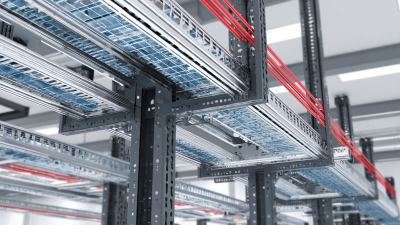
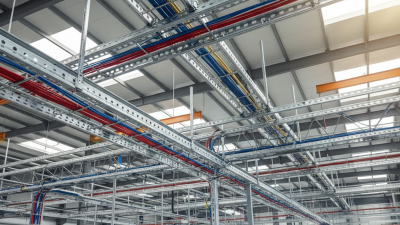
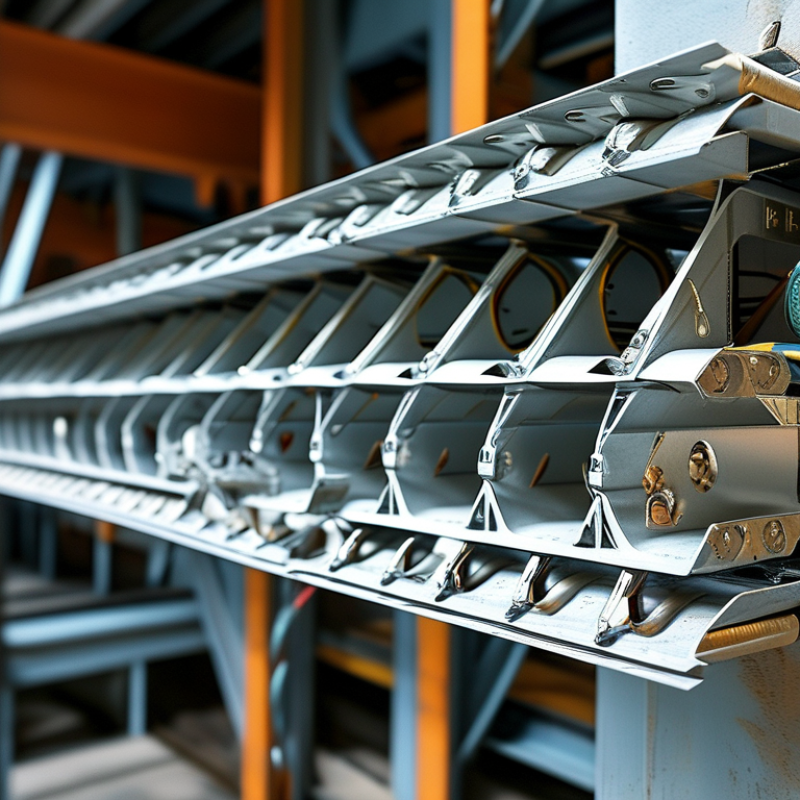
A basket cable tray is a welded wire mesh support for power, control, and data cables. Its open structure lets installers place cables from above, without pulling them through a closed channel. Horizontal wires carry the load, while vertical wires maintain cable separation and shape. The tray usually connects with couplers, bends, tees, and mounting brackets.
Air can move around the cables.
This ventilation reduces heat accumulation, especially in crowded server rooms and industrial panels. The International Energy Agency reported that data centres used about 240 TWh of electricity in 2022. It projects demand could reach 620–1,050 TWh by 2026. Better cable airflow may support safer thermal management, although tray design cannot replace proper load calculations or cooling systems.
During selection, buyers should check working load, wire diameter, corrosion resistance, grounding continuity, and installation conditions. IEC 61537 provides widely used requirements for cable tray systems. Galvanized steel suits many indoor applications, while stainless steel or protective coatings may perform better in humid environments. In field installations, the lightest tray is not always the most efficient choice. It can flex, sag, or complicate future cable additions. That assumption deserves testing. Independent load data, verified dimensions, and local electrical requirements should guide purchasing decisions. Installation quality still matters more than attractive catalog images.
Basket cable tray is an open wire-mesh support system used to route, organize, and protect power, control, and data cables. Its ventilated structure improves airflow, simplifies cable installation, and allows easy access for inspection or future changes.
Chart explanation: The chart presents common nominal basket cable tray widths used in commercial, industrial, and data-network installations. Wider trays can accommodate more cables, while the final selection depends on cable quantity, separation requirements, allowable fill, load capacity, and available installation space.
For global buyers, evaluating basket cable tray manufacturers starts with standards, not glossy catalogs. IEC 61537 provides a useful baseline for cable support systems. Confirm load testing, deflection limits, electrical continuity, and corrosion performance. Ask for test reports tied to the exact tray size, wire diameter, finish, and connector type. A report for another configuration proves little. Material declarations should identify steel grade, coating thickness, and batch traceability. These details matter when trays cross humid ports, cold warehouses, and high-temperature plant rooms.
Tips: Request samples before approving a large order. Weigh one section. Measure wire spacing and side-rail height. Check cut edges for burrs. Test connectors by hand, then under a realistic load. Small inconsistencies often reveal weak process control.
Quality management deserves equal attention. Look for documented inspection plans, calibrated equipment, welding controls, and corrective-action records. ISO 9001 certification can support confidence, but it should not replace factory evidence. Review packaging strength, labeling, spare hardware, and replacement policies. Reliable manufacturers explain lead times honestly and disclose production limits. That transparency is valuable. Still, buyers should challenge assumptions. A strong finish may hide poor weld penetration, while a low price may exclude fittings or testing. Independent pre-shipment inspection is sensible for unfamiliar suppliers, especially when installation downtime would be expensive.
The top 10 basket cable tray manufacturers are best compared through product depth and market strength, not visibility alone. Their portfolios usually cover welded wire trays, heavy-duty mesh, bends, tees, reducers, brackets, and splice kits. Strong suppliers provide multiple wire diameters and finish options, including pre-galvanized, hot-dip galvanized, stainless steel, and powder-coated surfaces. This matters in server rooms, factories, warehouses, and coastal installations. Small details matter. Consistent mesh spacing improves cable support and routing speed. Rounded edges reduce jacket damage during installation. Load tables, corrosion data, and tested coupling performance reveal more than polished catalog photos.
Market strength appears in repeat supply, engineering support, and regional compliance knowledge. A capable manufacturer can maintain stable dimensions across large batches and explain lead times honestly. It should support metric and imperial layouts when projects cross borders. Export packaging also deserves attention. Trays can arrive bent if corner protection is weak. Some suppliers offer BIM files, cut-length guidance, and layout reviews before production. These services reduce site changes, although they cannot replace qualified local inspection. Certification claims need verification through current test reports and traceable factory documents. That step is sometimes skipped.
For global buyers, the strongest ten candidates balance product customization with dependable capacity. They may produce narrow trays for control cabinets and wider systems for power distribution. Automated welding can improve repeatability, while experienced technicians still catch warped sections. This combination is not perfect. It remains practical. Evaluate sample fit, coating thickness, fastener quality, and response time before signing a framework agreement. A supplier with broad market reach may still struggle with a specialized marine specification. Conversely, a smaller exporter may offer better engineering attention but weaker inventory depth. Comparing these trade-offs creates a more credible ranking than counting countries served.
| Rank | Manufacturer Profile | Primary Market Strength | Core Basket Tray Type | Typical Material & Finish | Common Width Range | Typical Wire Diameter | Applicable Standards | Typical Applications | Global Buyer Advantage |
|---|---|---|---|---|---|---|---|---|---|
| 1 | Profile A | Large industrial and infrastructure projects | Heavy-duty welded mesh tray | Pre-galvanized steel; hot-dip galvanized options | 100–600 mm | 4.0–6.0 mm | IEC 61537; NEMA VE 1; ISO 1461 where applicable | Power plants, factories, transport infrastructure | High load capacity and broad project customization |
| 2 | Profile B | Commercial construction and data infrastructure | Standard electro-welded basket tray | Electro-zinc or pre-galvanized steel | 50–600 mm | 3.0–5.0 mm | IEC 61537; EN 61537 | Office buildings, hospitals, server rooms | Fast installation and strong availability of accessories |
| 3 | Profile C | Corrosive industrial and coastal environments | Stainless-steel wire basket tray | AISI 304 or AISI 316 stainless steel | 50–600 mm | 3.0–5.0 mm | IEC 61537; ASTM A240 material specification | Marine facilities, food processing, chemical plants | Improved corrosion resistance and hygienic surface options |
| 4 | Profile D | High-volume building services projects | Light- and medium-duty mesh tray | Pre-galvanized carbon steel | 50–400 mm | 2.5–4.0 mm | IEC 61537; EN 61537 | Retail centers, residential towers, public buildings | Competitive pricing and efficient standard production |
| 5 | Profile E | Energy, utilities, and renewable projects | Reinforced basket tray with heavy-duty supports | Hot-dip galvanized steel; powder coating available | 100–600 mm | 4.0–6.0 mm | IEC 61537; ISO 1461 for galvanized coatings | Solar farms, substations, wind-power facilities | Suitable for outdoor exposure and demanding cable loads |
| 6 | Profile F | OEM, distributor, and private-label supply | Configurable welded wire tray | Pre-galvanized, electro-zinc, or painted steel | 50–600 mm | 3.0–5.0 mm | IEC 61537; customer-specific specifications | Electrical wholesalers, panel builders, system integrators | Flexible packaging, labeling, and private-label programs |
| 7 | Profile G | North American specification-driven projects | Industrial wire mesh cable tray | Pre-galvanized or hot-dip galvanized steel | 4–24 in | 0.118–0.236 in | NEMA VE 1; NEC installation requirements where applicable | Manufacturing, telecommunications, commercial facilities | Familiarity with inch-based specifications and local compliance needs |
| 8 | Profile H | Middle East and African infrastructure projects | Outdoor-duty galvanized basket tray | Hot-dip galvanized steel; duplex coating options | 100–600 mm | 4.0–6.0 mm | IEC 61537; ISO 1461; project engineering specifications | Oil and gas support facilities, airports, utility corridors | Strong outdoor protection and project-based fabrication |
| 9 | Profile I | Asia-Pacific electrical distribution | Standard and compact mesh tray systems | Electro-zinc or pre-galvanized steel | 50–400 mm | 2.5–4.0 mm | IEC 61537; regional electrical installation codes | Factories, commercial fit-outs, low-voltage systems | Short lead times for standard sizes and export-ready packing |
| 10 | Profile J | Specialized and small-batch engineered orders | Custom-depth and custom-radius wire tray | Stainless steel, galvanized steel, or powder-coated steel | 50–600 mm | 3.0–6.0 mm | IEC 61537; project-specific testing and drawings | Retrofit work, complex routing, specialized equipment rooms | High design flexibility for non-standard layouts |
Selecting a basket cable tray requires more than comparing prices. Steel provides high load capacity, while aluminum reduces weight and resists corrosion in humid areas. Stainless steel suits aggressive environments, but its higher cost may be difficult to justify. Wire spacing also matters. Smaller openings support control cables, while wider designs improve airflow and installation speed.
According to the IEA’s Electricity 2024 report, data centers used about 460 TWh globally in 2022 and could exceed 1,000 TWh by 2026. Better cable management is becoming an operational concern.
Check compliance before reviewing a supplier’s catalog. IEC 61537, NEMA VE 1, and UL 568 address mechanical performance, grounding, and safety requirements. However, certification claims should be verified through current test reports, not marketing pages. Ask for salt-spray results, load tables, coating thickness, and temperature limits. A strong manufacturer should also provide bend sections, reducers, covers, and clean installation drawings. Custom services can shorten site work, yet poorly controlled modifications may weaken structural performance.
Tips: Compare working load, not only tray width. Request a sample joint and inspect its fit by hand. Confirm whether accessories match the same finish. A polished sample can still hide inconsistent welding. That is where careful questioning matters.
Compare the top ten candidates using the same sourcing checklist. Review steel grade, wire diameter, welding consistency, surface treatment, and allowable working load. Request samples from different production batches.
Inspect welds, cut edges, coating coverage, and packaging protection. For outdoor projects, salt-spray performance matters more than showroom appearance.
Factory audits can verify equipment, inspection procedures, and production capacity. Confirm minimum order quantities, tooling charges, lead times, payment terms, and export experience before negotiation.
MarketsandMarkets has forecast strong expansion in cable management, with data-center and industrial projects supporting demand. That growth can attract inexperienced suppliers. A low quotation may hide thinner wire, weak welds, or unstable coatings.
A spreadsheet cannot reveal everything. Buyers should also test communication during the sample stage. Slow answers often become costly delays after purchase orders. I would not select a supplier from price alone; however, technical overchecking can also waste time. Use a weighted score, document exceptions, and keep one qualified backup source.