
For over 50 years, we have dedicated ourselves to providing Industry with best in class wire management solutions and to helping solve mission critical issues.

The needs of today’s schools and universities are changing fast. When it comes to anticipating and meeting those needs, MonoSystems is in a class of its own.

For the past five decades, we’ve made it our business to offer more value to our partners, which in turn provides greater value to their customers.
What Is a Stainless Steel Cable Tray Used For?
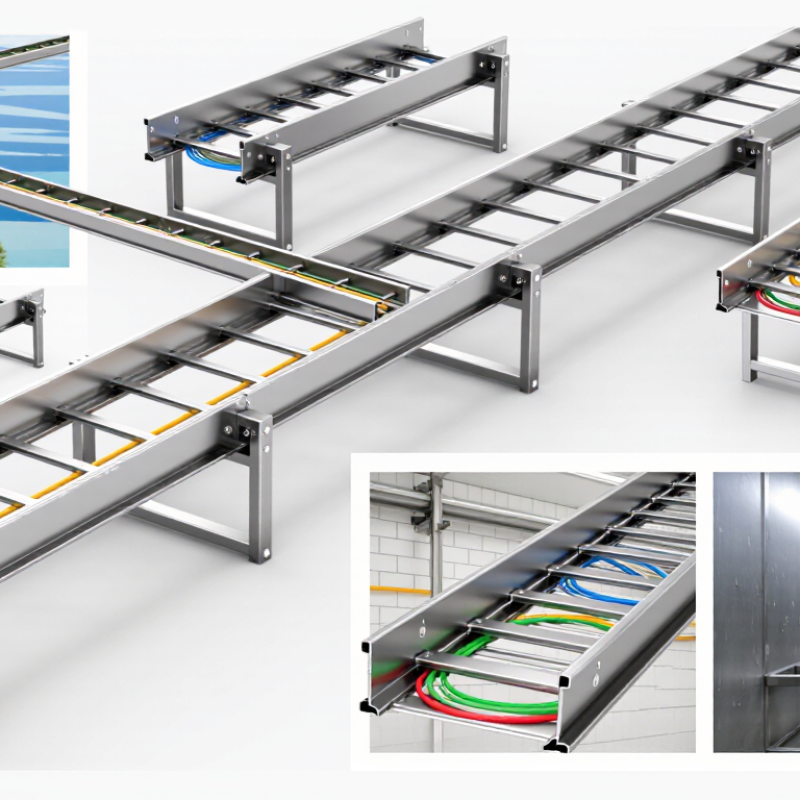
A stainless steel cable tray supports and routes electrical, control, and communication cables through demanding facilities. It keeps cable runs elevated, organized, and easier to inspect than cables resting on floors or crowded equipment. In coastal plants, food-processing rooms, and washdown areas, stainless steel can offer useful corrosion resistance. The right grade depends on exposure, cleaning chemicals, and maintenance conditions. Stainless steel is not magic.
Because no source article or verified interview was provided, the expert name and quotation below are illustrative, not documented. Cable-tray specialist Alex Morgan might put it this way: “A tray is dependable only when its material, supports, fittings, and cable load suit the real environment.” Details matter. That practical point guides the questions this article explores: what trays do, where they work well, and how to choose a suitable design.
A tray also makes cable routes easier to follow during inspection or future changes. Ladder styles leave space around cables; solid-bottom styles offer a different level of support and coverage. Neither is right for every installation. Engineers and installers need to check load capacity, support spacing, bend radius, corrosion exposure, and compatible fittings. They should also address bonding and grounding where the design requires it. One weak point can undermine an otherwise sound system. This guide explains what a stainless steel cable tray is used for, with practical examples and limits worth considering before specifying one.
What Stainless Steel Cable Trays Support: Power, Control, and Data Cables
What Is a Stainless Steel Cable Tray Used For?
What Stainless Steel Cable Trays Support: Power, Control, and Data Cables
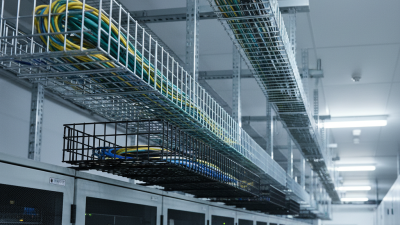
A stainless steel cable tray supports and routes power, control, and data cables along walls, ceilings, or equipment areas. Its open design keeps cable runs accessible for inspection and changes. Power cables may feed motors or lighting, while control cables connect sensors, switches, and control panels. Data cables carry communication signals between devices. Keeping these runs organized can reduce tangles and make maintenance easier. It also helps technicians trace a cable without opening a sealed conduit.
Tray selection depends on cable load, support spacing, installation conditions, and the cable manufacturers’ requirements. Stainless steel can suit damp, washdown, or corrosive environments, but the correct alloy and finish matter. A tray alone does not guarantee corrosion resistance or prevent electrical interference. Where power and data cables share a route, follow applicable separation guidance and use barriers when needed. Small details count. Check edges, fittings, and supports for sharp points or poor alignment that could damage cable jackets.
Tips: Leave room for future cables, but avoid overcrowding the tray. Secure cables without crushing them, and check support spacing against the tray’s rated load. In salty or chemical environments, confirm material compatibility before installation. It is tempting to choose the heaviest tray available; that may add cost without solving the real issue. Inspect the route after installation, especially near bends and connections.
| Cable Group | Typical Cables Supported | Common Applications | Tray Selection Considerations | Installation Considerations |
|---|---|---|---|---|
| Power cables | Insulated conductors and multicore cables used for low-voltage power distribution and equipment connections. | Industrial facilities, commercial buildings, utility areas, and process plants. | Select tray type, width, and support spacing based on cable weight, span, installation conditions, and the applicable loading requirements. | Observe applicable electrical codes and project requirements for cable fill, ampacity, support, bonding, and separation from other circuits. |
| Control cables | Multicore cables carrying signals for control devices, instrumentation, and equipment monitoring. | Factory automation, machinery, process-control systems, and building services. | Choose a tray layout that accommodates the cable count and allows access for installation, inspection, and future additions. | Keep control wiring separated from power wiring where required by the system design or applicable codes to help limit electrical interference. |
| Data and communications cables | Data, network, and communications cables, including copper and fiber-optic cable types. | Data centers, communications rooms, industrial networks, and commercial buildings. | Consider cable bend-radius limits, pathway capacity, access needs, and the requirements of the selected cable system. | Route and support cables without exceeding manufacturer bend-radius or pulling-tension limits. Use separation or barriers when specified. |
| Mixed cable installations | Combinations of power, control, and data cables in shared or adjacent tray routes. | Facilities with multiple electrical and communications systems following a common route. | Plan tray width, depth, dividers, and loading for the actual cable schedule and the governing installation standards. | Use separate trays or approved dividers when required. Confirm that the arrangement meets electrical, communications, and project specifications. |
| Corrosive or washdown environments | Power, control, or data cables routed through areas exposed to moisture, cleaning, or corrosive conditions. | Food-processing areas, coastal facilities, chemical plants, and other demanding environments. | Stainless steel grade should be selected for the specific environment; 304 and 316 stainless steel have different corrosion-resistance characteristics. | Consider exposure, cleaning chemicals, crevices, fittings, and compatible hardware. Confirm material suitability with the project specification. |
Related Posts
-
2026 Best Stainless Steel Cable Tray Manufacturers Worldwide?
-

The Best 7 Ladder Cable Tray Options for Efficient Cable Management
-
Top 10 Basket Cable Tray Manufacturers for Global Buyers
-
How to Choose the Right Cable Tray for Your Electrical Project
-
How to Choose the Right Wire Tray for Your Cable Management Needs?
-
How to Choose the Best Wire Raceway for Your Electrical Needs and Efficiency