
For over 50 years, we have dedicated ourselves to providing Industry with best in class wire management solutions and to helping solve mission critical issues.

The needs of today’s schools and universities are changing fast. When it comes to anticipating and meeting those needs, MonoSystems is in a class of its own.

For the past five decades, we’ve made it our business to offer more value to our partners, which in turn provides greater value to their customers.
7 Best Wire Mesh Tray Suppliers for Global Buyers?
Choosing the right wire mesh tray supplier can shape an entire cable management project. A reliable supplier should offer consistent dimensions, suitable materials, clear testing records, and dependable export support. Global buyers also need more than attractive product photos. They need evidence.
This guide reviews seven leading wire mesh tray suppliers for international purchasing teams. The comparison considers steel quality, surface treatment, load capacity, production experience, customization, packaging, and delivery communication. It also examines whether suppliers explain technical details clearly, including wire diameter, mesh spacing, corrosion resistance, and installation accessories. These points matter when trays must support crowded data cables in warehouses, offices, factories, or transport facilities.
Real purchasing decisions are rarely perfect. A supplier may provide excellent pricing but limited documentation. Another may offer strong engineering support but longer production times. That trade-off deserves attention. Buyers should request samples, inspect welds, confirm coating specifications, and test tray strength against actual project conditions. Small defects can become visible when cables fill a tray under heat and pressure.
The suppliers discussed here were selected through practical evaluation criteria rather than promotional claims alone. Their manufacturing capabilities, product range, communication quality, and international service records are important reference points. However, market conditions change, and supplier performance can vary by region and order size. Buyers should verify current certifications, lead times, warranty terms, and compliance requirements before signing contracts. This approach creates a more balanced shortlist and reduces avoidable purchasing risks.
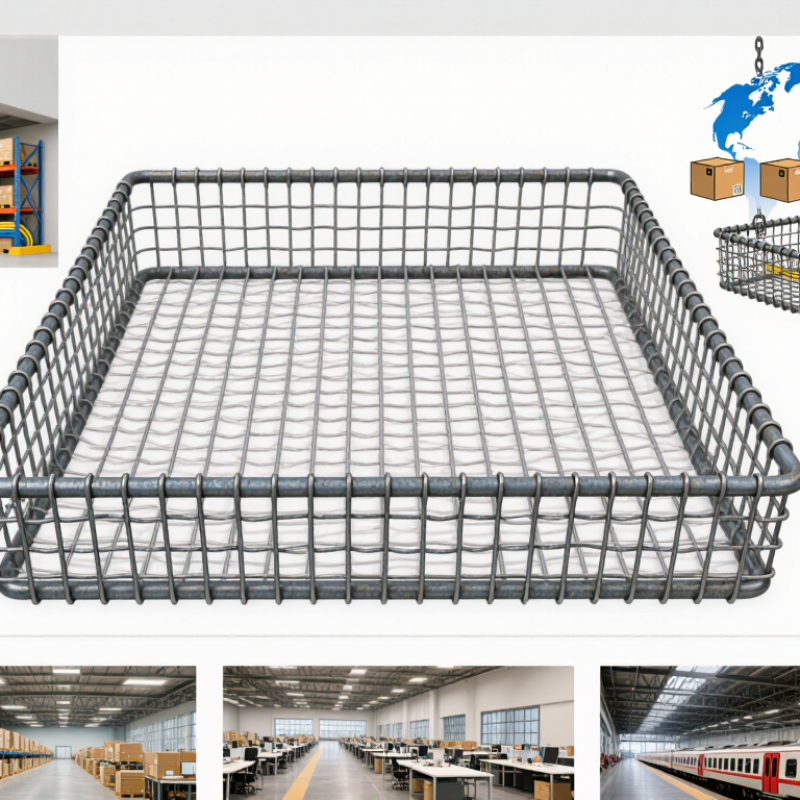
What Is a Wire Mesh Tray and Why Does Supplier Selection Matter?
7 Best Wire Mesh Tray Suppliers for Global Buyers?
What Is a Wire Mesh Tray and Why Does Supplier Selection Matter?
A wire mesh tray is a welded steel pathway for routing power, control, and data cables. Its open structure improves airflow and makes inspection easier. It also allows quick cable changes in crowded server rooms and industrial plants. A 2024 Fortune Business Insights report valued the broader global cable management market at more than USD 20 billion in 2023. That growth reflects rising data centers, factories, and building upgrades. Still, market size does not guarantee product quality.
Supplier selection affects load safety, corrosion resistance, delivery reliability, and installation cost. Buyers should check compliance with IEC 61537, which covers cable tray systems and relevant performance tests. Ask for load tables, coating details, weld inspection records, and material certificates. Stainless steel may suit humid areas, while galvanized steel often fits controlled indoor spaces. The wrong finish can fail early. I have seen attractive samples hide weak welds and inconsistent wire spacing. A perfect specification sheet is not enough.
Tips: Compare tested load capacity, not only price. Request a sample before volume orders. Confirm tray width, connector fit, packing strength, and replacement support. Review production photos or arrange an audit when practical. Also check whether the supplier can provide stable dimensions across batches. Small deviations create difficult alignment problems. Allow time for independent inspection, even when schedules feel tight.
7 Best Wire Mesh Tray Suppliers for Global Buyers? - What Is a Wire Mesh Tray and Why Does Supplier Selection Matter?
A wire mesh tray is a ventilated cable-management system manufactured from welded steel wire. The open structure improves airflow, simplifies cable access, reduces dust accumulation, and allows easy visual inspection. Supplier selection matters because material grade, weld quality, corrosion protection, load capacity, compliance, packaging, and export capability directly influence installation safety and long-term service life.
| Supplier Profile | Typical Buyer Fit | Common Materials | Typical Wire Diameter | Common Mesh Openings | Surface Finish Options | Customization Capability | Typical Production Lead Time | Key Selection Advantage | Recommended Verification |
|---|---|---|---|---|---|---|---|---|---|
| Profile 1: High-Volume Export Manufacturer | Large commercial, industrial, and infrastructure projects | Low-carbon steel; stainless steel available for selected projects | 3.5–6.0 mm | 50 × 100 mm; 100 × 100 mm; 50 × 50 mm | Electro-galvanized; hot-dip galvanized; powder coated | High; width, height, length, bends, reducers, and support accessories | 20–45 working days, depending on order volume | Competitive pricing and stable capacity for container-scale orders | Inspect weld consistency, packaging method, production capacity, and loading plan |
| Profile 2: Stainless Steel Specialist | Food processing, pharmaceutical, marine, and corrosive environments | AISI 304; AISI 316 or 316L for higher corrosion resistance | 3.0–5.0 mm | 50 × 50 mm; 50 × 100 mm; 100 × 100 mm | Natural stainless finish; passivated or electropolished options | Medium to high; hygienic designs and special fittings are commonly available | 25–50 working days | Better resistance to moisture, chemicals, and frequent cleaning | Confirm material certificates, alloy grade, surface treatment, and cleaning requirements |
| Profile 3: Heavy-Duty Industrial Supplier | Power plants, factories, data centers, and high-load cable routes | Structural steel; galvanized steel; stainless steel for special zones | 5.0–6.0 mm, with reinforced designs available | 50 × 100 mm; 100 × 100 mm; 100 × 150 mm | Hot-dip galvanized; pre-galvanized; epoxy or powder coated | High; reinforced bends, heavier supports, and project-specific spans | 30–60 working days | Higher mechanical strength and suitability for demanding cable loads | Request load tables, span data, deflection limits, and engineering calculations |
| Profile 4: Fast-Delivery Standard Range Supplier | Commercial buildings, offices, warehouses, and moderate-size projects | Pre-galvanized steel; painted carbon steel | 3.0–5.0 mm | 50 × 100 mm; 100 × 100 mm | Pre-galvanized; electro-galvanized; powder coated | Medium; standard sizes and commonly used fittings | 7–25 working days for stocked or standard products | Shorter delivery times and simpler procurement | Check inventory status, actual dispatch time, and spare-accessory availability |
| Profile 5: Project Engineering and OEM Supplier | EPC contractors, electrical integrators, and private-label buyers | Carbon steel, stainless steel, and aluminum where weight reduction is required | 2.5–6.0 mm | 25 × 50 mm; 50 × 100 mm; project-specific openings | Galvanized, powder coated, anodized aluminum, and stainless finishes | Very high; drawings, prototypes, labels, packaging, and customized components | 30–70 working days, including design approval | Strong support for technical drawings and project documentation | Evaluate CAD support, sample approval process, drawing control, and revision management |
| Profile 6: Regional Stocking and Distribution Supplier | Local contractors, maintenance teams, and urgent replacement work | Pre-galvanized steel; electro-galvanized steel | 3.0–5.0 mm | 50 × 100 mm; 100 × 100 mm | Galvanized and painted finishes, subject to stock | Low to medium; mainly standard products and accessories | 1–10 working days when inventory is available | Local availability, faster replacement, and lower inland transport complexity | Verify warehouse stock, batch consistency, local warranty, and delivery coverage |
| Profile 7: Compliance-Focused International Supplier | Telecommunications, transportation, public infrastructure, and regulated projects | Galvanized steel, stainless steel, and aluminum according to project specifications | 3.0–6.0 mm | 25 × 50 mm; 50 × 100 mm; 100 × 100 mm | Electro-galvanized, hot-dip galvanized, powder coated, and stainless finishes | High; documentation packages, inspection plans, and traceability options | 25–60 working days | More structured quality documentation for international tenders | Confirm applicable IEC, EN, ISO, ASTM, or project-specific requirements before ordering |
Related Posts
-
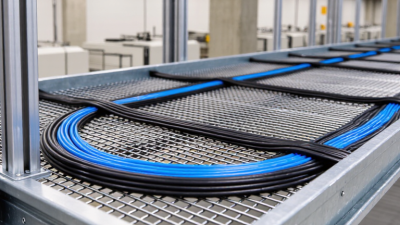
How to Choose the Right Wire Mesh Tray?
-
What Is the Best Wire Management Tray for Bulk Buying?
-
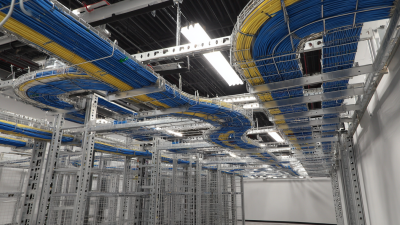
2025's Top 10 Basket Cable Tray Solutions for Efficient Cable Management
-
Top 10 Basket Cable Tray Manufacturers for Global Buyers
-
What Are the Top Mesh Cable Tray Manufacturers?
-

Ultimate Guide to Electrical Cable Trays: Optimizing Efficiency and Safety in Modern Installations