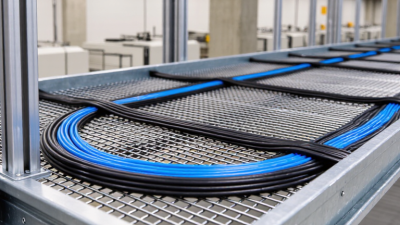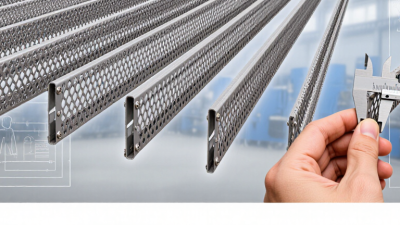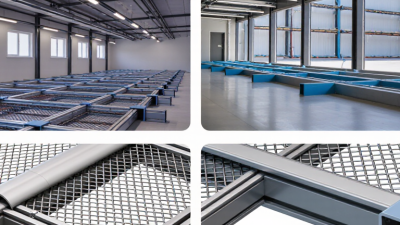
For over 50 years, we have dedicated ourselves to providing Industry with best in class wire management solutions and to helping solve mission critical issues.

The needs of today’s schools and universities are changing fast. When it comes to anticipating and meeting those needs, MonoSystems is in a class of its own.

For the past five decades, we’ve made it our business to offer more value to our partners, which in turn provides greater value to their customers.
A cable basket may look like a simple wire channel, but its welds, finish, load capacity, and accessory fit can shape an entire installation. For global buyers, choosing a manufacturer is therefore a technical decision, not just a price comparison. Grand View Research estimated the global cable management market at USD 23.02 billion in 2022 and projected an 8.1% compound annual growth rate from 2023 to 2030. That figure covers a broad market, not cable baskets alone, but it signals sustained investment in organized, serviceable cable infrastructure.
The ten manufacturers featured in this guide are assessed through practical buyer considerations: product range, material options, dimensional consistency, customization, quality documentation, and export readiness. Look closely at the details. A poorly matched basket can complicate routing around a crowded ceiling, while inconsistent finishes may matter in humid or corrosive environments. Specifications and test records deserve more weight than polished catalog images. Small differences matter.
This introduction does not assign a quotation to a named cable-basket expert because no independently verifiable source for such a quotation was provided. Inventing one would weaken the reliability this guide aims to offer. Instead, the comparisons should be read as a starting point for supplier checks, sample reviews, and project-specific engineering questions. No list can replace those steps.
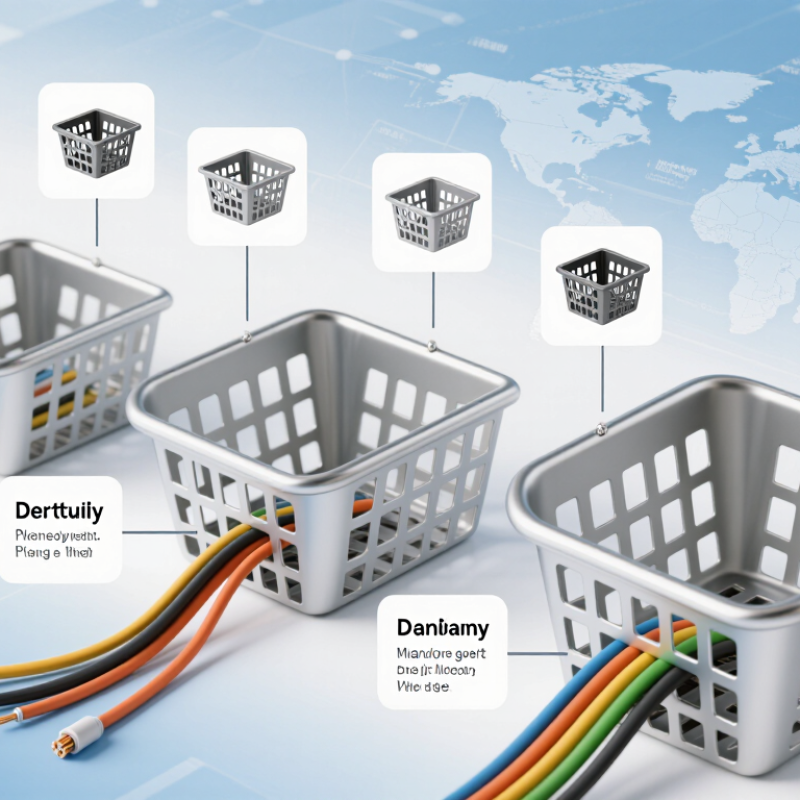
Cable baskets guide cables through open, accessible routes. Common forms include wire-mesh baskets, shallow or deep channels, and fittings such as bends and tees. Mesh allows airflow and makes visual checks easier. Deeper baskets can hold larger cable bundles, but capacity depends on cable weight, support spacing, and the manufacturer’s load data. Materials often include galvanized steel for general indoor use, stainless steel for damp or corrosive settings, and coated steel for added surface protection. Match the finish to the environment.
Tips: Check the route before installation. A drawing may miss a pipe, beam, or tight corner. Confirm cable load, support spacing, edge protection, and separation requirements. Keep cut edges smooth; sharp wire can damage insulation. A small trial fit can prevent awkward changes later.
Applications range from office data cabling to factory power routes and building services. Open mesh suits locations where access and inspection matter, while covered options can help protect cables from falling debris. Still, no basket type solves every site problem. Dust, moisture, vibration, and future cable additions can change the right choice. Leave practical room for bends and maintenance, not just the cables shown on the first drawing. Check compatibility with the planned supports and fittings before ordering.
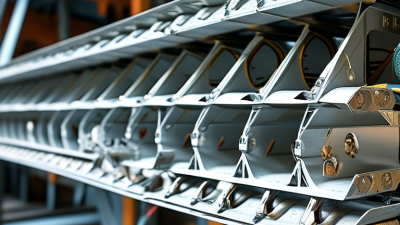
Assessing cable basket manufacturers in China requires more than comparing quoted prices. Check whether the factory controls wire forming, welding, surface treatment, and final inspection. Ask for drawings, material certificates, weld inspection records, and load-test results for the exact basket width and support span you plan to use. A sample should have consistent mesh spacing, smooth cut ends, and secure joints. Small details matter.
MarketsandMarkets’ 2023 Cable Management Market report estimated the global market at USD 23.1 billion in 2023, with a projected rise to USD 36.7 billion by 2028. This covers cable management products broadly, not cable baskets alone, but it signals growing demand and tougher supplier comparisons. Request test evidence aligned with IEC 61537 where applicable, and check coating thickness, corrosion protection, and stated load capacity. Confirm that quoted specifications match the samples and production batch. A neat catalogue proves little.
Tips Send the same drawing and operating conditions to each supplier. Compare wire diameter, finish, packaging, lead time, and test methods—not just unit cost. Ask for a trial order and inspect the basket under real installation conditions. Be cautious if answers stay vague; even a capable factory may overlook one detail.
Profiles of ten Chinese cable basket manufacturers can help buyers compare more than catalog photos. One may focus on light-duty wire baskets, while another offers heavier welded systems for industrial routes. Some profiles emphasize made-to-order widths, bends, and supports; others show a narrower standard range. Look for clear material descriptions, wire diameter, surface finish, load data, and installation drawings. These details make comparisons practical. A polished catalog alone proves little.
The profiles may also reveal differences in production scale, export experience, sample availability, and quality checks. Ask how dimensions are measured and whether load ratings apply to a specific span and support spacing. Request recent product photos or a sample when details remain unclear. I would not assume that a broad product range means consistent quality. It is worth checking. Small gaps between a drawing and a delivered basket can complicate installation.
Tips: Compare like with like. Confirm finish, dimensions, and load conditions in writing. Ask for one sample before placing a large order. Keep your own checklist; supplier descriptions can leave out useful details.
For global buyers, cable basket manufacturers should be compared by more than catalog size. Common ranges include wire-mesh baskets, solid-bottom sections, bends, tees, reducers, and support accessories. Check whether standard widths and depths suit your cable volume and installation space. A basket that looks suitable on a drawing may leave too little room for future additions. Small details matter.
Quality claims need clear evidence. Ask for material specifications, wire diameter, weld consistency, and coating information. For galvanized or powder-coated finishes, confirm the stated process and corrosion-test method rather than relying on appearance alone. Request dimensional tolerances and inspection records for sample batches. Standards vary by project and destination, so verify the applicable requirements with your engineering team. A polished certificate is not the whole story.
Customization can include nonstandard lengths, widths, mesh sizes, finishes, and fittings for corners or congested routes. Compare minimum order quantities, sample lead times, and how design changes affect production schedules. Share a marked-up route drawing, including wall clearances and support spacing, before requesting a quotation. This reduces guesswork, though it will not prevent every revision. Ask how the manufacturer handles a mismatch between the approved sample and delivered goods; the answer can reveal more than a broad quality promise.
Buyer comparison guide: The entries below are anonymized capability profiles, not named or ranked companies. Product dimensions are indicative ranges commonly found in the market; verify each supplier’s current catalog, test reports, and certifications before purchasing.
| Comparison Profile | Typical Product Range | Common Materials and Finishes | Quality Standards to Check | Customization to Confirm | Best-Fit Applications |
|---|---|---|---|---|---|
| 1. General-purpose wire basket supplier | Typical widths: 50–600 mm; depths: 35–150 mm. Mesh basket, covers, bends, tees, and reducers may be available. | Pre-galvanized or electro-galvanized steel; stainless steel options may be offered. | Ask whether the system has been tested to IEC 61537 or NEMA VE 1, as applicable. Check coating specification and load data. | Width, depth, wire diameter, mesh spacing, length, finish, and fitting geometry. | Commercial buildings, data rooms, and general indoor cable routing. |
| 2. Heavy-duty industrial profile | Typically offers wider or deeper baskets and reinforced fittings; confirm allowable loads and support spacing from tested data. | Steel with hot-dip galvanized finish; stainless steel may be specified for corrosive environments. | Review load testing and deflection data. For hot-dip galvanized fabricated products, confirm the applicable coating specification, such as ASTM A123 where appropriate. | Reinforced sections, thicker wire, custom supports, special fittings, and project-specific load requirements. | Factories, utility facilities, and routes carrying heavier cable bundles. |
| 3. Corrosion-resistant stainless profile | Basket sections and fittings in common commercial sizes; availability of grades and dimensions varies by supplier. | Stainless steel, often grade 304 or 316; confirm the material certificate and grade for each order. | Check material traceability, surface finish, weld quality, and suitability for the site environment. ASTM A240 covers stainless steel plate, sheet, and strip—not system performance. | Stainless grade, finish, dimensions, accessories, and fabrication details. | Food processing, coastal sites, and selected chemical or washdown areas. |
| 4. Hot-dip galvanized steel profile | Wire basket sections and accessories in standard and made-to-order configurations. | Fabricated steel hot-dip galvanized after manufacture, or other galvanized options; distinguish the process in the quotation. | Confirm coating process, coating thickness or mass, inspection method, and applicable specification. ASTM A123 may apply to hot-dip galvanized fabricated products. | Dimensions, post-fabrication galvanizing, cut-end treatment, accessories, and packaging. | Outdoor routes and industrial areas exposed to weather, subject to project corrosion requirements. |
| 5. Pre-galvanized sheet and wire profile | Light- to medium-duty baskets, commonly supplied in standard section lengths; confirm cut-end and fitting details. | Pre-galvanized steel; coating is applied before subsequent forming or fabrication. | Request base-material and coating documentation. ASTM A653/A653M covers zinc-coated galvanized steel sheet; it does not certify the finished cable basket system. | Basket size, wire or sheet specification, finish, connectors, and cut-length requirements. | Indoor commercial installations where the specified environment permits the selected coating. |
| 6. Aluminum and lightweight-system profile | Lightweight basket or compatible cable-support products; confirm the supplier’s actual basket range and load ratings. | Aluminum alloy, with finish options dependent on product and application. | Verify alloy, mechanical properties, corrosion suitability, and system load test results. Do not assume steel-system ratings apply. | Alloy, finish, dimensions, fittings, and interfaces with other support systems. | Projects seeking lower support-system weight or requiring a specified corrosion performance. |
| 7. Project-specific fabrication profile | Standard baskets plus made-to-order bends, tees, reducers, offsets, and equipment interfaces. | Material and finish selected to match the project specification. | Check approved drawings, dimensional inspection records, welding procedures where relevant, and traceability requirements. | Non-standard geometry, hole patterns, lengths, transition pieces, and project-specific labeling. | Retrofits, congested routes, and projects with unusual layouts. |
| 8. Export-oriented supply profile | May combine baskets, covers, fittings, supports, and installation accessories; confirm completeness of the bill of materials. | Finish selected from the supplier’s available production options and the project specification. | Request product drawings, inspection records, test reports, packing details, and any destination-market documentation required by the buyer. | Export packing, carton or pallet configuration, documentation, labeling, and shipment lot identification. | International projects requiring coordinated product supply and shipping documentation. |
| 9. Quality-system-focused profile | Product range varies; assess the basket system and accessories against the project’s technical requirements. | Confirm the exact material and finish offered for each product code. | Verify the scope and validity of any ISO 9001 certificate. ISO 9001 concerns quality management systems; it is not a cable-basket product-performance certification. | Inspection plans, batch traceability, certificate packages, and agreed acceptance criteria. | Procurement requiring documented production controls and supplier-quality records. |
| 10. Value-focused standard-range profile | Concentrates on frequently ordered basket sizes and basic accessories; verify availability, lead time, and compatibility. | Usually a limited selection of steel finishes; confirm coating and material details rather than relying on a general description. | Compare declared load capacity, system test evidence, dimensional tolerances, coating records, and warranty terms. | Standard-size selection, finish, packaging, and limited non-standard changes subject to minimum order quantities. | Cost-sensitive projects with straightforward layouts and clearly defined performance requirements. |
Standards note: IEC 61537 and NEMA VE 1 address cable tray systems. The applicable standard, test method, product scope, and edition should be confirmed for each project. No certification or compliance claim should be inferred for an individual supplier from this comparison guide.
When comparing cable basket manufacturers, global buyers should look beyond unit price and finish. Request drawings that specify basket width, side height, wire diameter, mesh opening, and load rating. A 300 mm basket may look suitable in a catalog, yet fail to match the planned support spacing. Check the proposed load against the actual installation, including cable weight and service conditions. Details matter.
Compliance requirements vary by destination and project. Ask for material declarations, coating specifications, and test reports tied to the exact product configuration. A report for a similar sample is not enough. For coated steel, confirm the stated coating type and thickness, then check whether the documentation addresses the intended environment. Requirements can differ between indoor commercial sites and humid industrial facilities. Do not assume one certificate covers every market.
Export planning deserves the same care. Confirm production lead time, minimum order quantity, packaging dimensions, and whether baskets ship nested or bundled. Poor packing can bend edges before goods reach the site. Compare the commercial invoice, packing list, and product descriptions before dispatch, and verify destination-specific import paperwork with a qualified customs professional. I would also request photos of a packed order; it is a small check, but not every supplier will offer it without asking.