How to Choose the Right Basket Cable Tray for Your Project?
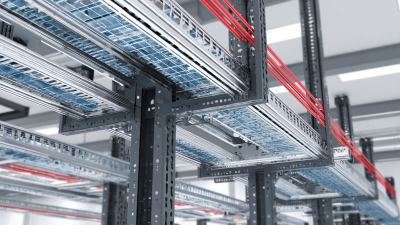
Choosing the right basket cable tray for your project is crucial. Effective cable management directly influences safety and efficiency in electrical installations. According to industry reports, improper cable management can lead to a 30% increase in maintenance costs. Properly selected basket cable trays enhance airflow, reduce heat buildup, and streamline access for future upgrades.
The global market for cable trays is projected to grow steadily. The demand for basket cable trays is increasing due to their versatility and ease of installation. A significant percentage of electrical engineers prefer using basket trays for their lightweight design. This choice often results in faster project completion times.
However, selecting the ideal basket cable tray requires careful consideration. Factors such as load capacity, material type, and installation environment are vital. Some projects may overlook these details, leading to potential failures. Reflecting on past experiences, many professionals recognize the importance of aligning tray specifications with project needs. Overall, the right basket cable tray can significantly impact performance and longevity.

Understanding the Different Types of Basket Cable Trays Available
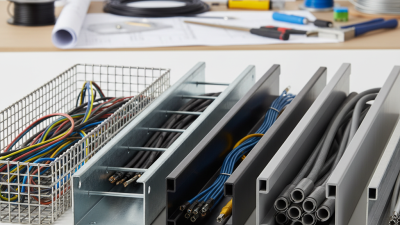
When selecting a basket cable tray, understanding the different types available is crucial. Basket cable trays are primarily made from steel or aluminum, providing excellent support and ventilation for electrical cables. The two main types include standard and heavy-duty trays. Standard trays are ideal for light to moderate cable loads, while heavy-duty trays are designed for more significant and heavier installations. According to a market report by Research and Markets, the basket cable tray industry has seen a 5% growth rate annually, reflecting increasing demand in industrial and commercial sectors.
Material choice greatly affects the tray's performance. Steel trays are more robust, but aluminum trays offer corrosion resistance, making them suitable for harsher environments. While steel can last longer under certain conditions, it may be prone to rust if not properly treated. A survey by the National Electrical Manufacturers Association indicates that 30% of contractors have faced issues due to inadequate material selection and tray design. This emphasizes the need to evaluate project requirements carefully.
The size of the cable tray also deserves attention. Trays are available in various widths and heights to accommodate different cable sizes. Ensuring the correct sizing is critical for easy cable routing and maintenance. Installing a tray that is too small can lead to overheating and cable damage. Industry experts suggest that nearly 40% of cable installations encounter issues due to improper tray sizing, highlighting the importance of accurate planning.
Comparison of Different Types of Basket Cable Trays
Evaluating the Load Capacity Requirements for Your Project
Evaluating the load capacity requirements for your project is crucial when selecting the right basket cable tray. The load capacity directly impacts the safety and functionality of the system. It’s important to assess the weight of the cables and any additional materials they may carry. Consider the total weight distribution across the tray to ensure it can withstand the demands of your project.
When estimating your needs, be mindful of future expansions. Many projects grow over time, requiring additional cables and increased load. Not accounting for this can lead to overloading, which poses risks. Measure the anticipated weight of all components including cables, connectors, and other fixtures you plan to use.
A practical tip is to conduct thorough calculations before making any purchases. Use a spreadsheet to track the weights of each element. Additionally, discuss your plans with an engineer or a professional. They can offer insights that may not be immediately apparent. Remember, an overloaded cable tray can cause failures. This misstep can lead to costly damages or project delays. Keep potential growth in mind to avoid unnecessary challenges down the road.
Determining the Material Options for Basket Cable Trays
When selecting the right material for basket cable trays, it’s essential to consider factors that impact performance and durability. Common materials include aluminum, steel, and fiberglass. Aluminum offers lightweight properties and high corrosion resistance, ideal for various indoor applications. According to a recent report from the National Electrical Manufacturers Association, aluminum components account for approximately 25% of all cable management solutions.
Steel, on the other hand, is often the go-to choice for heavy-duty applications. It provides excellent strength and load-bearing capacity. However, it is crucial to treat steel for corrosion resistance, especially in environments prone to moisture. Studies show that untreated steel can see a significant reduction in lifespan, with corrosion leading to a deterioration of up to 50% in five years. This can pose a significant risk if not addressed properly.
Fiberglass is becoming more prevalent due to its resistance to chemicals and extreme temperatures. This material is particularly useful in industrial settings where harsh substances are present. Yet, it’s important to note that while fiberglass is strong, it may lack the structural integrity of metal options for certain applications. Each material comes with its own set of challenges and benefits that must be weighed carefully. Choosing the right material requires a balance of performance, environmental conditions, and budget considerations.
Assessing Installation and Maintenance Considerations
When selecting a basket cable tray, installation and maintenance considerations play a critical role. Start by assessing your workspace. A complex layout may require customized trays that can adapt more easily. It’s essential to recognize that improper installation can lead to significant failures. Always ensure compatibility with existing infrastructure. Look for easily accessible mounting points. This simplicity can save time and enhance efficiency.
Maintenance aspects are equally important. Regular inspections can prevent future issues. Sometimes, it is easy to overlook proper cleaning. Dust and debris accumulation can affect the tray’s performance. Always create a maintenance schedule. Include checks for wear and tear. Consider possible upgrades as technology evolves. Ignoring these factors may result in costly repairs. Flexibility in your choice can facilitate adjustments later. Ensure your team is trained for ongoing maintenance tasks. Prior knowledge can greatly reduce the risk of errors.
Choosing the Right Size and Configuration for Your Setup
Choosing the right size and configuration for a basket cable tray is crucial for optimizing cable management in any project. According to industry data, proper sizing can reduce installation costs by up to 25%. It's essential to assess the number and types of cables you need to manage. For example, if you're working on a commercial facility, a tray that can accommodate multidiscipline cables might be necessary, leading to a complex layout that needs careful planning.
Understanding the load capacity is equally important. Many professionals overlook this when selecting a cable tray. Load capacities vary significantly and can impact performance. Ensure compliance with standards, such as the National Electrical Code (NEC) in the U.S. A common mistake is assuming that all cables can be grouped without consideration for heat dissipation and bend radius, which are vital for safety and longevity.
Consider the installation environment as well. Outdoor installations may require trays designed for weather resistance, while indoor settings may benefit from those that accommodate airflow. Experts recommend factoring in future expansion when sizing. Foreseeing growth can prevent costly redesigns and replacements later on. Balancing current requirements with future scalability can enhance project efficiency significantly.