Top 10 Metal Cable Tray Types for Global Buyers?
Choosing a metal cable tray is not just a matter of selecting a shape. Buyers must consider cable weight, span length, installation space, and exposure to moisture or dust. A tray that looks suitable in a catalog may not fit the actual route. Measure the path, check support spacing, and confirm the intended cable load before comparing options.
This guide introduces ten common metal cable tray types and the situations they may suit. Ladder trays offer open access and airflow, while solid-bottom designs provide more continuous support. Perforated trays balance support with ventilation, and wire-mesh trays can work well where frequent cable changes are expected. Details matter. Material, coating, side-rail height, fittings, and finish can all affect service life and installation effort. Buyers should also check project specifications and applicable local standards; product descriptions alone may leave important questions unanswered. The best choice is not always the most familiar or least expensive one. Compare the route, operating environment, and future maintenance needs, then ask suppliers for clear load data and technical drawings. Some projects still reveal constraints only during installation, so a careful review cannot remove every uncertainty.
How IEC 61537 and NEMA VE 1 Define Cable Tray Performance
For global buyers, tray shape is only part of the selection. IEC 61537 defines test methods for cable tray and ladder systems, including safe working load (SWL) at specified support spacing. Its performance data helps buyers compare how a system carries a stated load and limits deflection. A 3-metre support span cannot be treated as equivalent to a 6-metre span. Check the tested span, load, and installation conditions.
NEMA VE 1 provides another technical basis for comparing metal tray systems. Its load classifications connect rated capacity with support span, while its tests address structural performance and electrical continuity. The standard also covers corrosion resistance, which matters when trays face damp rooms, washdown, or outdoor exposure. Ask suppliers for test records tied to the exact tray width, rung spacing, material, and finish. Small details matter. A heavier-looking tray is not automatically stronger. I would also question any quote showing a load rating without its span; that omission makes comparison unreliable. IEC 61537 and NEMA VE 1 are performance standards, not guarantees of suitability for every installation. Sources: IEC 61537; NEMA VE 1.
Ladder, Perforated, Solid-Bottom, Trough, and Ventilated Tray Types
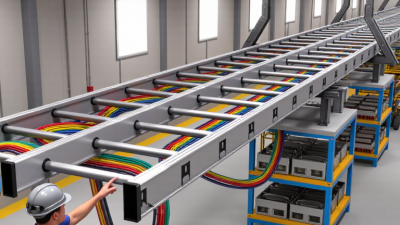
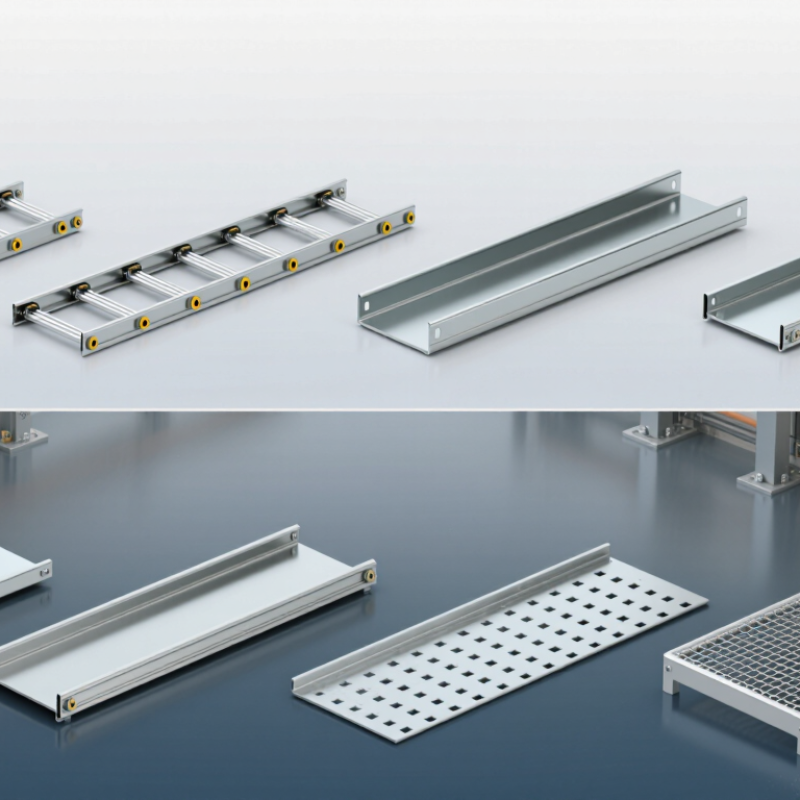
Ladder tray uses two side rails joined by rungs, leaving cables exposed to air and easy to inspect. It suits many power runs, especially where heat dissipation and long support spans matter. Check cable spacing and support loads; wide rung gaps may not support small or flexible cables well. A small detail, but it can cause sagging.
Perforated tray has a continuous base with openings for airflow and drainage. It offers more support than a ladder design while still allowing some ventilation.
Solid-bottom tray shields cables from falling dust and debris, but can hold heat or moisture if the installation lacks suitable ventilation and drainage. Trough tray has a channel-like profile with raised sides. It can provide a useful balance of support and coverage, though the exact form varies by supplier.
Ventilated tray uses slots or openings across its base to improve airflow while supporting cables along more of their length. Match the opening pattern to cable size, weight, and the site environment. Inspect edges, joints, and coating quality before installation. A quick visual check helps.
Tray selection also depends on span, fill, access, and future additions. It is easy to overfocus on the tray itself and overlook how bends, fittings, and support spacing affect the finished route. Verify those details against project requirements.
Wire-Mesh, Channel, Single-Rail, Center-Spline, and Raceway Tray Types
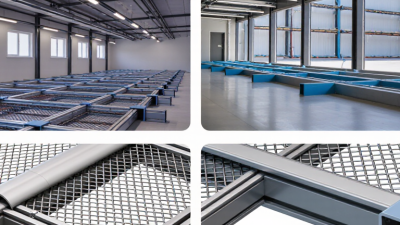
Wire-mesh trays suit dense installations where airflow and quick visual checks matter. Their open grid makes cable additions easier, though small cables may need extra support.
Channel trays offer a shallow, contained route for lighter runs and short branches. Check fill and load limits before installation. A neat fit can still become crowded.
Single-rail trays provide an accessible support path, but cable restraint and span ratings deserve close attention. Center-spline designs place a backbone through the middle, leaving cable routes accessible on both sides.
Raceway trays enclose conductors, helping shield them from dust or accidental contact. That protection reduces airflow, so heat and fill need careful review. Access matters.
Fortune Business Insights estimated the global cable tray market at about US$5.7 billion in 2023 and projected growth to roughly US$10.2 billion by 2032. That forecast signals expanding infrastructure demand, not a reason to oversize every installation.
Compare actual loads, cable diameters, supports, and site conditions; the “best” tray can change within one facility. I would verify the chosen system against applicable installation guidance, such as NEMA VE 2, and the manufacturer’s tested load data.
One detail is easy to miss: future access may matter more than today’s cable count.
How NEMA VE 1 Load Classes and Support Spans Guide Tray Sizing
Choosing a metal cable tray is not just a question of width or material. NEMA VE 1 load classes help buyers compare a tray’s tested load capacity at a defined support span. The class and span work together. A tray rated for one spacing may not carry the same load safely when supports are farther apart.
Start with the cable load, including a reasonable allowance for future additions. Then check the tray manufacturer’s load tables for the chosen NEMA class and support spacing. Keep the actual installation conditions in view: heavy cable bundles, vertical runs, bends, and uneven support points can change how loads reach the tray. Small details matter. A neat drawing may show supports every eight feet, while the site forces a longer gap around a pipe or doorway. That difference deserves a fresh check, not an optimistic guess.
Use consistent units when comparing load ratings, and confirm whether the stated figure is a working load or a test value. Also account for accessories and any concentrated loads, such as equipment mounted on the tray. Leave room for installation tolerances. Field layouts are rarely perfect, and support spacing can shift. If the load table does not match the actual span, ask a qualified engineer or the tray supplier to verify the selection before installation.
How ASTM A123/A123M and 304/316 Stainless Steel Guide Material Choice
For galvanized steel cable trays, ASTM A123/A123M provides a practical coating benchmark. It covers hot-dip galvanizing of fabricated steel products, including trays. For structural steel over 6 mm thick, its minimum average zinc coating thickness is 100 μm; thinner sections have different requirements. Verify the product category and steel thickness before comparing quotes. One number does not fit every tray.
Stainless steel shifts the decision from coating thickness to alloy and exposure. The Nickel Institute’s technical guidance identifies molybdenum as a key addition in Type 316, typically around 2–3%; Type 304 generally lacks this addition. That helps explain why 316 is often chosen for coastal, washdown, or chloride-exposed routes. It is not immune to corrosion. Salt deposits, crevices, and poor drainage still matter.
The stakes are real: NACE’s IMPACT study estimated global corrosion costs at US$2.5 trillion, or 3.4% of global GDP, using 2013 data. That figure is broad, not a cable-tray cost forecast. Small details matter. Specify the environment, fabrication method, and required finish, then check cut edges and fasteners for compatibility. ASTM A123/A123M suits many galvanized-steel applications, while 304 or 316 may fit harsher exposures. The shortcut is useful, but not perfect.
Top 10 Metal Cable Tray Types for Global Buyers? — How ASTM A123/A123M and 304/316 Stainless Steel Guide Material Choice
Common tray styles include ladder, ventilated trough, solid-bottom, wire-mesh, channel, single-rail, center-spine, cable runway, cable duct and covered tray. The chart compares specified alloy-composition ranges relevant to stainless-steel selection; values are percent by weight.
The ranges shown are typical specification limits for 304 and 316 stainless steel under ASTM A240/A240M. 316 includes 2–3% molybdenum, which helps improve resistance to chloride-related corrosion. ASTM A123/A123M covers hot-dip galvanized coatings on iron and steel products; it is relevant to galvanized carbon-steel trays, not stainless-steel chemistry. Confirm the applicable standard, environment and product specifications when choosing a tray.